
Education
AI Tutors Replacing or Supporting Teachers? (And Why I’m Still Torn About It)
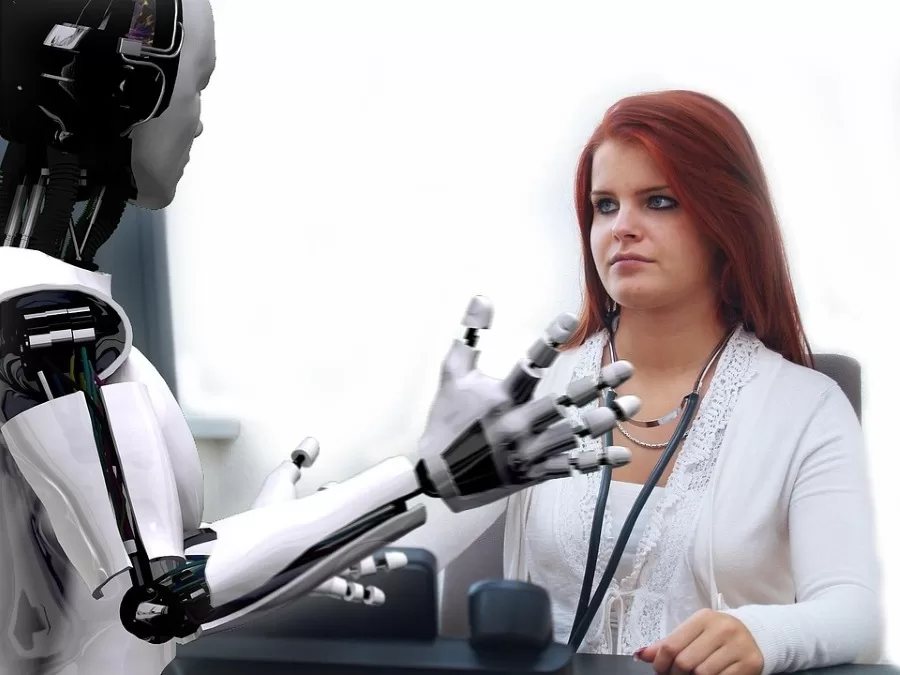
A while ago, I was sitting with my niece—she’s in 9th grade—trying to help her with algebra. She was polite about it, but let’s be real: I was fumbling. She quietly pulled out her iPad and said, “It’s okay, I’ll ask my tutor.”
Except… her tutor wasn’t a person.
It was this app, powered by AI, with a friendly name and voice. It broke down her math problem step by step, like some kind of teaching whisperer. I watched, mildly offended (but also kinda impressed).
That was the moment I thought:
Wait. Are AI tutors actually going to replace teachers?
Or are they just another cool tool, like calculators or Google Docs?
I haven’t stopped thinking about it since.
AI Tutors Are Getting Really Good
If you haven’t seen them in action, AI tutors aren’t just glorified search engines. They’re interactive. Patient. Sometimes weirdly intuitive. You ask a question and get a custom answer, not just a copy-pasted definition.
Some can explain concepts ten different ways. Others will quiz you, pause when you’re stuck, and even throw in encouragement like, “Nice try—here’s a hint!”
To be honest, it’s hard not to love how accessible they are. Whether you’re in a classroom, at home, or just too shy to ask your teacher a “dumb” question… AI is right there, ready to help.
But—(and there’s always a “but”)—is that enough?
Let’s Not Pretend Teaching Is Just Explaining Stuff
I know it’s tempting to think, “Well, if AI can explain calculus and grammar, why not let it take over?”
Here’s the problem with that line of thinking: Teaching isn’t just about giving answers.
The best teachers don’t just transfer knowledge. They connect with students. They know when to challenge you and when to back off. They notice when you’ve had a rough day and shift gears. They tell stories. They make boring stuff kind of fun.
An AI tutor might help you understand Shakespeare’s metaphors. But it won’t care that you hate school because you’re being bullied. It won’t look you in the eye and say, “You’re better than this grade.”
That kind of connection? Still very human.
Where AI Tutors Do Shine (Let’s Be Fair)
Now, I don’t want to throw AI under the bus. It’s honestly doing a lot of good.
Some students need repetition and instant feedback—AI does that beautifully. Others live in areas where teachers are overworked or classes are too big. For them, AI can provide something close to personal attention.
If anything, AI tutors seem to shine in moments where students just need practice or a safe space to mess up without judgment. Like, “Oh, I can try this equation again without a teacher sighing or another kid laughing at me.”
That’s powerful.
The Real Question: What’s the Endgame?
Okay, let’s zoom out for a second.
What worries me isn’t that AI tutors exist. It’s how they might be used.
I can already picture it—some budget-crunched school board looking at spreadsheets and saying, “We could save money by cutting staff and rolling out AI tutoring systems.”
And that’s where things get messy.
When you start replacing teachers to save money, not because it actually helps students, you lose something essential. It’s like choosing efficiency over empathy. Speed over substance.
The tech should be a support system, not a substitute.
A Realistic Scenario (That Actually Makes Sense)
Here’s a more balanced take:
Imagine a classroom with a teacher and a group of 25 students. The teacher is doing their thing—explaining, asking questions, checking for understanding. Meanwhile, some kids use AI tutors on their tablets for reinforcement.
The AI helps with extra practice, catches early mistakes, maybe even boosts confidence.
The teacher still leads the experience. The AI just fills in gaps.
Nobody gets replaced. Students get more personalized help. Teachers get to focus on teaching, not just grading papers or reviewing times tables for the 100th time.
It’s not a perfect system—but it feels healthier, right?
But… What About Equity?
Here’s something that’s bugged me: AI tutors only help if you have them.
What happens to kids without devices, fast internet, or a quiet place to study? What about schools that can’t afford the latest tech?
If AI becomes the standard and we don’t fix those access issues, we’re going to make the gap between students wider, not smaller.
So yeah, AI tutors might be helpful—but only if they’re available to everyone.
Otherwise, we’re just layering new tech on top of old problems.
An Awkward Truth: Some Teachers Do Get Replaced
And yeah, we should talk about it—because in some places, it’s already happening. Some online learning platforms are cutting human interaction entirely. You watch videos, do AI-graded quizzes, and get AI-generated feedback.
To be blunt: that model is cheaper. It scales better. And a lot of companies like that.
But I’m not convinced students do.
Without a teacher in the loop—someone to ask, “Why did you choose this answer?” or say, “Let’s talk about what confused you”—learning feels robotic. Impersonal.
If we’re not careful, we’ll end up with a generation of students who know facts but never got mentored.
So… AI Tutors: Are They Replacing or Supporting Teachers?
Honestly? Depends who’s in charge.
If school leaders and policymakers see teachers as essential and use AI to enhance their work—awesome.
But if they see teachers as expensive line items and AI as a cheaper workaround… we’re in trouble.
It’s not about whether AI can replace teachers. It’s whether we want it to.
And I really, truly hope we don’t.
A Quick Personal Story
I had a teacher in high school—Mr. R.—who taught history like it was a Netflix drama. I was a mediocre student, always distracted, but he pulled me aside one day and said, “You’ve got more in you than you think.”
That one sentence changed how I saw myself. I started trying harder. Eventually, I even enjoyed school.
No app would’ve done that.
Final Takeaway
AI tutors are incredible. I mean, seriously—they’re smarter (and faster) than any tutor I ever had growing up. But they’re not people.
They don’t believe in you. They don’t get excited when you figure something out. They don’t stay after class because they care.
So yeah, they can support teachers. And they probably should. But replace them?
Not if we care about more than just test scores.


Elon Musk: Business Leader Behind Tesla, SpaceX, and xAI
Quick Facts Field Details Full Name Elon Reeve Musk Born June 28, 1971 Birthplace Pretoria, South Africa Nationality South African,...


Best Places to Visit in Vietnam – Complete Travel Guide
Vietnam is one of the most rewarding destinations in Southeast Asia. It’s a country where emerald bays meet towering limestone...

Best iPhones to Buy in 2026: Top 7 Models Compared with Features, Prices, and Expert Advice
Choosing the best iPhone to buy in 2026 is not simply about picking the newest release. With several generations still...


Why Gold and Silver Are Rising: What’s Driving Precious Metals’ Strong Momentum
Gold and silver are gaining strength as investors seek safe-haven assets amid global economic and geopolitical uncertainty. Silver is outperforming...


Best Hospitals in India for Heart Surgery – Top Cardiac Care Centers in 2026
Heart disease is a significant health challenge in India and worldwide. With rising incidence of coronary artery disease, heart attacks,...


Best Airline Loyalty Programs in 2026: Which Frequent Flyer Programs Are Really Worth It?
Spend enough time in airports and you’ll notice something interesting. Some travelers move effortlessly — priority check-in, lounge access, early...


Best Medical Schools in the US in 2026: A Complete and Easy Guide for Future Doctors
Choosing from the best medical schools in the US is one of the most important decisions in a future doctor’s...


Cars Below 15 Lakhs in India: The Complete Buyer’s Guide for 2026
The Indian automobile market in 2026 has entered a value-driven era. Buyers no longer need to exceed their budget to...


Cuisine of the Middle East: Flavours That Carry History on Every Plate
There’s a reason people speak of the cuisine of the Middle East with a certain reverence. It isn’t simply about...

Credit Card With Benefits Best: How to Maximize Value
Credit cards have become part of everyday life — from paying utility bills to booking travel online. But today, a...