
Auto
The Future of Budget EVs: What ₹10 Lakh Can Get You Today
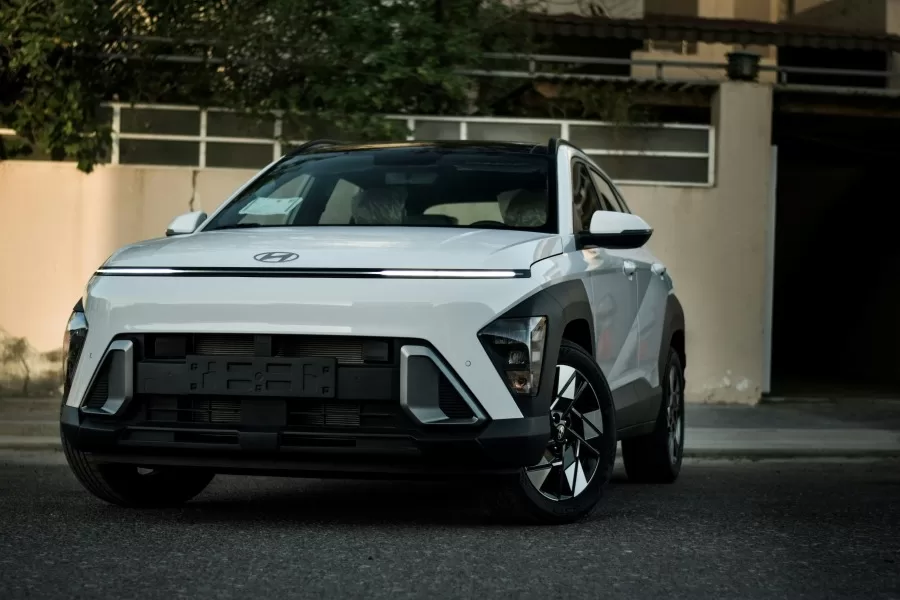
Let’s be honest — for the longest time, electric cars felt like a luxury dream in India. Something rich folks in California or Europe were flaunting, while the rest of us stuck to our trusty petrol hatchbacks. But things have shifted, and in 2025, it’s suddenly possible to walk into a dealership in India with ₹10 lakh and walk out with an EV that actually works for daily life.
That’s not just a small step forward. It’s a massive signal about where our car market is heading. So, let’s unpack what “The Future of Budget EVs: What ₹10 Lakh Can Get You Today” really looks like — not in a brochure-speak way, but in a “should I actually buy one?” way.
Why ₹10 Lakh Matters So Much
There’s something symbolic about the ₹10 lakh price tag. For decades, this bracket has been the playground of India’s most popular cars — Maruti Swifts, Hyundai i20s, compact SUVs. It’s the price ceiling for many middle-class families who want a decent car without breaking the bank.
So when EVs dip into this bracket, it’s like they’re finally ready to play in the big leagues. They’re not niche anymore. They’re competing head-to-head with the very cars that dominate our roads. And honestly, that’s the first time EVs have felt real for everyday Indian buyers.
What ₹10 Lakh Actually Gets You in 2025
Now, if you’re expecting a long list of EVs under ₹10 lakh, let me stop you right there. The options are still limited — painfully limited, in fact. But the few choices we do have are interesting because they tell us where things are headed.
Tata Tiago EV
The current budget king. It’s a familiar car, just electrified. That’s comforting, because you don’t feel like you’re driving an alien spaceship.
- Range: ~250 km in real-world conditions (give or take depending on AC, traffic, and how heavy your foot is).
- Why it matters: It sets the tone. Tata is basically saying, “You don’t need to spend ₹20 lakh to join the EV club.”
MG Comet EV
This one’s a wildcard. At first glance, it looks like a cube on wheels. Small, quirky, almost toy-like. But spend some time with it, and you realize it’s a clever city car.
- Range: Around 230 km ARAI-certified, but closer to 180–200 km in real-world driving.
- Why it matters: For people who only drive short distances in urban chaos, it’s shockingly practical. Plus, it has that “miniature iPhone on wheels” vibe.
The “Coming Soon” Crowd
There’s a lot of buzz about new players. Maruti Suzuki has been testing its eVX-based EV, and Hyundai has confirmed plans for a more affordable electric model. But here’s the truth: neither is available in showrooms today. At best, we might see them in late 2025 or 2026. So for now, Tata and MG are carrying the torch in the under-₹10 lakh space.
The Practicality Question
Okay, so you’ve got ₹10 lakh and you’re tempted. But do these cars actually make sense in real life, or are they just experiments?
Here’s the honest answer: it depends on your lifestyle.
- If you’re a city driver: Daily office commute, school drops, grocery runs — budget EVs make perfect sense. You’ll barely notice the difference from a petrol hatch, except for the fact that your wallet feels heavier from fuel savings.
- If you’re a highway warrior: These cars are not built for you yet. A 200 km range on highways feels too limiting. Stopping every few hours to hunt for a charger isn’t exactly a road-trip dream.
I like to think of budget EVs as “90% cars.” For 90% of your driving needs, they’re fantastic. It’s just the remaining 10% — the long drives, the unpredictable journeys — where they still struggle.
Charging: Still the Elephant in the Room
We can’t talk about EVs without talking about charging. Honestly, this is the biggest make-or-break factor.
- Big cities: Infrastructure is growing. Apps now show nearby chargers, malls have charging points, and even some petrol pumps are adapting.
- Smaller towns: Still shaky. If you live in Tier 2 or Tier 3 cities, owning an EV can feel like swimming without a lifeboat.
Then there’s the apartment problem. If your housing society hasn’t approved charging setups, things get complicated. But for people with home garages? Overnight slow charging actually works out just fine.
This is why the future of budget EVs isn’t just about the cars — it’s about the invisible network that powers them.
Do They Really Save You Money?
This is where budget EVs get interesting. On day one, they’re more expensive than petrol counterparts. But long-term? The numbers can swing in your favor.
- A full home charge might cost you ₹200–₹250. That’s enough for ~200 km. Try covering the same distance with petrol and you’ll easily burn through ₹800–₹1000.
- Maintenance is lighter too. No oil changes, fewer moving parts, less wear-and-tear.
The big fear, of course, is battery replacement. Nobody wants to shell out ₹3–4 lakh after a few years. But with 7–8 year warranties now standard, at least there’s some peace of mind.
The Lifestyle Factor Nobody Talks About
Money aside, there’s something refreshing about driving an EV. The silence when you start. The instant torque when you tap the pedal. The fact that you’re not queuing up at petrol pumps every week.
If you’ve ever sat in traffic with your engine idling, you know the low-level irritation of hearing it hum and guzzle fuel. An EV doesn’t do that. It just sits quietly, waiting. It changes how you feel about commuting — less noisy, less stressful.
And let’s not pretend the “cool” factor doesn’t matter. Driving an EV in 2025 still feels like being part of the future, even if it’s a modest Tiago or Comet.
What ₹10 Lakh Means for the Future
The arrival of EVs in this price range isn’t just about today’s options — it’s about what’s coming.
- More competition: Maruti, Hyundai, Mahindra… everyone’s going to want a slice of this pie. Prices will fall, features will improve.
- Charging growth: By 2030, finding a charging point could be as routine as spotting a petrol bunk.
- Used EV market: This is going to explode. Once today’s EVs hit second-hand lots, we might see prices dipping into the ₹5–6 lakh range. That’s when the real mass adoption starts.
- New habits: Instead of “filling the tank” once a week, people will get used to “topping up” every night. It’s a subtle but important shift in how we think about mobility.
Imagine This: Your Life With a Budget EV
Picture yourself buying a Tata Tiago EV this year. You install a simple home charger. Every night, you plug it in like a smartphone. Every morning, it’s ready to go.
Your office commute, school runs, and weekend errands fit comfortably within its range. Most days, you don’t even think about charging — it’s just part of your routine.
Once in a while, you want to visit family 300 km away. That’s when you either plan charging stops carefully or simply rent a petrol car for the weekend. Is it inconvenient? A little. But is it a dealbreaker? Not really. For the money you’re saving and the comfort you’re gaining, it feels like a trade-off worth making.
Final Reflection
The future of budget EVs in India is no longer a question of “if.” It’s already unfolding. For ₹10 lakh, you can buy a car today that’s not just a novelty, but a daily driver. Sure, they’re not perfect — the range is modest, charging networks are uneven, and resale values are untested. But they’re no longer out of reach.
It reminds me of the early smartphone days. In 2010, a lot of people mocked those first devices: poor battery life, clunky software, expensive. But fast forward, and now we can’t imagine life without them.
That’s exactly where budget EVs are right now — early, imperfect, but inevitable. And if you’re sitting on ₹10 lakh wondering whether to take the plunge, you’re not just buying a car. You’re buying into the future of how India will move.
And honestly? That’s kind of exciting.


Elon Musk: Business Leader Behind Tesla, SpaceX, and xAI
Quick Facts Field Details Full Name Elon Reeve Musk Born June 28, 1971 Birthplace Pretoria, South Africa Nationality South African,...


Best Places to Visit in Vietnam – Complete Travel Guide
Vietnam is one of the most rewarding destinations in Southeast Asia. It’s a country where emerald bays meet towering limestone...


Best iPhones to Buy in 2026: Top 7 Models Compared with Features, Prices, and Expert Advice
Choosing the best iPhone to buy in 2026 is not simply about picking the newest release. With several generations still...


Why Gold and Silver Are Rising: What’s Driving Precious Metals’ Strong Momentum
Gold and silver are gaining strength as investors seek safe-haven assets amid global economic and geopolitical uncertainty. Silver is outperforming...


Best Hospitals in India for Heart Surgery – Top Cardiac Care Centers in 2026
Heart disease is a significant health challenge in India and worldwide. With rising incidence of coronary artery disease, heart attacks,...


Best Airline Loyalty Programs in 2026: Which Frequent Flyer Programs Are Really Worth It?
Spend enough time in airports and you’ll notice something interesting. Some travelers move effortlessly — priority check-in, lounge access, early...


Best Medical Schools in the US in 2026: A Complete and Easy Guide for Future Doctors
Choosing from the best medical schools in the US is one of the most important decisions in a future doctor’s...

Cars Below 15 Lakhs in India: The Complete Buyer’s Guide for 2026
The Indian automobile market in 2026 has entered a value-driven era. Buyers no longer need to exceed their budget to...


Cuisine of the Middle East: Flavours That Carry History on Every Plate
There’s a reason people speak of the cuisine of the Middle East with a certain reverence. It isn’t simply about...


Credit Card With Benefits Best: How to Maximize Value
Credit cards have become part of everyday life — from paying utility bills to booking travel online. But today, a...