
Technology
Cameras That Deliver the Best Photo Quality in This Segment

I’ll admit it—I’ve spent way too many hours staring at phone photos on my screen, zooming in on leaves, clouds, and even my own breakfast. Not because I’m a tech snob, but because at this point, “good enough” cameras just don’t cut it anymore. Somewhere between ₹15,000–₹25,000, there are phones that can actually surprise you. Phones that make you stop and go, “Wait… I didn’t expect this from a mid-ranger.”
If you’ve ever tried capturing your dog yawning, a sunset spilling pink across the sky, or the chaos of a street market, you’ll understand why I get picky. Some phones nail it. Others… well, they make you sigh. This post is my take on cameras that deliver the best photo quality in this segment, not by specs alone, but by how they actually perform in the wild.
Mid-Range Cameras Are No Longer “Just Okay”
Remember when mid-range meant blurry, dull images unless you had perfect light? Yeah, those days are fading fast. Today, companies like OnePlus, iQOO, Samsung, and Xiaomi are sneaking features that were once flagship-only into phones that cost a fraction.
But not all mid-range cameras are created equal. Some boast 108MP sensors and look great on paper but falter in tricky lighting. Others quietly outperform their specs because of clever software. And honestly, I’ve been fooled by flashy numbers more than once.
iQOO Z7: A Mixed Bag That Surprises
The iQOO Z7 has a 64MP OIS main camera, and in daylight, it can really impress. Details are sharp, colors pop, and dynamic range keeps shadows from swallowing the scene. But here’s the thing: low-light is tricky. I got some lovely café shots under warm light, but in very dark conditions, noise creeps in. Its small pixel size and mid-range processing mean it doesn’t deliver flagship-level noise control at night, so don’t expect miracle street photography under minimal lighting.
Still, for its price, it punches above its weight. If you’re okay with a few quirks after sunset, this phone can be a quiet hero in your pocket.
Samsung Galaxy A34: Colors That Feel Right
Samsung’s mid-rangers have a certain signature—vivid colors, slightly boosted contrast, and a knack for pleasing skin tones. The 48MP main sensor on the A34 handles most scenarios well. In bright sunlight, faces stay recognizable, not washed out. Shadows? Managed.
Its 8MP ultra-wide is fine for cityscapes or group shots outdoors but struggles when light fades. That’s no surprise—small, budget-friendly sensors can only do so much. In everyday life, though, the Galaxy A34 can produce photos that look lively straight from the camera. For casual social media posts or family photos, it’s dependable.
OnePlus Nord CE 3 Lite: The Daylight Beast
At first glance, the Nord CE 3 Lite’s 108MP main camera made me roll my eyes. Marketing hype? Probably. But a weekend of testing changed my mind. In daylight, details are surprisingly crisp. Zoom in on leaves, textures, or even tiny wall cracks—you’ll notice things you’d miss otherwise.
Night photography? It’s not perfect. Noise shows up, and night mode sometimes blurs details. But for most daytime shots, food, streets, or casual portraits, it delivers more than I expected.
Realme Narzo 60x: Simple, Reliable, and Affordable
Here’s the deal: the Narzo 60x keeps it simple. 50MP main camera, no OIS, and no ultra-wide lens—just a 2MP depth sensor. That means it won’t win any low-light awards, and zoomed-in shots will disappoint.
But during the day? It’s surprisingly solid. Colors feel natural enough, and portrait mode usually keeps the subject reasonably separated from the background. Not flashy, but consistent. If you want a dependable camera that just works without fuss, this one’s worth considering.
Redmi Note 12 Pro: The All-Rounder
Redmi’s Note 12 Pro might just be the easiest phone to recommend. Its 50MP Sony IMX766 sensor with OIS is a workhorse. Dynamic range is strong, bright skies don’t blow out, and shadows hold some detail. Night mode has improved from previous models, though noise can appear, especially on the ultra-wide lens or in very dim settings.
A note of caution: some regions have different variants. The global model uses the IMX766 with OIS, but check your version before assuming exact performance. Still, for most users, it’s a versatile, reliable camera that feels like it belongs in a pricier phone.
What Actually Makes These Cameras Shine
Here’s the secret: megapixels aren’t everything. Software makes or breaks the experience. HDR, computational photography, noise reduction, color processing—these matter far more than a high MP number. That’s why a Nord CE 3 Lite can sometimes outperform a “spec monster” in tricky light, or why Galaxy A34 shots look pleasing without touching a slider.
Some Tips From My (Painful) Experience
Even the best mid-range camera can look mediocre if you forget the basics:
- Clean the lens. Seriously, just wiping off a fingerprint can save a photo.
- Tap to focus. Don’t trust auto-focus blindly.
- Natural light is your friend. Indoors near a window is often better than night mode.
- Step closer, don’t zoom digitally. Cropping later usually beats digital zoom.
Little habits make a huge difference. Trust me, I learned this the hard way.
Choosing the Right Camera for You
Here’s my take if you’re buying today:
- For bright, vibrant colors: Galaxy A34.
- For detail in daylight shots: Nord CE 3 Lite.
- For simple, reliable shots: Narzo 60x.
- For all-round versatility: Redmi Note 12 Pro.
- For sharp daylight with some quirks: iQOO Z7.
Perfect? None of them. But each delivers photos that make you stop and appreciate what your phone can do. That’s what matters.
A Little Reflection
It’s kind of amazing how far mid-range cameras have come. A phone costing a fraction of flagship prices can now capture moments better than phones that cost double just five years ago. Your next sunset, street festival, or family gathering doesn’t need a DSLR—just one of these cameras and a little curiosity.
In the end, cameras that deliver the best photo quality in this segment aren’t just about specs. They’re about how they make you feel when you tap the shutter. The ones I’ve listed won’t be perfect in every scenario, but they’ll get you closer than you’d expect—and that’s what makes a mid-range phone feel like magic.


Elon Musk: Business Leader Behind Tesla, SpaceX, and xAI
Quick Facts Field Details Full Name Elon Reeve Musk Born June 28, 1971 Birthplace Pretoria, South Africa Nationality South African,...


Best Places to Visit in Vietnam – Complete Travel Guide
Vietnam is one of the most rewarding destinations in Southeast Asia. It’s a country where emerald bays meet towering limestone...
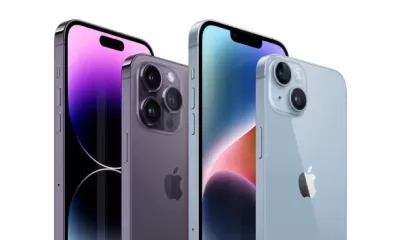

Best iPhones to Buy in 2026: Top 7 Models Compared with Features, Prices, and Expert Advice
Choosing the best iPhone to buy in 2026 is not simply about picking the newest release. With several generations still...


Why Gold and Silver Are Rising: What’s Driving Precious Metals’ Strong Momentum
Gold and silver are gaining strength as investors seek safe-haven assets amid global economic and geopolitical uncertainty. Silver is outperforming...


Best Hospitals in India for Heart Surgery – Top Cardiac Care Centers in 2026
Heart disease is a significant health challenge in India and worldwide. With rising incidence of coronary artery disease, heart attacks,...


Best Airline Loyalty Programs in 2026: Which Frequent Flyer Programs Are Really Worth It?
Spend enough time in airports and you’ll notice something interesting. Some travelers move effortlessly — priority check-in, lounge access, early...


Best Medical Schools in the US in 2026: A Complete and Easy Guide for Future Doctors
Choosing from the best medical schools in the US is one of the most important decisions in a future doctor’s...


Cars Below 15 Lakhs in India: The Complete Buyer’s Guide for 2026
The Indian automobile market in 2026 has entered a value-driven era. Buyers no longer need to exceed their budget to...


Cuisine of the Middle East: Flavours That Carry History on Every Plate
There’s a reason people speak of the cuisine of the Middle East with a certain reverence. It isn’t simply about...


Credit Card With Benefits Best: How to Maximize Value
Credit cards have become part of everyday life — from paying utility bills to booking travel online. But today, a...