
Food and Beverage
Cuisine of the Middle East: Flavours That Carry History on Every Plate
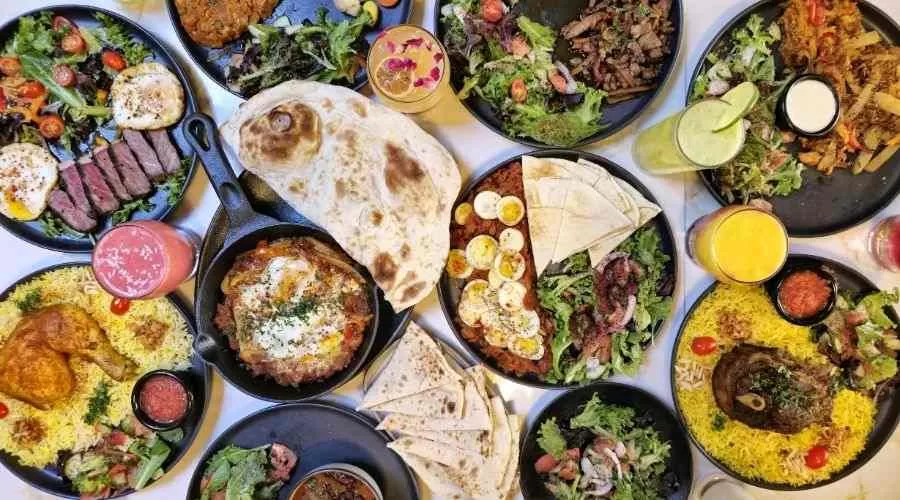
There’s a reason people speak of the cuisine of the Middle East with a certain reverence. It isn’t simply about food. It’s about memory, generosity, and a way of welcoming the world to the table. In homes from Beirut to Muscat, from Istanbul to Tehran, cooking is not rushed. It is practiced, inherited, and shared — often with stories simmering alongside the pots.
The cuisine of the Middle East has traveled through centuries, across deserts and seas, carried by traders, travelers, and families. Today, it stands as one of the most influential culinary traditions on the planet. Yet its true beauty lies not only in spices or recipes, but in how food binds people together.
Let’s step into that world—not as tourists, but as guests.
Where It All Began
Long before modern kitchens, the lands of the Middle East were shaping how humans ate. Wheat was first domesticated here. Flatbreads were baked on hot stones. Clay pots simmered stews for hours. Early civilisations along the Tigris, Euphrates, and Nile laid the groundwork for what would become the cuisine of the Middle East.
As empires rose and fell, kitchens evolved. Persian courts introduced fragrant rice and herb stews. Ottoman palaces refined roasting and pastry techniques. Arab spice traders connected India, Africa, and Europe through bustling marketplaces. Every era left something behind — a spice, a method, a habit — folded into today’s plates.
Religion, too, shaped eating traditions. Islamic halal practices guided meat preparation. Jewish communities contributed preservation and holiday dishes. Christian Middle Eastern households added their own regional comforts. The result is a cuisine deeply respectful of ritual and hospitality.
Geography on a Plate
The cuisine of the Middle East mirrors its landscape.
On Mediterranean coasts, olive trees thrive, citrus perfumes the air, and fish lands fresh at markets. In desert interiors, dates, dried grains, and slow-cooked meats sustain life. Fertile valleys offer vegetables, dairy, and rice. Mountain villages gather wild herbs, nuts, and honey.
That’s why a meal in Lebanon feels different from one in Saudi Arabia — yet both belong unmistakably to the cuisine of the Middle East.
Pantry Staples That Define the Cuisine
Some ingredients appear so often that they form the heartbeat of the cuisine of the Middle East.
Bread: Flatbread is served at every meal. It scoops dips, wraps fillings, and replaces cutlery. No bread, no meal.
Grains: Rice, bulgur, and couscous form the base of countless dishes, from family dinners to wedding feasts.
Legumes: Chickpeas, lentils, and fava beans provide everyday nourishment. Hummus and falafel are only the beginning.
Olive oil: Especially in the Levant, olive oil is poured generously — on salads, breads, and cooked dishes.
Dairy: Yogurt, labneh, and soft cheeses add cooling balance to spiced foods.
Herbs and spices: Parsley, mint, dill, cumin, cardamom, saffron, cinnamon, and coriander create layers of aroma. Spice blends like za’atar and baharat are kitchen signatures passed through generations.
Fruits and nuts: Dates, figs, pomegranates, pistachios, and almonds bring sweetness and texture, often appearing in both savoury and dessert recipes.
Together, these elements give the cuisine of the Middle East its instantly recognizable soul.
Regional Personalities Within One Cuisine
Though united by history, the cuisine of the Middle East has many distinct voices.
The Levant
Lebanese, Syrian, Jordanian, and Palestinian kitchens focus on freshness. Think herb salads, lemony dressings, olive oil, mezze spreads, and grilled meats. Meals start with small shared plates and end with mint tea.
The Gulf
In Saudi Arabia, UAE, Kuwait, Qatar, and Oman, rice and slow-cooked meats take center stage. Dried lime, cardamom, and saffron scent the air. Dates appear at every gathering.
Turkey
Turkish cooking bridges Europe and Asia. Kebabs, savoury pies, yoghurt sauces, and syrup-soaked desserts reflect Ottoman sophistication and street-food energy.
Persia (Iran)
Persian cuisine is poetic. Rice crowned with saffron, stews balanced with sweet and sour notes, herbs folded generously into every dish, and pomegranate glazes that shine like jewels.
Each region speaks a different dialect of the cuisine of the Middle East, yet all share the same culinary language.
Dishes That Became Global Icons
Some creations of the cuisine of the Middle East have crossed every border.
Hummus — smooth, nutty, comforting.
Falafel — crisp outside, tender inside.
Shawarma — slow-roasted meat shaved into warm bread.
Kebabs — smoky and spice-marinated.
Tabbouleh — a parsley salad bright with lemon.
Fattoush — crunchy bread, fresh vegetables, tangy sumac.
Kabsa and mandi — Gulf rice feasts served on grand platters.
Dolma — vegetables stuffed patiently by hand.
Baklava and kunafa — sweet finales soaked in syrup.
These dishes are not trends. They are traditions carried forward.
The Heart of Hospitality
To understand the cuisine of the Middle East, you must understand hospitality. Guests are never allowed to leave hungry. Food is offered first, questions later.
Meals are shared from large platters. Hands reach together. Bread passes around the table. Coffee and tea are poured repeatedly. Refusing food is considered impolite — a sign that generosity has not been accepted.
In weddings, holidays, and religious celebrations, cooking becomes an act of love measured in hours, not minutes.
A Naturally Healthy Tradition
Long before nutrition science existed, the cuisine of the Middle East had already perfected balance.
Vegetables appear in abundance. Legumes provide daily protein. Olive oil replaces processed fats. Spices aid digestion. Grilled meats keep dishes light. Sugary foods are saved for special moments, not everyday consumption.
This is why Mediterranean and Middle Eastern diets are often praised for supporting heart health and longevity. It is a cuisine that satisfies without excess.
From Local Kitchens to Global Streets
Over the past two decades, the cuisine of the Middle East has stepped onto the world stage. Hummus bars, shawarma trucks, falafel stands, and Middle Eastern bakeries now appear in cities everywhere.
Ingredients once rare — tahini, sumac, za’atar, labneh — now sit on supermarket shelves across continents. Food writers and chefs continue introducing home-style Middle Eastern recipes to global audiences.
Yet at its core, the cuisine remains rooted in home kitchens, where mothers and grandmothers still teach by taste, not by measurement.
Traditional Techniques That Keep Flavor Alive
Thyme is an ingredient in the cuisine of the Middle East.
Stews simmer slowly. Rice steams patiently. Meat marinates overnight. Dough rests before baking. Syrup cools before pouring. Stuffed vegetables are rolled one by one.
These practices preserve tenderness, aroma, and depth — things no shortcut can replace.
Food as Meaning
In Middle Eastern culture, food is symbolic.
Dates represent blessing and prosperity.
Bread represents life.
Sweet desserts mark celebration.
Coffee represents welcome.
During Ramadan, families gather at sunset to break the fast together. At weddings, massive trays of rice and meat signify abundance. At funerals, food comforts grief.
The cuisine of the Middle East speaks the language of emotion.
Tradition Meets Modern Creativity
A new generation of chefs is reimagining Middle Eastern classics. Vegan mezze spreads, contemporary plating, fusion desserts, and upscale interpretations of street food now appear in modern restaurants.
Yet even in innovation, respect for tradition remains strong. The goal is not to replace heritage — but to carry it forward.
Why This Cuisine Still Matters
In a world of fast meals and hurried lives, the cuisine of the Middle East reminds us to slow down. To sit together. To share. To talk while eating. To honour food as something meaningful.
It connects past and present, village and city, family and stranger.
Final Thoughts
The cuisine of the Middle East is not only about flavour. It is about belonging. It is bread broken together, tea poured again, and stories told between bites.
From ancient fields of wheat to modern global tables, this cuisine has endured because it feeds more than hunger. It feeds connection.
And that is why, no matter where you taste it, the cuisine of the Middle East always feels like coming home.
Frequently Asked Questions (FAQs)
1. What defines the cuisine of the Middle East?
The cuisine of the Middle East is defined by its use of fresh herbs, aromatic spices, olive oil, grains, legumes, and slow-cooking techniques. It also emphasises shared meals, hospitality, and recipes passed down through generations.
2. Which countries are included in Middle Eastern cuisine?
Middle Eastern cuisine includes food traditions from Lebanon, Syria, Jordan, Palestine, Saudi Arabia, the UAE, Qatar, Kuwait, Oman, Turkey, Iran, and neighbouring regions with shared culinary heritage.
3. What are the most popular Middle Eastern dishes?
Popular dishes include hummus, falafel, shawarma, kebabs, tabbouleh, fattoush, kabsa, mandi, dolma, baklava, and kunafa.
4. Is the cuisine of the Middle East healthy?
Yes. The cuisine of the Middle East is considered healthy because it uses olive oil, vegetables, legumes, grilled meats, fresh herbs, and minimal processed foods. It is often linked to heart health and balanced nutrition.
5. What role does bread play in Middle Eastern cuisine?
Bread is central to the cuisine of the Middle East. Flatbreads like pita and khubz are served with almost every meal and are often used to scoop food instead of utensils.
6. What spices are commonly used in Middle Eastern cooking?
Common spices include cumin, coriander, cardamom, cinnamon, saffron, sumac, and dried lime. Popular spice blends include za’atar and baharat.
7. Why is hospitality important in Middle Eastern food culture?
Hospitality is a core value in the cuisine of the Middle East. Serving food to guests is a sign of respect, generosity, and cultural pride. Meals are meant to be shared and enjoyed together.
8. What is the difference between Levantine and Gulf cuisine?
Levantine cuisine focuses on fresh herbs, olive oil, salads, and mezze dishes. Gulf cuisine emphasises spiced rice, slow-cooked meats, dates, and dried lime flavours.
9. Has Middle Eastern cuisine become popular worldwide?
Yes. Middle Eastern food has gained global popularity. Dishes like hummus, falafel, and shawarma are now common worldwide, and Middle Eastern ingredients are widely available in supermarkets.
10. How is modern Middle Eastern cuisine evolving?
Modern chefs are reinterpreting traditional recipes with creative plating, vegan options, fusion flavours, and fine-dining concepts while preserving authentic techniques and ingredients.


Elon Musk: Business Leader Behind Tesla, SpaceX, and xAI
Quick Facts Field Details Full Name Elon Reeve Musk Born June 28, 1971 Birthplace Pretoria, South Africa Nationality South African,...


Best Places to Visit in Vietnam – Complete Travel Guide
Vietnam is one of the most rewarding destinations in Southeast Asia. It’s a country where emerald bays meet towering limestone...


Best iPhones to Buy in 2026: Top 7 Models Compared with Features, Prices, and Expert Advice
Choosing the best iPhone to buy in 2026 is not simply about picking the newest release. With several generations still...


Why Gold and Silver Are Rising: What’s Driving Precious Metals’ Strong Momentum
Gold and silver are gaining strength as investors seek safe-haven assets amid global economic and geopolitical uncertainty. Silver is outperforming...


Best Hospitals in India for Heart Surgery – Top Cardiac Care Centers in 2026
Heart disease is a significant health challenge in India and worldwide. With rising incidence of coronary artery disease, heart attacks,...


Best Airline Loyalty Programs in 2026: Which Frequent Flyer Programs Are Really Worth It?
Spend enough time in airports and you’ll notice something interesting. Some travelers move effortlessly — priority check-in, lounge access, early...


Best Medical Schools in the US in 2026: A Complete and Easy Guide for Future Doctors
Choosing from the best medical schools in the US is one of the most important decisions in a future doctor’s...


Cars Below 15 Lakhs in India: The Complete Buyer’s Guide for 2026
The Indian automobile market in 2026 has entered a value-driven era. Buyers no longer need to exceed their budget to...

Cuisine of the Middle East: Flavours That Carry History on Every Plate
There’s a reason people speak of the cuisine of the Middle East with a certain reverence. It isn’t simply about...


Credit Card With Benefits Best: How to Maximize Value
Credit cards have become part of everyday life — from paying utility bills to booking travel online. But today, a...