
Technology
Designing EdTech for Gen Alpha: It’s More Than Just Making Things Fun

You know, sometimes I watch my nephew—he’s six—zoom through an app on his iPad faster than I can navigate my banking app. And he does it while half-watching cartoons in the background. The scary part? That’s not even multitasking for him. It’s just… life.
That’s Gen Alpha for you. The kids born somewhere around 2010 to now. They’re growing up surrounded by screens, apps, and instant everything. I’ve seen toddlers ask Siri to play their favorite songs and get genuinely annoyed when a TV doesn’t respond to voice commands. That’s the level of tech-familiar we’re talking about.
So when we talk about designing edtech for Gen Alpha, we’ve got to stop pretending they’re just like previous generations—but smaller. They’re not. These kids are wired differently (sometimes literally, if you count their connection to devices).
These Kids Don’t Just Use Tech — It’s Part of Their World
Back when I was in school, using a computer felt like a special event. There was a specific class for it—once a week if we were lucky. Fast forward to now, and Gen Alpha is learning their ABCs with touchscreens before they even start kindergarten.
And that’s kind of the point, right? They’re not learning how to use technology. They’re just… living with it.
That means if we’re designing anything for them—especially something that’s supposed to teach—we can’t just digitize old worksheets and call it innovation. They’ll see right through that. And they’ll get bored fast.
Edtech has to meet them where they are, not where we wish they were.
Design Isn’t Just About Looking Cool
Let me say something that might sound obvious, but apparently still isn’t: if your edtech product looks like a spreadsheet from 2007, Gen Alpha will not care.
These kids are used to games like Minecraft, videos from MrBeast, and interfaces that respond to them in milliseconds. You give them clunky design or overloaded menus? They’re done.
But it’s not just about being flashy or colorful. It’s about clarity. Clean design. A smooth experience that doesn’t confuse them—or worse, make them feel stupid.
I’ve seen kids give up on learning tools not because they couldn’t understand the content, but because they couldn’t figure out where to click.
That’s not a learning problem. That’s a design fail.
They Don’t Read Walls of Text — And That’s Okay
I know, I know. We all want our kids to love reading. But let’s be real—Gen Alpha processes things differently. They’ve grown up on YouTube, voice assistants, and video calls.
So when you throw a paragraph-heavy lesson at them, it’s like asking them to decode ancient scrolls.
Instead, we need to give them content in ways they already consume it:
- Short explainer videos
- Interactive lessons that talk to them
- Challenges that let them do something, not just watch
Does that mean giving up on reading altogether? Of course not. But maybe it means making space for audio options, visual learning, and hands-on moments. We’ve got the tech. We might as well use it.
Learning Should Feel Like Play (But Still Teach Something)
You ever notice how kids can play a game for hours, but won’t spend ten minutes doing homework? That’s not laziness—it’s engagement.
So the question is: how do we build tools that make learning feel less like a chore?
It’s not about tricking kids with games. It’s about designing experiences that feel rewarding. Maybe they unlock a new level by finishing a math challenge. Maybe they build something in a digital sandbox that teaches them how circuits work.
The possibilities are there. But it only works when the fun doesn’t get in the way of the learning—and the learning doesn’t kill the fun.
They’re Not Just Brains. They’re Humans With Big Feelings.
This one’s big. Gen Alpha might be sharp and screen-savvy, but emotionally? They’re still kids. And a lot of them are growing up during some weird, stressful times.
Pandemics. Climate anxiety. Constant online comparison. It adds up.
So when we build edtech, we can’t forget the human side. Does the tool encourage them? Does it make them feel safe to mess up? Does it offer a break when they look overwhelmed?
Even simple touches help. A gentle “Hey, let’s try that again together” feels a lot better than a cold red X.
We’ve got to design for the whole kid—not just the part that solves math problems.
Let’s Not Forget About Accessibility
Quick story: I was working with a nonprofit trying to get tablets into remote schools. Great idea, but half the apps they were using needed internet to function. You see the issue?
Designing for Gen Alpha also means designing for all of Gen Alpha—not just the ones in big cities with the latest devices and high-speed Wi-Fi.
That means:
- Offline access
- Simple interfaces
- Options for kids who learn differently
- Voice controls or text-to-speech for non-readers
Edtech isn’t inclusive until it works for the kid with dyslexia and the one with patchy internet. Anything less, and we’re leaving someone behind.
Ask Kids What They Think—Seriously
I once watched a group of 8-year-olds redesign a flashcard app. They added stickers, sound effects, and a reward system with pretend pets. Guess what? Their version worked better than the original.
It sounds so obvious, but a lot of edtech is built without ever asking kids what they want. Or need. Or even how they feel about the experience.
But if we take the time to involve them in the process—to test ideas, share feedback, maybe even co-create—we build better tools. Period.
They’ll tell you what’s confusing. They’ll tell you what’s boring. And they’ll definitely tell you if something sucks.
It’s honest, and it’s valuable.
Don’t Design Just for the Kids—Support the Adults Too
Behind every Gen Alpha learner is an exhausted teacher or a parent trying to keep up.
If your edtech product is impossible to set up, track, or explain, it’s going to sit in the digital dustbin.
So yes, make things fun and cool for the kids—but also make them workable for the people supporting those kids. Give teachers easy controls. Give parents simple dashboards. Don’t assume everyone’s tech-fluent.
Because when the adults feel lost, the kids lose too.
Final Thought: It’s Not About “Tech for Kids.” It’s About Respect
At the end of the day, designing edtech for Gen Alpha isn’t about trends, or gamification, or whatever new buzzword is floating around. It’s about respect.
Respect for how they learn.
Respect for how they feel.
And respect for the world they’re stepping into.
We don’t need perfect tools. We need thoughtful ones. Ones that meet them where they are—and grow with them.
If we can do that? We’re not just making apps.
We’re building bridges.


Elon Musk: Business Leader Behind Tesla, SpaceX, and xAI
Quick Facts Field Details Full Name Elon Reeve Musk Born June 28, 1971 Birthplace Pretoria, South Africa Nationality South African,...


Best Places to Visit in Vietnam – Complete Travel Guide
Vietnam is one of the most rewarding destinations in Southeast Asia. It’s a country where emerald bays meet towering limestone...
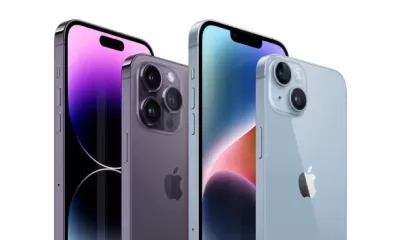

Best iPhones to Buy in 2026: Top 7 Models Compared with Features, Prices, and Expert Advice
Choosing the best iPhone to buy in 2026 is not simply about picking the newest release. With several generations still...


Why Gold and Silver Are Rising: What’s Driving Precious Metals’ Strong Momentum
Gold and silver are gaining strength as investors seek safe-haven assets amid global economic and geopolitical uncertainty. Silver is outperforming...


Best Hospitals in India for Heart Surgery – Top Cardiac Care Centers in 2026
Heart disease is a significant health challenge in India and worldwide. With rising incidence of coronary artery disease, heart attacks,...


Best Airline Loyalty Programs in 2026: Which Frequent Flyer Programs Are Really Worth It?
Spend enough time in airports and you’ll notice something interesting. Some travelers move effortlessly — priority check-in, lounge access, early...


Best Medical Schools in the US in 2026: A Complete and Easy Guide for Future Doctors
Choosing from the best medical schools in the US is one of the most important decisions in a future doctor’s...

Cars Below 15 Lakhs in India: The Complete Buyer’s Guide for 2026
The Indian automobile market in 2026 has entered a value-driven era. Buyers no longer need to exceed their budget to...


Cuisine of the Middle East: Flavours That Carry History on Every Plate
There’s a reason people speak of the cuisine of the Middle East with a certain reverence. It isn’t simply about...


Credit Card With Benefits Best: How to Maximize Value
Credit cards have become part of everyday life — from paying utility bills to booking travel online. But today, a...