
Technology
OnePlus Phones Under ₹25k vs Samsung Phones Under ₹25k: Which Should You Buy?
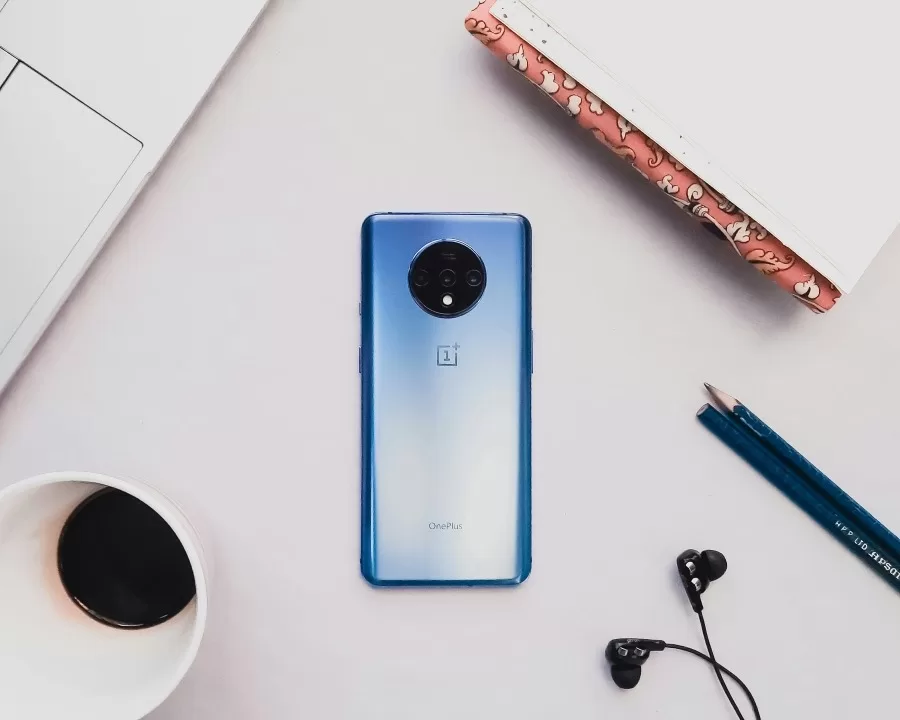
Honestly, picking a smartphone under ₹25,000 these days feels a bit like trying to choose your favorite pizza topping — there’s a lot of decent options, some clear favorites, but it mostly depends on what really matters to you. And if you’re eyeing OnePlus Phones Under ₹25k vs Samsung Phones Under ₹25k, well, the choices can get pretty tricky. Both brands have their die-hard fans, both make some seriously tempting phones, and both have quirks that could either charm you or drive you nuts.
So, I thought I’d write this down, maybe help anyone stuck in that “should I go OnePlus or Samsung?” loop. Let’s get into it — and I’ll try to keep this human, imperfect, and maybe even a little chatty.
OnePlus Phones Under ₹25k: Smooth, Snappy, and Surprisingly Solid
OnePlus has this reputation, right? They’ve been the “flagship killer” brand for years, and even their budget-ish models carry some of that DNA. I recently spent a few days with the OnePlus Nord CE 5, and I gotta say, for the price, it feels pretty… premium. Lightweight, smooth, and honestly, the software is kind of addictive in a weird way.
Performance & Software: OxygenOS Is Surprisingly Clean
Okay, first things first: the software. OnePlus runs OxygenOS, which is basically Android, but slightly smarter and less cluttered. Scrolling, swiping, switching apps — everything just feels snappy. You don’t get that weird lag you sometimes notice on other phones in this price range.
Gaming? Yeah, it handles PUBG or BGMI pretty well at medium-to-high settings. You’re not going to get flagship-level performance, but in day-to-day use, it feels smooth. Honestly, sometimes I catch myself doing unnecessary stuff just to see how smooth it is — like scrolling through 100 Instagram posts back-to-back.
Camera Capabilities: Good Enough for Most People
Now, cameras. OnePlus cameras have historically been… okay-ish. They were solid in daylight but struggled at night. The Nord CE 5 has a 50MP main camera, and for casual snaps — family photos, street shots, maybe some social media content — it’s decent.
But let’s be real: if you’re the type who loves taking low-light shots, or ultra-wide landscapes, OnePlus is fine, but it won’t blow your mind. Honestly, for me, it’s been “good enough” most of the time.
Battery Life & Charging: Lightning Fast
Battery life is where OnePlus makes you kind of smile. The Nord CE 4 5G has a 5,500mAh battery and supports 80W SUPERVOOC fast charging. In practice, this means: you can plug it in for 20 minutes and get a huge chunk of battery back. Perfect if you forget to charge overnight (like I sometimes do).
And the phone lasts a full day easily, even if you binge-watch YouTube in the morning, game for a bit in the evening, and scroll Instagram at night.
Design & Build: Sleek, Minimal, Lightweight
OnePlus phones under ₹25k don’t feel cheap. They’re light, ergonomic, and look fairly premium. Sure, they might not have the glass-and-metal extravaganza of a flagship, but they don’t feel plasticky either. And in day-to-day life, holding a lightweight, sleek phone makes scrolling and gaming way more enjoyable.
Samsung Phones Under ₹25k: Display & Camera First
Now, Samsung. This is a brand that’s always leaned into display quality and camera performance. Their budget phones, like the Galaxy A55 5G or A36 5G, don’t just feel like “budget devices” — they feel like smaller siblings of their pricier cousins.
Display & Build Quality: AMOLED Magic
If you’re someone who binge-watches Netflix or watches YouTube videos daily, Samsung screens are honestly addicting. Super AMOLED displays, bright colors, deep blacks — it makes everything feel more cinematic. I’ve watched some random travel vlogs on the A55, and honestly, it felt nicer than my laptop screen.
The build is solid too. These phones feel sturdy, and they’re not ridiculously heavy. Even if you drop them in your bag with keys (don’t do this, but I’ve done it), they survive fairly well.
Camera Performance: Versatility Is Key
Cameras are where Samsung really flexes. The Galaxy A55 5G has a 50MP triple-camera setup. That means wide, ultra-wide, and macro shots are all on the table. Daylight shots? Sharp. Low-light shots? Surprisingly decent. Portraits? Not bad at all.
Basically, if you love taking photos, Instagram stories, or just snapping things for fun, Samsung gives you more options than OnePlus. You don’t have to worry about “did I frame it right?” as much because the phone is smart enough to help you out.
Battery & Charging: Reliable, Not Insane
Battery life is solid — 5,000mAh will comfortably get you through a day, sometimes a bit more. Charging isn’t as crazy fast as OnePlus (45W vs 80W), but honestly, for most people, it’s more than enough. You’re not going to need to babysit the phone while it charges.
Software & Updates: One UI, With Its Quirks
Samsung’s One UI has gotten pretty refined over the years. It’s full of features, maybe a bit heavier than OxygenOS, and yes, it comes with a few pre-installed apps that you might never use. But it’s intuitive, mostly reliable, and Samsung promises a couple of years of updates even in this range.
OnePlus vs Samsung: Quick Comparison
| Feature | OnePlus Phones Under ₹25k | Samsung Phones Under ₹25k |
|---|---|---|
| Performance | Smooth, OxygenOS | Fluid, One UI |
| Display | AMOLED | Super AMOLED |
| Camera | Decent, 50MP | Excellent, 50MP Triple |
| Battery Life | 5,500mAh, 80W Charging | 5,000mAh, 45W Charging |
| Software Updates | 2 years | 2 years |
| Build & Design | Lightweight, sleek | Sturdy, premium look |
| Price Range | ₹15,499 – ₹24,999 | ₹22,499 – ₹25,999 |
Real-Life Scenarios: Who Actually Wins?
Sometimes the specs don’t tell the full story. Let’s think about actual users:
- Streaming & Social Media Addict: Samsung wins. Those AMOLED colors make scrolling, watching reels, and Netflix way more enjoyable.
- Mobile Gamer: OnePlus takes it. Smooth OS, responsive gaming, and crazy fast charging.
- Photography Hobbyist: Samsung again. Ultra-wide, macro, night shots — OnePlus just can’t compete fully here.
- Casual, Everyday Use: Honestly, both are fine. It’s a matter of whether you care more about smoothness (OnePlus) or screen and camera (Samsung).
Value for Money & Longevity
Under ₹25k, you want something that lasts a couple of years without feeling outdated.
- OnePlus: Slightly better resale value, cleaner software, fast charging. Might feel more “premium” in daily handling.
- Samsung: Slightly better camera, excellent display, sturdy design. Possibly longer software support.
Both are solid, it really comes down to what you value more.
Pros & Cons
OnePlus
Pros:
- Snappy performance
- OxygenOS feels clean
- 80W fast charging
- Sleek, lightweight
Cons:
- Camera versatility limited
- Display not as vivid
- Fewer software features than Samsung
Samsung
Pros:
- Gorgeous Super AMOLED screen
- Excellent, versatile camera
- Sturdy build
- Reliable battery life
Cons:
- Heavier software
- Slower charging than OnePlus
- Slightly higher price
Hypothetical Buyer Scenarios
- Student or young professional: Needs smooth phone, fast charging → OnePlus Nord CE 5
- Photography fan: Loves snapping photos for social media → Samsung Galaxy A55 5G
- Media consumer: Binge-watcher, YouTube/Netflix fan → Samsung
- Gamer: Needs responsive UI → OnePlus
Final Thoughts
So, after all this, the big question remains: OnePlus Phones Under ₹25k vs Samsung Phones Under ₹25k: Which Should You Buy? Honestly, it depends. OnePlus is for speed lovers, minimalists, and gamers. Samsung is for anyone who wants a gorgeous screen, versatile cameras, and something that feels solid in your hand.
Personally? If I were buying for everyday use with a mix of gaming and casual photography, I’d probably go with OnePlus — I like snappy phones and fast charging. But if my focus was streaming and snapping pictures for Instagram, Samsung would be my pick without hesitation.
At the end of the day, both brands deliver strong options. And really, under ₹25k in 2025, that’s a pretty nice problem to have.


Elon Musk: Business Leader Behind Tesla, SpaceX, and xAI
Quick Facts Field Details Full Name Elon Reeve Musk Born June 28, 1971 Birthplace Pretoria, South Africa Nationality South African,...


Best Places to Visit in Vietnam – Complete Travel Guide
Vietnam is one of the most rewarding destinations in Southeast Asia. It’s a country where emerald bays meet towering limestone...

Best iPhones to Buy in 2026: Top 7 Models Compared with Features, Prices, and Expert Advice
Choosing the best iPhone to buy in 2026 is not simply about picking the newest release. With several generations still...


Why Gold and Silver Are Rising: What’s Driving Precious Metals’ Strong Momentum
Gold and silver are gaining strength as investors seek safe-haven assets amid global economic and geopolitical uncertainty. Silver is outperforming...


Best Hospitals in India for Heart Surgery – Top Cardiac Care Centers in 2026
Heart disease is a significant health challenge in India and worldwide. With rising incidence of coronary artery disease, heart attacks,...


Best Airline Loyalty Programs in 2026: Which Frequent Flyer Programs Are Really Worth It?
Spend enough time in airports and you’ll notice something interesting. Some travelers move effortlessly — priority check-in, lounge access, early...


Best Medical Schools in the US in 2026: A Complete and Easy Guide for Future Doctors
Choosing from the best medical schools in the US is one of the most important decisions in a future doctor’s...

Cars Below 15 Lakhs in India: The Complete Buyer’s Guide for 2026
The Indian automobile market in 2026 has entered a value-driven era. Buyers no longer need to exceed their budget to...


Cuisine of the Middle East: Flavours That Carry History on Every Plate
There’s a reason people speak of the cuisine of the Middle East with a certain reverence. It isn’t simply about...


Credit Card With Benefits Best: How to Maximize Value
Credit cards have become part of everyday life — from paying utility bills to booking travel online. But today, a...