
Technology
Phones Offering the Longest Software Support and Updates: Why It Matters More Than You Think
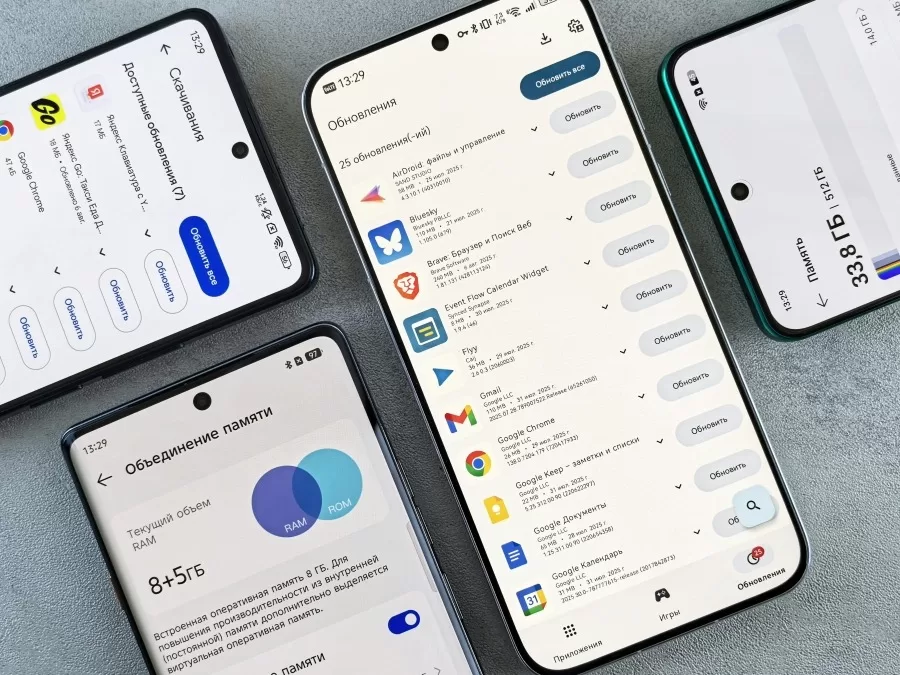
I’ll admit something upfront: a few years ago, I didn’t care much about software updates. I’d buy a shiny phone, enjoy the first couple of Android upgrades, and then… well, I’d just move on when it felt old. But lately, the stakes feel higher. Maybe it’s because midrange phones cost what flagships used to, or because our data lives on these things. Either way, I’ve started to care—a lot—about phones offering the longest software support and updates.
If you’ve ever owned a phone that suddenly stopped getting security patches, you know the anxiety. And in 2025, long-term support isn’t just a nerdy checklist item. It’s about privacy, e-waste, and whether your phone will feel fresh three or four years down the line. So, let’s talk about the brands actually delivering on this promise—and the fine print you should notice.
Why Software Longevity Is the New Battery Life
Remember when battery life was the big obsession? I was that person reading Reddit threads about 5,000 mAh cells and charging cycles. Now, the conversation has shifted: “How many years will this thing stay secure?” The reason is simple—phones are already fast enough for most tasks, and cameras are all decent. But a great device can feel useless if it’s stuck on an outdated OS.
It’s not just features, either. Security patches fix vulnerabilities you might never hear about until they’re exploited. And environmentally, longer support means fewer discarded devices. We can’t talk about sustainability while upgrading every two years.
Fairphone 5: The Champion of Longevity
Let’s start with the obvious hero: Fairphone 5. Fairphone officially guarantees 5 OS upgrades and 8 years of security updates, with an aspirational goal of up to 10 years if partners (like chip vendors) cooperate. That’s not rumor—it’s in Fairphone’s own documentation. They’re transparent: 8 years is firm, 10 is a dream.
I love Fairphone’s honesty. They’re not a giant like Samsung or Apple, yet they’re outpacing most of the industry. Plus, Fairphone builds its phones to be repairable—swap a battery, replace a camera module—so the software promise actually matters. It’s no good promising 10 years of updates on a phone that’s impossible to fix after two. Fairphone understands that.
Is there a catch? Sure. Availability is limited—Europe mainly—and you’re not getting the most cutting-edge specs. But for people who care about ethics, sustainability, and control over their devices, Fairphone’s approach is unmatched.
Apple’s Quiet Dominance
Now, let’s be real: Apple doesn’t shout about update timelines the way Android brands do, but iPhones quietly set the bar. Look at the iPhone XS from 2018—it got iOS 18 in 2024. That’s six major OS upgrades, plus security patches beyond that. The iPhone 6s lived a wild seven-year life.
Apple benefits from controlling hardware and software. You don’t have to check if your carrier or region will delay updates—they arrive on day one, worldwide. The downside? Well, Apple hardware isn’t cheap, and you’re locked into their ecosystem. But if software longevity is your top priority, iPhones remain a safe bet.
Samsung’s Steady Climb
Samsung has transformed its reputation. A decade ago, its phones were notorious for short support cycles. Now, its flagship and many midrange devices (Galaxy S series, Z series, and A5x or A7x models) promise 4 OS upgrades and 5 years of security patches.
Four Android versions may sound shorter than Fairphone’s five or Nothing’s five, but remember: Samsung’s devices are easier to find, have stellar hardware, and the One UI skin is stable. Plus, Samsung’s vast market presence makes this commitment meaningful.
Google Pixel: The New Five-Year Standard
Google’s Pixel 8 and newer models bumped up to 7 years of OS and security updates—a huge leap from the 3-year policy they once had. That makes Pixels some of the safest long-term Android bets. And since Google controls Android itself, you’re getting updates on day one.
Pixels also get Pixel Feature Drops—little software goodies that keep them fresh even mid-cycle. The only downside? Google doesn’t sell Pixels everywhere, and older models (like Pixel 6) stick to 3 or 5 years depending on release date. But for anyone in supported regions, Pixels are now serious contenders for longest-lived Android phones.
Caveats and Regional / Implementation Details
When it comes to long-term support, there are a few nuances to keep in mind:
- Honor 400 / 400 Pro: The official promise of 6 years Android OS and security updates is specifically confirmed for the European market. Outside Europe—such as Asia, the Middle East, and Africa—the update timelines are often shorter or not clearly specified. (Sources: The Verge, Reddit, PR Newswire)
- Nothing Phone 3: The device officially promises 5 OS upgrades plus 7 years of security updates, but some details remain uncertain. For instance, the frequency of security patches (monthly, bi-monthly, etc.) and potential regional differences in update speed or priority are not fully clarified. (Source: Android Central)
Honor 400 and 400 Pro: An Ambitious Promise—With Context
Here’s where nuance matters. Honor announced 6 years of Android OS and security updates for the Honor 400 series—but this is explicitly for Europe. That’s an impressive number, putting Honor in the same league as Google and ahead of Samsung.
However, I’d approach this with mild caution. Honor’s track record on updates (post-Huawei) is still relatively new. Will they deliver consistently, and in non-European regions? Time will tell. But for buyers in Europe, the 400 and 400 Pro are strong long-term bets.
Nothing Phone 3: A Young Brand Shooting High
Nothing—the quirky, design-obsessed brand from ex-OnePlus co-founder Carl Pei—has promised 5 OS upgrades and 7 years of security patches for its Phone 3. This is directly from company announcements, not rumor.
The caveat? Execution. Smaller brands sometimes struggle to roll updates out on time across carriers and countries. Even big players like Samsung occasionally stagger rollouts. Still, if Nothing keeps pace, the Phone 3’s promise is exceptional. And given their track record with the Phone (1) and (2), optimism feels reasonable.
Other Brands Worth Mentioning
OnePlus / Oppo: Flagships now promise 4 OS + 5 years security—similar to Samsung. Midrange devices may get less.
Xiaomi: Its flagship 13T and 14 series have 4 OS + 5 years security. But cheaper Redmi models? Sometimes just 2–3 years.
Sony Xperia: Generally 2–3 years OS and 4 years security—still lagging behind.
Asus: Gaming phones like the ROG series usually see 2 OS upgrades and 4 years security.
Motorola: Historically weak, though newer flagships (Edge 50 series) claim 3 OS + 4 years security.
These brands may not hit Fairphone or Pixel levels, but knowing their promises can prevent disappointment.
It’s Not Just About Numbers
There’s a trap in staring only at the years promised. Two phones can both claim “5 years of updates,” but one might deliver them late or skip months of patches. Update frequency, regional variations, and partner dependencies (chipmakers like Qualcomm or MediaTek) all matter.
Fairphone admits its 10-year goal depends on chip vendor support. Nothing could promise 7 years but slow down in year four if resources tighten. Honor’s 6-year promise in Europe might not apply in India. That’s why reading the fine print—or following update news after launch—is essential.
Why Carriers and Regions Complicate Things
If you’re in the U.S., carrier models sometimes delay updates. Europe tends to get them faster. In India, midrange phones might lag because vendors prioritize flagships. Buying unlocked often means quicker updates.
I’ve personally seen this: my carrier-branded Samsung lagged two months behind the unlocked version for security patches. Lesson learned.
Practical Tips Before You Buy
Check the manufacturer’s site, not just marketing slides.
Look at past behavior—did the brand keep promises for older models?
Prefer global or unlocked models if possible.
Factor repairability—long support is useless if you can’t fix a broken screen affordably.
A Personal Perspective
Sometimes, I imagine explaining this to a friend who doesn’t care about tech. I’d say: “Think of your phone like a car. You wouldn’t buy one if the manufacturer promised oil changes for only two years.” Long software support is like regular maintenance—it keeps things safe and smooth.
I’ve been burned before—my old Moto G stopped getting patches after two years, leaving me stuck on an insecure version of Android. I don’t want that again, and I bet you don’t either.
The Big Picture
The good news? The industry is trending up. Google’s seven-year promise pushed competitors to respond. Even midrange phones now get more than the paltry two years we used to accept. And ethical players like Fairphone prove it’s possible to go further.
But remember: numbers are promises, not magic spells. Read the details, weigh the brand’s history, and think about your own habits. If you keep phones for three years, maybe you don’t need ten. But if you’re a long-hauler—or you care about the planet—choosing a phone with long-term support is one of the most sustainable tech decisions you can make.


Elon Musk: Business Leader Behind Tesla, SpaceX, and xAI
Quick Facts Field Details Full Name Elon Reeve Musk Born June 28, 1971 Birthplace Pretoria, South Africa Nationality South African,...


Best Places to Visit in Vietnam – Complete Travel Guide
Vietnam is one of the most rewarding destinations in Southeast Asia. It’s a country where emerald bays meet towering limestone...

Best iPhones to Buy in 2026: Top 7 Models Compared with Features, Prices, and Expert Advice
Choosing the best iPhone to buy in 2026 is not simply about picking the newest release. With several generations still...


Why Gold and Silver Are Rising: What’s Driving Precious Metals’ Strong Momentum
Gold and silver are gaining strength as investors seek safe-haven assets amid global economic and geopolitical uncertainty. Silver is outperforming...


Best Hospitals in India for Heart Surgery – Top Cardiac Care Centers in 2026
Heart disease is a significant health challenge in India and worldwide. With rising incidence of coronary artery disease, heart attacks,...


Best Airline Loyalty Programs in 2026: Which Frequent Flyer Programs Are Really Worth It?
Spend enough time in airports and you’ll notice something interesting. Some travelers move effortlessly — priority check-in, lounge access, early...


Best Medical Schools in the US in 2026: A Complete and Easy Guide for Future Doctors
Choosing from the best medical schools in the US is one of the most important decisions in a future doctor’s...

Cars Below 15 Lakhs in India: The Complete Buyer’s Guide for 2026
The Indian automobile market in 2026 has entered a value-driven era. Buyers no longer need to exceed their budget to...


Cuisine of the Middle East: Flavours That Carry History on Every Plate
There’s a reason people speak of the cuisine of the Middle East with a certain reverence. It isn’t simply about...

Credit Card With Benefits Best: How to Maximize Value
Credit cards have become part of everyday life — from paying utility bills to booking travel online. But today, a...