
Technology
The Rise of AI Tutors in Education (And Why I’m Not Sure How to Feel About It)
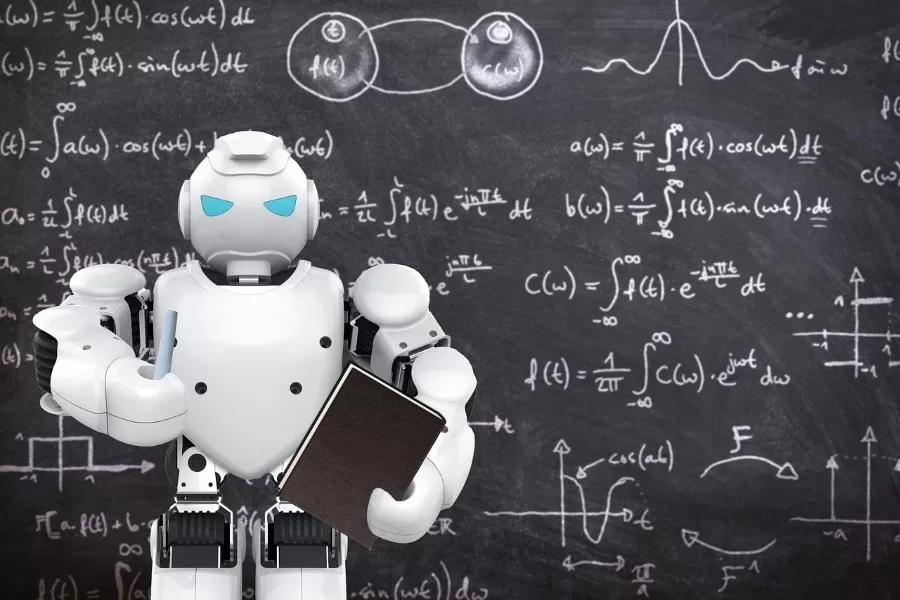
I didn’t expect it to happen like this.
A few weeks ago, I heard my cousin’s kid talking in his room. Not FaceTiming a friend. Not gaming. Just kind of… talking, calmly, like someone in a tutoring session. I peeked in.
Turns out, he was talking to an AI tutor on some learning app.
No teacher. No classmate. Just him and a chatbot explaining physics in a way that—surprisingly—made sense to him.
He was actually into it. Focused. Not frustrated like I’d seen before with homework.
And I sat there thinking:
Wait—when did AI become the smart friend we all wish we had in school?
Let’s Be Real: Tutoring Used to Be a Pain
Back in my day (not to sound ancient), tutoring was… kinda awful.
You’d either stay after class with a teacher who was clearly overworked, or your parents would pay someone to show up once a week with flashcards and a whiteboard. It was hit or miss.
Now?
You can literally open an app like Khanmigo or Socratic by Google, type in a question, and get a response tailored to how you think. Not just the answer—but a breakdown, examples, follow-ups. Sometimes it even asks you questions first.
It’s wild.
What AI Tutors Actually Do Pretty Well
Let’s give them some credit.
AI tutors do a lot of things that teachers—especially overwhelmed ones—can’t always do in real-time:
- They’re available 24/7. No appointment needed.
- They don’t get tired or annoyed when you ask the same question three times.
- They adjust to your speed. Struggling? They’ll slow it down.
- Need visuals? They generate diagrams. Prefer verbal steps? Done.
Basically, they personalize the learning experience like a great one-on-one tutor might—but for free, and instantly.
Honestly, if I had that for algebra… I might’ve actually passed without panic attacks.
But There’s a Catch (Actually, Several)
Here’s the thing though—something about it still feels… off.
Don’t get me wrong. It’s helpful. It works. But is it learning?
When a student leans too hard on AI to do the heavy lifting, they’re not flexing their own thinking muscles. It’s like watching a cooking show and thinking you’ve mastered soufflé because you saw the steps.
Some kids are now using ChatGPT not just to get help—but to generate entire essays, explanations, even lab writeups. One kid I talked to said, “It’s not cheating, I’m just getting ideas.”
Right. But are they your ideas?
When AI Tutors Get It Wrong (Because They Do)
Here’s the part that no flashy app demo tells you:
AI makes mistakes.
It’s getting better—sure. But I’ve seen it fumble basic math logic or give sketchy historical info. And the problem? Students often don’t know it’s wrong.
Why would they? It sounds confident. Clean. Authoritative.
That’s scary.
Because we want AI to support thinking—not replace it. If students start trusting it blindly, we’re in trouble.
Can We Talk About the Digital Divide?
This one bothers me a lot.
Because the rise of AI tutors in education is great… for those who can access it.
But not every kid has:
- Fast Wi-Fi
- A newer phone or laptop
- A quiet room to focus
So yeah, if you’ve got all that? You’ve got a 24/7 tutor in your pocket.
If you don’t? You’re left behind—again.
The tech world keeps pushing forward, but we still haven’t solved basic access. And if we’re not careful, this could widen the gap between students instead of closing it.
Real Teachers Still Matter (And Always Will)
Let me say this loud and clear:
AI tutors are not teachers.
They’re tools. Smart tools, yes. But they don’t:
- Read body language
- Know when a student’s overwhelmed
- Offer a pep talk after a bad test
- Notice when a kid’s just… off that day
A teacher brings humanity to the classroom. They connect dots beyond curriculum. They inspire. They care.
An algorithm can guide you through fractions. But it can’t care if you’re scared to fail.
What Students Are Actually Saying
I chatted with a few high schoolers I know. Nothing scientific—just vibes.
One said,
“I like that it’s fast. But I end up copying the answer without thinking sometimes. It feels lazy, but… whatever, it works.”
Another told me,
“Sometimes I use it for English, but I have to reword everything so it sounds like me. Otherwise my teacher knows.”
That’s the thing—kids are using it. Often. But they know it’s not perfect. They’re trying to figure out how to use it without getting called out, or losing their own voice.
The Quiet Problem: Too Much Help?
Let’s be honest: we’ve all Googled answers when we should’ve thought harder.
AI tutors make it really easy to skip the struggle. You hit a wall → ask AI → move on. Boom.
But that “struggle” part? That’s where learning actually happens. It’s where you build confidence, problem-solving, and weirdly… patience.
If students never sit with confusion, if every hurdle gets smoothed over instantly, do they ever develop grit?
I worry about that.
So Where Do Teachers Fit In?
Good news: They’re not going anywhere.
Smart schools are using AI tutors with teachers—not instead of them. Think of it like this:
- AI handles drills, quizzes, instant feedback.
- Teachers focus on creativity, discussion, motivation, connection.
It’s more of a partnership than a replacement.
Like, AI can help a student understand the “how.” But only a teacher can show them the “why it matters.”
The Creepy Part: What’s Happening With the Data?
Alright. Slight rant incoming.
These AI platforms collect a lot of info:
- What students click
- Where they hesitate
- How long they spend on a question
And… who has access to that?
Some apps are vague. Some bury it in 20-page terms of service. Few parents or students actually read it. That’s a problem.
We’re dealing with children’s learning data here. We need transparency. Opt-outs. Rules. Something.
Because the last thing we need is a “free” app harvesting data to sell later.
Final Thoughts: Is This the Future?
Honestly? I don’t know yet.
AI tutors are powerful. They help. They make learning more accessible for a lot of students. But they’re not magic. And they’re definitely not neutral.
They reflect our choices—how we design them, how we use them, and who we leave behind.
If we treat them like tools—not teachers—maybe we’re onto something.
But if we let them do the thinking for us? That’s where learning stops.


Elon Musk: Business Leader Behind Tesla, SpaceX, and xAI
Quick Facts Field Details Full Name Elon Reeve Musk Born June 28, 1971 Birthplace Pretoria, South Africa Nationality South African,...


Best Places to Visit in Vietnam – Complete Travel Guide
Vietnam is one of the most rewarding destinations in Southeast Asia. It’s a country where emerald bays meet towering limestone...


Best iPhones to Buy in 2026: Top 7 Models Compared with Features, Prices, and Expert Advice
Choosing the best iPhone to buy in 2026 is not simply about picking the newest release. With several generations still...


Why Gold and Silver Are Rising: What’s Driving Precious Metals’ Strong Momentum
Gold and silver are gaining strength as investors seek safe-haven assets amid global economic and geopolitical uncertainty. Silver is outperforming...


Best Hospitals in India for Heart Surgery – Top Cardiac Care Centers in 2026
Heart disease is a significant health challenge in India and worldwide. With rising incidence of coronary artery disease, heart attacks,...


Best Airline Loyalty Programs in 2026: Which Frequent Flyer Programs Are Really Worth It?
Spend enough time in airports and you’ll notice something interesting. Some travelers move effortlessly — priority check-in, lounge access, early...


Best Medical Schools in the US in 2026: A Complete and Easy Guide for Future Doctors
Choosing from the best medical schools in the US is one of the most important decisions in a future doctor’s...


Cars Below 15 Lakhs in India: The Complete Buyer’s Guide for 2026
The Indian automobile market in 2026 has entered a value-driven era. Buyers no longer need to exceed their budget to...


Cuisine of the Middle East: Flavours That Carry History on Every Plate
There’s a reason people speak of the cuisine of the Middle East with a certain reverence. It isn’t simply about...


Credit Card With Benefits Best: How to Maximize Value
Credit cards have become part of everyday life — from paying utility bills to booking travel online. But today, a...