
Education
Social Media’s Role in Academic Pressure
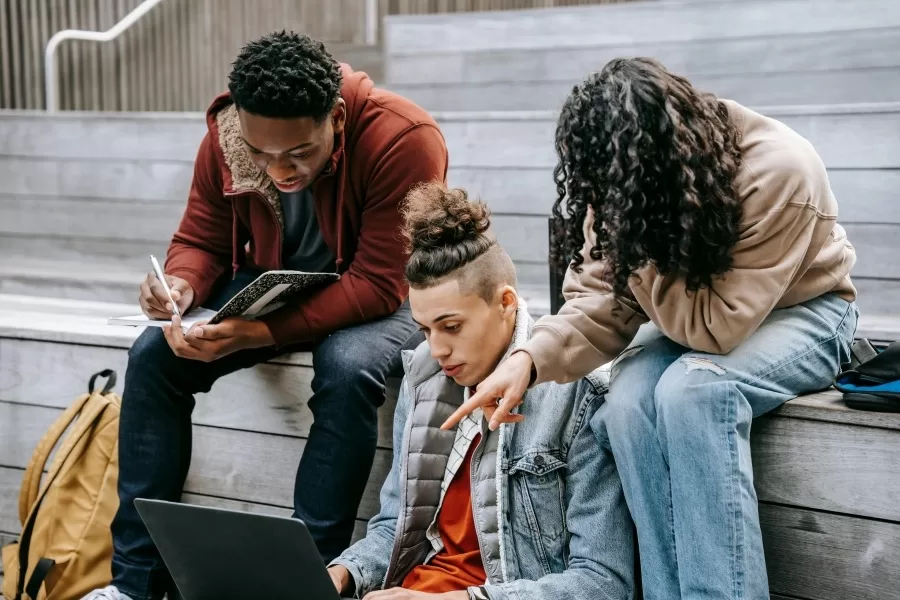
I don’t know when exactly it happened, but school stress stopped being just about tests and homework. Somewhere along the way, our phones joined the classroom. And not in a cool, “hey, we have online notes now” kind of way. More like: your achievements are on display for the world, whether you asked for it or not.
That’s where social media sneaks in. At first glance, it’s just memes, chats, and funny videos. But dig a little deeper, and you’ll notice it’s also a scoreboard. Who got into what college. Who landed which internship. Who’s pulling all-nighters. It’s endless.
And honestly? It’s exhausting.
That Comparison Spiral
Here’s a scenario that feels way too common:
You finish a brutal week of studying, and you’re like, finally, a break. You open Instagram. Boom. First post: your classmate announcing their acceptance into a top university. Next post: another friend showing off their shiny new certificate. Scroll further, and it’s scholarships, research papers, “proud to announce” posts.
It’s not that you’re not happy for them (of course you are). But then that little voice starts whispering: Am I behind? Am I slacking? Shouldn’t I be doing more?
And you know the worst part? Deep down you know you’re only seeing their highlight reel. Nobody’s posting their messy notes, their crying sessions, or the times they bombed an exam. But somehow, even knowing that doesn’t make the sting go away.
The “Aesthetic Study” Trap
Ever fall into the “studygram” or “study TikTok” hole? Yeah, me too.
At first, it’s kind of fun. Those neat notes, pastel planners, cozy desk setups with candles flickering — it makes you think, wow, maybe I’d be more productive if my desk looked like that. But after a while, you start to feel like you’re failing if your work doesn’t look Instagram-worthy.
It’s wild when you think about it. Social media took something as basic as studying and turned it into a performance. Like, if your notebook isn’t color-coded and aesthetic, did you even study?
Sometimes I wonder if students are learning… or just staging content for likes.
The Illusion of “Always Working”
Another thing social media does? It convinces you that everyone else is working harder than you.
You’ll see stories of someone grinding at 2 a.m., tweets about all-nighters, screenshots of planners jammed with tasks. And suddenly you’re questioning yourself: Was I lazy for watching Netflix tonight? Should I have studied longer?
But here’s what you don’t see: the crash after that all-nighter. The burnout. The stress headaches. Nobody posts the meltdown, just the grind.
And yet, you buy into the illusion. You start thinking you should always be on, always working. Which, spoiler alert, is a straight shot to burnout.
The Mental Health Angle
Here’s where it gets heavy. Social Media’s Academic Pressure isn’t just about grades. It’s about what it does to your head.
Stress and anxiety were already baked into the student experience. But add social media, and suddenly the pressure isn’t private anymore — it’s public. You’re not just competing with yourself or your classmates; you’re competing with hundreds of little posts announcing achievements, every single day.
I’ve seen friends who are brilliant — genuinely brilliant — spiral into self-doubt because scrolling convinced them they weren’t enough. And the crazy thing? Their grades were fine. Their problem wasn’t performance, it was perception.
Peer Pressure 2.0
Old-school peer pressure was about fashion trends or parties. Now it’s about academic flexes.
Your friends post about their internships, test scores, or university acceptances, and suddenly you feel like you need something to post too. If you don’t, you’re “falling behind.” Even LinkedIn — which used to be this boring adult thing — is now crawling with teenagers posting their achievements.
It’s not just “keep up with the group” anymore. It’s “prove your worth in public.”
To Be Fair, It’s Not All Bad
I don’t want to sound like that person who says “delete social media and your life will be perfect.” That’s not realistic.
There are upsides. Online communities can be supportive. You can find study tips, free resources, even encouragement. Sometimes, seeing someone else succeed can light a fire under you — proof that it’s possible.
But… it’s tricky. The same app that motivates you in the morning can tear you down by night. It’s a double-edged sword, and how it affects you depends on how you engage with it.
A Few Things That Help
So, what can you actually do about it? No one’s logging off permanently, let’s be real. But you can take little steps:
- Curate your feed. If certain accounts make you feel anxious, mute or unfollow them. No shame.
- Set some boundaries. Maybe don’t scroll right after an exam — that’s peak vulnerability.
- Reality check yourself. For every success post you see, there’s probably a pile of failures you don’t.
- Talk to friends. Normalize admitting that you’re stressed. Odds are, they feel it too.
Imagining a Social Media-Free Classroom
Sometimes I wonder — if social media just disappeared tomorrow, what would school look like?
Sure, we’d still have stress. Exams and grades aren’t going anywhere. But without feeds full of achievements, maybe the pressure would feel smaller. More personal. You’d be competing with yourself, not your entire network.
We can’t exactly roll back time. But the fact that this thought experiment feels like a relief says a lot about how deeply social media has twisted the student experience.
Wrapping This Up
Social media is just a tool. But when you combine it with academics, it becomes this megaphone for pressure. Achievements become performances, struggles stay hidden, and students are left juggling both school and the invisible weight of comparison.
At the end of the day, though, your worth isn’t tied to likes or to the shiny updates in your feed. Real success is messy. It includes breakdowns, boring nights, and failed attempts that never make it online.
So if you’re feeling crushed by Social Media’s Academic Pressure, here’s the reminder: you’re not alone. And more importantly — you’re doing better than you think.

Elon Musk: Business Leader Behind Tesla, SpaceX, and xAI
Quick Facts Field Details Full Name Elon Reeve Musk Born June 28, 1971 Birthplace Pretoria, South Africa Nationality South African,...


Best Places to Visit in Vietnam – Complete Travel Guide
Vietnam is one of the most rewarding destinations in Southeast Asia. It’s a country where emerald bays meet towering limestone...

Best iPhones to Buy in 2026: Top 7 Models Compared with Features, Prices, and Expert Advice
Choosing the best iPhone to buy in 2026 is not simply about picking the newest release. With several generations still...


Why Gold and Silver Are Rising: What’s Driving Precious Metals’ Strong Momentum
Gold and silver are gaining strength as investors seek safe-haven assets amid global economic and geopolitical uncertainty. Silver is outperforming...


Best Hospitals in India for Heart Surgery – Top Cardiac Care Centers in 2026
Heart disease is a significant health challenge in India and worldwide. With rising incidence of coronary artery disease, heart attacks,...


Best Airline Loyalty Programs in 2026: Which Frequent Flyer Programs Are Really Worth It?
Spend enough time in airports and you’ll notice something interesting. Some travelers move effortlessly — priority check-in, lounge access, early...


Best Medical Schools in the US in 2026: A Complete and Easy Guide for Future Doctors
Choosing from the best medical schools in the US is one of the most important decisions in a future doctor’s...


Cars Below 15 Lakhs in India: The Complete Buyer’s Guide for 2026
The Indian automobile market in 2026 has entered a value-driven era. Buyers no longer need to exceed their budget to...


Cuisine of the Middle East: Flavours That Carry History on Every Plate
There’s a reason people speak of the cuisine of the Middle East with a certain reverence. It isn’t simply about...

Credit Card With Benefits Best: How to Maximize Value
Credit cards have become part of everyday life — from paying utility bills to booking travel online. But today, a...