
Branding
Brand Identity vs Brand Image vs Brand Reputation: Key Differences
Featured image — Source: Eva Bronzini / Pexels
Ask ten marketers to explain the difference between brand identity vs brand image, and you’ll likely get ten slightly different answers. Throw brand reputation into the mix and the confusion doubles. Yet these three ideas are not interchangeable, and treating them as if they are is one of the quickest ways to waste a marketing budget. Your identity is what you build, your image is what people perceive, and your reputation is what they come to trust. Get the relationship between them right and everything from your advertising to your pricing power gets easier.
In this guide
What is brand identity?
Brand identity is the deliberate part — the collection of choices a company makes about how it wants to be seen. It includes the visible stuff most people think of first: the logo, colour palette, typography, packaging, and website design. But it goes deeper than visuals. Your tone of voice, your core values, the promises you make, and the personality you project all belong to your identity too.
The key word is intentional. Identity is the version of your brand you design on purpose. When Patagonia puts “Don’t buy this jacket” on a full-page ad, that isn’t an accident; it’s an identity choice that signals environmental values. If you’re still shaping yours, our guide on how to build a brand from scratch walks through the building blocks step by step.
What is brand image?
Brand image is what actually lands in the customer’s head. It’s the sum of every impression, feeling, and association a person has about your brand right now — regardless of what you intended. You can spend a fortune crafting a premium identity, but if customers keep having clunky experiences, their image of you will be “overpriced and frustrating,” not “premium.”
Here’s the uncomfortable truth: you don’t own your image, your audience does. It lives in their perception, shaped by ads, reviews, word of mouth, customer service calls, and even a single viral tweet. The American Marketing Association describes a brand largely in terms of how it’s recognised and perceived by customers, which is exactly why image can drift away from the identity you set.
What is brand reputation?
If image is the snapshot, reputation is the long exposure. Brand reputation is the accumulated judgement people hold about your brand based on its track record over time. It answers a simple question: “Can I trust them?” A strong reputation is why people pay more for a Toyota’s reliability or wait in line for an Apple release without reading a single review.
Reputation is the slowest of the three to build and, frustratingly, the fastest to lose. One data breach or one dishonest campaign can undo a decade of goodwill. That’s because reputation is earned through repeated proof, not promised through clever design. It’s closely tied to trust, which is increasingly emotional — something we explored in our piece on emotion-led branding.
Brand identity vs brand image vs brand reputation: the key differences
The cleanest way to hold these apart is to remember who owns each one. You own your identity. Your customer owns your image. The public owns your reputation. Everything else follows from that.
Why the gap between identity and image matters
The distance between your brand identity and your brand image is the single most useful diagnostic in branding. When the two line up, your marketing is efficient: you say “premium and reliable,” people believe “premium and reliable,” and you spend less convincing them. When they diverge, you’re effectively paying to fight your own reputation.
Think of Gap’s infamous 2010 logo change. The company’s intended identity update collided with the image customers already held, and the backlash was so fierce the old logo returned within a week. The lesson wasn’t “never change your logo.” It was that identity changes only stick when they respect the image already living in people’s minds.
How to align identity, image, and reputation
You can’t directly control image or reputation, but you can influence both by managing what you can control. Here’s the practical sequence that works.
1. Nail your identity first
Write down what you want to stand for in one sentence a twelve-year-old could repeat. If you can’t, your identity is too fuzzy to project consistently. Start from clear values and a defined voice — the fundamentals covered in what is branding.
2. Audit your actual image
Read your reviews, run a quick survey, and search your brand name on social media. Write down the three words customers keep using. If those words don’t match your intended identity, you’ve found your gap.
3. Close the gap through experience, not slogans
Image shifts when the actual experience shifts. Fix the checkout friction, train the support team, tighten the packaging. People believe what happens to them far more than what your tagline claims.
4. Protect reputation with consistency
Reputation compounds. Deliver the same quality on a quiet Tuesday as you do during a big launch, respond honestly when you slip, and never over-promise. Consistency is the interest that reputation pays out over years.
Common mistakes to avoid
A few traps catch brands over and over. Chasing a trendy visual identity that has nothing to do with how the business actually behaves creates an instant credibility gap. Assuming a rebrand will fix a reputation problem is another — if the underlying experience is broken, a new logo just puts fresh paint on a leaky roof. And ignoring the image audit entirely means you’re marketing blind, guessing at a perception you’ve never measured.
Frequently asked questions
Is brand identity the same as a logo?
No. A logo is one element of brand identity. Identity also includes your colours, typography, voice, values, and the overall personality you deliberately project.
Can brand image be different from brand identity?
Yes, and it often is. Identity is what you intend; image is what customers actually perceive. The gap between them tells you how well your branding is working.
How is brand reputation different from brand image?
Image is the immediate perception people have of you right now. Reputation is the deeper, long-term judgement built on your track record over months and years.
Which matters most for a small business?
Start with a clear identity, because it’s the only one you fully control. But invest in the customer experience early, since that’s what shapes both image and reputation as you grow.
How long does it take to build a brand reputation?
There’s no fixed timeline, but reputation is built through repeated, consistent proof. It typically takes years to establish and can be damaged in a single incident.
Can you recover a damaged brand reputation?
Yes, but slowly. Recovery requires honest acknowledgement, real changes to behaviour, and a sustained run of positive experiences that outweigh the negative memory.
Key takeaways
- Identity is what you build, and you control it.
- Image is what customers perceive right now, and they control it.
- Reputation is the long-term trust the public holds, earned through consistency.
- The gap between identity and image is your most valuable branding metric.
- You close that gap by improving the real experience, not by changing slogans.
Once you stop treating brand identity vs brand image as the same thing — and give brand reputation the long-term respect it deserves — branding stops feeling like guesswork. You design the identity, you measure the image, and you earn the reputation. Keep those three in conversation with each other, and your brand becomes something people not only recognise, but genuinely trust.


Brand Positioning: Definition, Strategies, and Real-World Examples
Featured image — Source: Leeloo The First / Pexels Two coffee shops sit on the same street, sell a similar...

Brand Identity vs Brand Image vs Brand Reputation: Key Differences
Featured image — Source: Eva Bronzini / Pexels Ask ten marketers to explain the difference between brand identity vs brand...


What Is Branding? A Complete Beginner’s Guide
Ask ten people what branding means and you’ll get ten different answers. Some say it’s your logo. Others point to...


Best Perfume Brands in India (2026): Top Luxury & Affordable Fragrances Ranked
Choosing from the best perfume brands in India has never been more exciting — or more confusing. Walk into any...


Elon Musk: Business Leader Behind Tesla, SpaceX, and xAI
Quick Facts Field Details Full Name Elon Reeve Musk Born June 28, 1971 Birthplace Pretoria, South Africa Nationality South African,...


Best Places to Visit in Vietnam – Complete Travel Guide
Vietnam is one of the most rewarding destinations in Southeast Asia. It’s a country where emerald bays meet towering limestone...

Best iPhones to Buy in 2026: Top 7 Models Compared with Features, Prices, and Expert Advice
Choosing the best iPhone to buy in 2026 is not simply about picking the newest release. With several generations still...
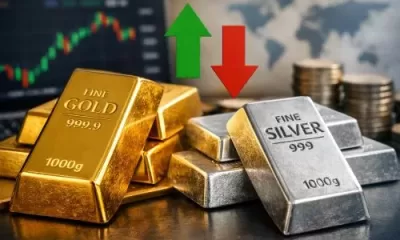

Why Gold and Silver Are Rising: What’s Driving Precious Metals’ Strong Momentum
Gold and silver are gaining strength as investors seek safe-haven assets amid global economic and geopolitical uncertainty. Silver is outperforming...


Best Hospitals in India for Heart Surgery – Top Cardiac Care Centers in 2026
Heart disease is a significant health challenge in India and worldwide. With rising incidence of coronary artery disease, heart attacks,...


Best Airline Loyalty Programs in 2026: Which Frequent Flyer Programs Are Really Worth It?
Spend enough time in airports and you’ll notice something interesting. Some travelers move effortlessly — priority check-in, lounge access, early...