
Auto
Affordable EVs Under ₹10 Lakh in India: Are They Worth It?
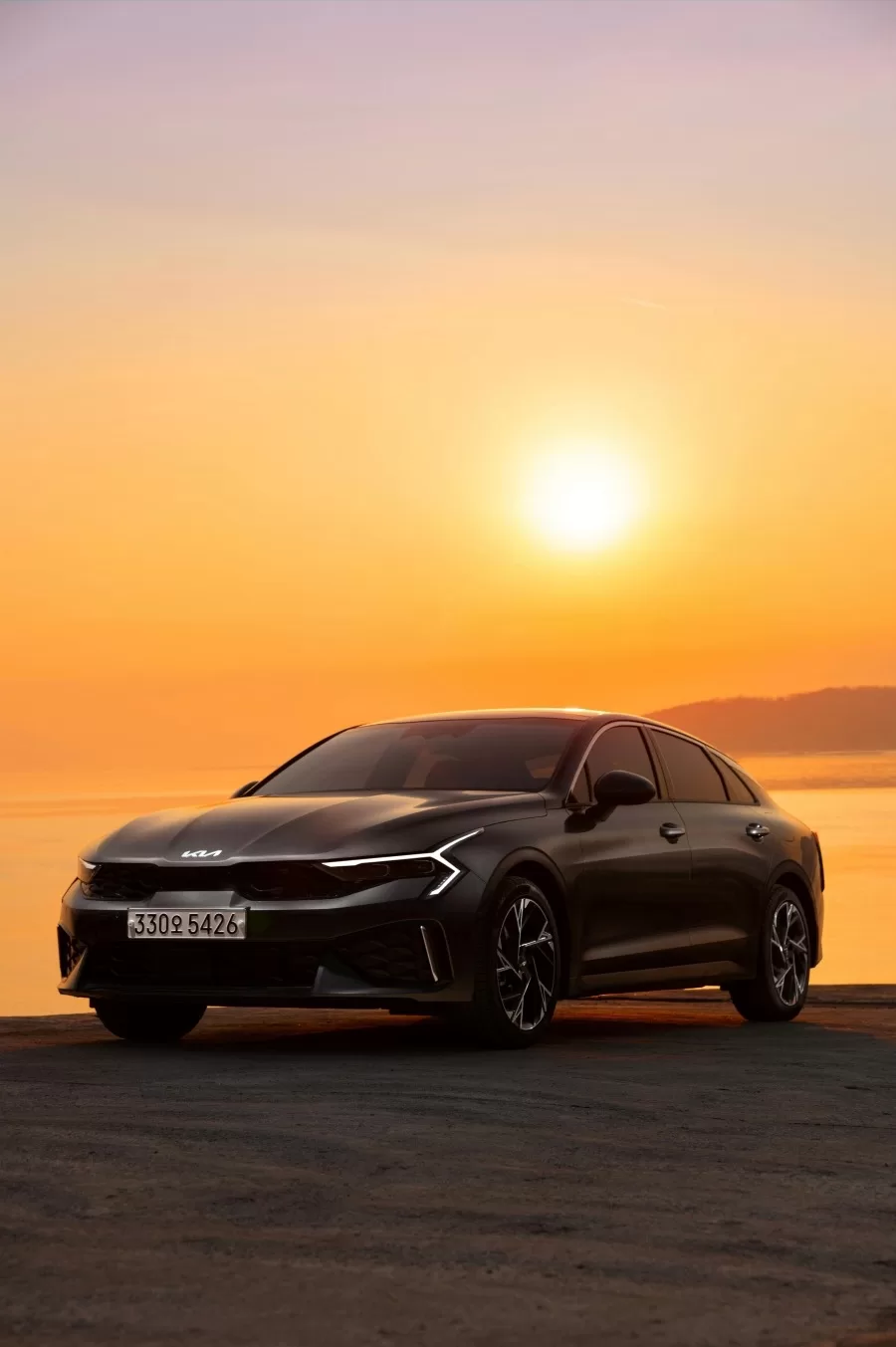
Affordable EVs under ₹10 Lakh in India are gaining popularity as car buyers look for budget-friendly, eco-conscious options. Whether it’s the compact MG Comet EV, the versatile Tata Tiago EV, or the SUV-style Tata Punch EV, this price segment is finally seeing strong contenders. But the big question remains — are they really worth buying in 2025?
So, electric cars under ₹10 lakh in India… who would’ve thought, right? Not long ago, EVs felt like some distant, luxury thing you’d read about online or see in a glossy magazine. Teslas, MGs, that kind of stuff—nice, but totally out of reach. But now, suddenly, it’s like: “Hey, wait, I could actually afford one?” That’s kind of crazy, and honestly, I’ve been thinking about it a lot because it changes how we even think about daily commuting.
I visited a friend recently who got a Tata Tiago EV. Just sitting there in it, I realized how… normal it felt. Like, nothing weird or futuristic about it, except it’s electric. Quiet, smooth, and weirdly fun to drive. I mean, I know it’s not a Tesla, but for city driving, it’s perfect. And then I started wondering—are these affordable EVs under ₹10 lakh in India really worth it?
What’s Out There?
Right now, there aren’t a ton of options, but the main ones are actually decent.
- Tata Tiago EV – small, familiar hatchback vibe, decent tech.
- MG Comet EV – tiny, quirky, city-friendly, battery rental options.
- Tata Punch EV – small SUV style, more room, slightly higher range.
I know what you’re thinking—range, right? How far can these things really go before you need a charge? And yeah, that’s a fair question. But hear me out. For daily city commuting, even the lower-range options are usually fine.
Why You Might Actually Want One
Honestly, money is a huge factor. Running costs are way lower than petrol cars. Charging at home is cheaper than filling petrol, and maintenance? Forget it. No oil changes, no spark plugs, no belts—basically, fewer reasons to visit a garage every few months. For me, that alone is worth thinking about.
Then there’s the quiet factor. I swear, driving an EV in morning traffic is a whole different vibe. No engine noise, smooth starts and stops, almost relaxing. And yes, less pollution is nice too. Small wins, but they matter when you’re sitting in traffic every day.
Government incentives are another thing. Depending on your state, registration and upfront costs might drop a bit. Not a huge difference, but every rupee counts if you’re budget-conscious. And the tech—touchscreens, apps, safety features—surprisingly good for cars under 10 lakh. It’s like you’re getting a slightly upgraded car without spending too much.
The Catch (Because There’s Always One)
Okay, don’t get me wrong. EVs aren’t perfect.
- Range anxiety: Most of these cars do around 200–315 km. Enough for city driving, not ideal for spontaneous road trips unless you plan ahead.
- Charging stations: Big cities? Mostly fine. Smaller towns? Not so much. You’ll likely rely on home charging.
- Upfront cost: Even with incentives, EVs are a bit pricier than petrol hatchbacks. You save over time, but the initial sticker shock is real.
So yeah, there’s a trade-off. You have to decide if quiet, cheaper running, lower maintenance, and environmental benefits are worth the slightly higher initial spend and planning for charging.
Quick Look at Popular Models
Tata Tiago EV
- Price: ₹7.99 lakh onwards (ex-showroom)
- Range: ~250 km real-world
- Charging: DC fast charging
Feels like your regular Tiago, but silent and responsive. Two battery options, depending on how far you drive. Fast charging helps if you’re in a rush. Driving it in the city is… honestly kind of fun. You forget it’s not a petrol car after a few minutes.
MG Comet EV
- Price: ₹7.36–9.86 lakh (ex-showroom)
- Range: ~230 km real-world
- Charging: AC, with BaaS options
Tiny, quirky, perfect for city streets. Parking? Easy. Drive? Surprisingly peppy. The Battery-as-a-Service option lowers upfront costs but comes with a monthly subscription. For short commutes, it works really well. I can totally see someone enjoying this car if they don’t need long-range weekend trips.
Tata Punch EV
- Price: ₹9.99 lakh onwards (ex-showroom)
- Range: ~315 km real-world
- Charging: AC + DC fast charging
Small SUV vibe. Spacious enough for a small family or weekend gear. The range is decent for occasional longer trips, and the cabin feels sturdy. If I were looking for more room but still under 10 lakh, this would be the pick.
Day-to-Day Life in an EV
Picture it: Monday morning, stuck in traffic. Buses creeping, scooters zipping by, horns everywhere. You’re in a Tiago EV. Cabin is quiet, AC on, smooth drive. Stop at a fast charger for coffee, plug in, go. Sounds simple, but it’s a surprisingly nice experience. Less stress, less noise, fewer worries about maintenance.
Even small things feel good. Not having to fuel up constantly, no oil changes, no spark plugs to worry about. And yeah, there’s a small “cool factor”—you know, driving silently past traffic and feeling like you’re ahead of the curve.
Tips if You’re Considering an EV
- Test drive first – instant torque and regenerative braking feel different.
- Check chargers – fast charging stations and home setup matter.
- Think long-term – 5–7 years of fuel and maintenance savings justify the price.
- Battery warranty – replacing a battery is expensive; don’t ignore this.
Are They Worth It?
Honestly, it depends on your lifestyle. Most driving is city-based? EVs make sense. Lower maintenance, less stress, quieter cabin, modest environmental impact—it’s all appealing. Range anxiety is real, but manageable with planning.
For me, personally, I’d consider Tiago or Punch EVs. Easy city drives, occasional trips, savings on fuel, less noise—ticks a lot of boxes. Comet EV is more fun and quirky but smaller. Each has its charm.
Final Thoughts
Affordable EVs under ₹10 lakh in India aren’t flawless. Charging infrastructure isn’t perfect, range is limited, and the upfront cost is higher. But for city life, they’re practical, efficient, and surprisingly enjoyable.
Driving quietly, saving money, and contributing a bit less to pollution feels good. These cars aren’t gadgets; they’re real alternatives for everyday commuting. And honestly? I think the EV future is closer than we imagine.
So yeah, are they worth it? For city commuters, absolutely. For long-haul road trip enthusiasts, maybe not yet. But I’d take a Tiago EV for my daily drives tomorrow if I could.


Elon Musk: Business Leader Behind Tesla, SpaceX, and xAI
Quick Facts Field Details Full Name Elon Reeve Musk Born June 28, 1971 Birthplace Pretoria, South Africa Nationality South African,...


Best Places to Visit in Vietnam – Complete Travel Guide
Vietnam is one of the most rewarding destinations in Southeast Asia. It’s a country where emerald bays meet towering limestone...


Best iPhones to Buy in 2026: Top 7 Models Compared with Features, Prices, and Expert Advice
Choosing the best iPhone to buy in 2026 is not simply about picking the newest release. With several generations still...


Why Gold and Silver Are Rising: What’s Driving Precious Metals’ Strong Momentum
Gold and silver are gaining strength as investors seek safe-haven assets amid global economic and geopolitical uncertainty. Silver is outperforming...


Best Hospitals in India for Heart Surgery – Top Cardiac Care Centers in 2026
Heart disease is a significant health challenge in India and worldwide. With rising incidence of coronary artery disease, heart attacks,...


Best Airline Loyalty Programs in 2026: Which Frequent Flyer Programs Are Really Worth It?
Spend enough time in airports and you’ll notice something interesting. Some travelers move effortlessly — priority check-in, lounge access, early...


Best Medical Schools in the US in 2026: A Complete and Easy Guide for Future Doctors
Choosing from the best medical schools in the US is one of the most important decisions in a future doctor’s...

Cars Below 15 Lakhs in India: The Complete Buyer’s Guide for 2026
The Indian automobile market in 2026 has entered a value-driven era. Buyers no longer need to exceed their budget to...


Cuisine of the Middle East: Flavours That Carry History on Every Plate
There’s a reason people speak of the cuisine of the Middle East with a certain reverence. It isn’t simply about...


Credit Card With Benefits Best: How to Maximize Value
Credit cards have become part of everyday life — from paying utility bills to booking travel online. But today, a...