
Auto
Charging Infrastructure for EVs Under ₹10 Lakh: A Ground-Level Reality Check
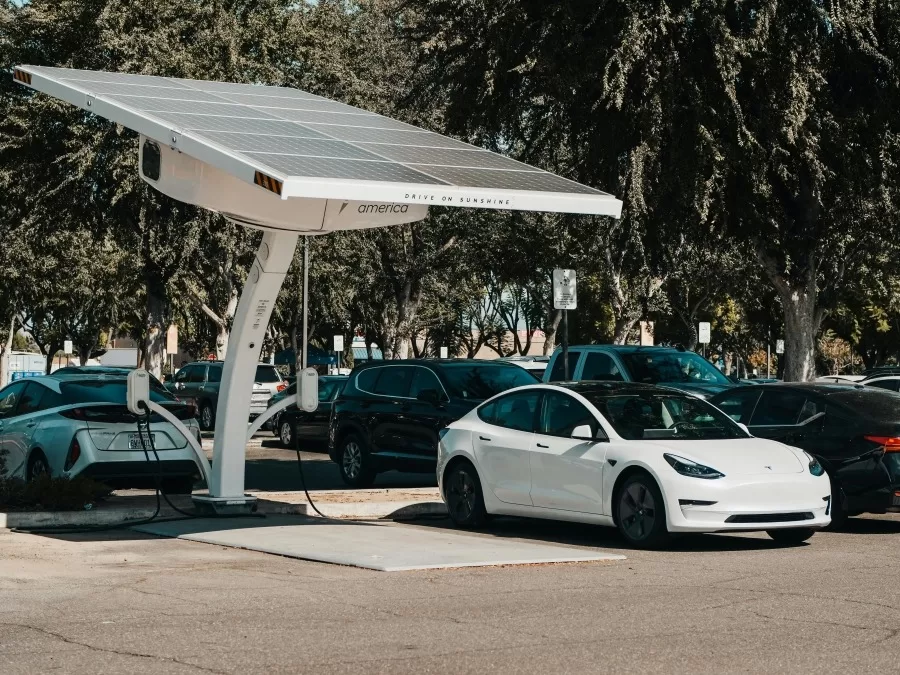
So you’re eyeing an electric car but want to keep the budget under ₹10 lakh? You’re not alone. A lot of first-time EV buyers in India are in the same boat. The idea is simple: small, affordable electric cars that can handle daily commutes, quick errands, and maybe even the occasional weekend trip.
But here’s the catch — cars are only half the story. The bigger, thornier question is: what about charging infrastructure for EVs under ₹10 lakh? Because, let’s face it, an EV without reliable charging is basically a stylish golf cart with extra doors.
What Cars Are Actually Available Under ₹10 Lakh?
Let’s clear this up first. The “under ₹10 lakh EV” club in India is actually very small.
- Tata Tiago EV – Starts around ₹7.99 lakh (ex-showroom), probably the most popular budget EV right now.
- MG Comet EV – Quirky, compact, urban-focused, starting just under ₹8 lakh.
- Citroën eC3 (base trim) – Hovers around the ₹9 lakh mark.
That’s basically it. Everything else, like the Tata Punch EV or Nexon EV, starts above ₹10 lakh. Yes, people do cross-shop them, but technically they don’t fit the “under ₹10 lakh” bracket. So, if we’re talking strictly under ten, your options are limited to three.
And because these are smaller cars with smaller batteries, charging speed and convenience matter even more. Nobody wants to wait six hours just to top up a commuter car.
The Charging Infrastructure Puzzle
Alright, let’s talk about the elephant in the room. We keep hearing about India’s ambitious targets for EV charging stations. Government policy documents mention a goal of around 1 million public chargers by 2030.
Sounds amazing, right? Except here’s the reality check: as of early 2025, the actual number of installed public chargers is under 20,000 — somewhere around 18,000 to 19,000. That’s a fraction of what’s needed. To put it in perspective, China reportedly has over 1.8 million public chargers already in place.
So yes, the ambition is there, but the pace? Still crawling.
Where Are the Chargers, Really?
One of the complaints you’ll often hear is: “All the fast chargers are only at malls or airports — basically posh areas.” And to be fair, that criticism isn’t completely wrong. Real estate availability, foot traffic, and ROI are better in premium spots, so operators flock there.
But that’s not the full picture. Oil companies like IOCL, BPCL, and HPCL are rolling out chargers at regular fuel stations too. Some are 30 kW, some are 60 kW, and in busier cities you even spot 120 kW or higher. These aren’t limited to fancy malls — they’re popping up along highways and in non-premium areas as well.
So the reality is more nuanced: yes, clustering happens in metro hotspots, but you’ll also find functional chargers at old-school petrol bunks if you look. The challenge is uneven distribution, not just elitist placement.
Home Charging: The Silent Hero
Here’s a truth most EV owners will tell you: if you’ve got a parking spot and a 15A socket, you’re 80% sorted. The portable chargers that come with budget EVs are slow, sure, but overnight charging works fine for city usage. Plug in before bed, wake up with a full battery.
The problem? Not everyone has that luxury. If you live in a housing society, approvals can be a headache. Some states — like Delhi and Maharashtra — have rolled out policies that offer small subsidies or simplified processes for society charging points. But let’s be real: this is more policy intent than seamless reality. In practice, it often comes down to whether your RWA is supportive or not.
What About Portable and “Creative” Charging?
You might’ve heard about startups experimenting with portable chargers, battery swapping kiosks, or even mobile charging vans. These ideas are exciting but let’s keep expectations realistic — they’re still niche and very experimental.
- Battery swapping works for two-wheelers and three-wheelers much better than for cars.
- Portable chargers are fine for emergencies but way too slow to be your primary solution.
- Mobile charging vans (like the ones piloted by startups such as Hopcharge or Kazam) exist in small trials, but they’re not something you can rely on in your city today.
Cool concepts, yes. Scalable solutions? Not yet.
Highways vs Cities: A Tale of Two Indias
If you mostly drive within city limits, charging infrastructure isn’t as nightmarish as Twitter (or X, if you prefer) makes it sound. Metro cities have been seeing steady additions of public chargers — some clusters, some at fuel pumps, some at malls. For a Tiago EV owner commuting 30–40 km a day, home charging plus the occasional public top-up usually works.
But highways? That’s where things get tricky. Planning a Delhi-to-Jaipur run in a Nexon EV or Tiago EV requires a bit of Excel-sheet-level calculation. Sure, there are chargers along the highway, but they’re still few and far between. And god forbid one of them is “temporarily out of service” when you arrive.
It’s a bit like planning long train trips in the ‘90s — you check every detail, cross your fingers, and hope nothing derails.
The Economics of Charging Stations
Let’s talk about why we don’t have a charger on every street corner yet. Installing a fast charger isn’t cheap. Between hardware, land costs, electricity load, and permits, the upfront investment is huge. Operators obviously prefer high-footfall, high-income areas where usage is predictable.
This is why we see clustering in malls, airports, and highways connecting big cities. A 60 kW fast charger at a highway fuel station gets steady business from cab fleets and intercity travelers. But setting one up in a small-town market? The ROI doesn’t justify it — at least not yet.
So, Where Does That Leave the Budget EV Buyer?
If you’re considering EVs under ₹10 lakh today, here’s the candid breakdown:
- Home charging is your backbone. If you’ve got a parking space, you’re sorted for 90% of your usage.
- Public charging is improving, but patchy. In metros, it’s becoming usable. In smaller towns, expect teething issues.
- Highway runs need planning. The network is growing but nowhere near “set-and-forget” reliable.
- Policy push is uneven. Some states (Delhi, Maharashtra, Karnataka) are doing better than others.
- The EV itself is the easy part. The real question is whether your lifestyle matches the current charging ecosystem.
A Personal Reflection
Whenever I think about EV adoption, I picture the early days of mobile phones in India. Back then, coverage was patchy, calls dropped, and people said, “Why bother? Landlines are fine.” Fast forward 20 years, and mobile phones are lifelines.
EVs feel like they’re in that early phase right now. Yes, the charging infrastructure is messy. Yes, the sub-₹10 lakh options are limited. But the direction is clear — more chargers, more cars, more acceptance.
If you’re someone with a predictable daily commute, a parking spot at home, and the patience to plan your occasional road trip, then a Tiago EV or Comet EV could actually fit your life today. If you’re expecting a Tesla-style ecosystem with chargers everywhere? Maybe wait a few years.
Takeaway
Charging infrastructure for EVs under ₹10 lakh in India is growing, but it’s uneven — ambitious targets on paper, slower reality on the ground. Home charging is still the unsung hero, while public charging is slowly but surely expanding beyond malls and airports into fuel stations and highways.
It’s not perfect, but it’s moving. And for a lot of budget-conscious buyers, that’s good enough to take the leap.


Best Phones Under 20000 in India 2026: Top 7 Picks
Finding the best phones under 20000 in India has never been this rewarding. In 2026, this price band buys a...


Brand Loyalty: How Successful Brands Keep Customers Coming Back
Featured image — Source: Thirdman / Pexels It costs far more to win a new customer than to keep an...

Brand Awareness: Effective Strategies to Grow Your Business
Featured image — Source: Anurag Jamwal / Pexels Before anyone can buy from you, love you, or recommend you, they...


Brand Equity Explained: Meaning, Importance, and Examples
Featured image — Source: Ann H / Pexels Two bottles of fizzy brown cola sit side by side. One is...

Best Phones Software Updates in 2026: How Many Years of Support Every Brand Gives
When you buy a phone in 2026, the spec that quietly matters most isn’t the camera or the chip —...


Brand Positioning: Definition, Strategies, and Real-World Examples
Featured image — Source: Leeloo The First / Pexels Two coffee shops sit on the same street, sell a similar...

Brand Identity vs Brand Image vs Brand Reputation: Key Differences
Featured image — Source: Eva Bronzini / Pexels Ask ten marketers to explain the difference between brand identity vs brand...


How to Build a Brand From Scratch: A Step-by-Step Guide
Featured image — A brand starts with strategy, not a logo. Source: Walls.io / Pexels Every business you admire started...


What Is Branding? A Complete Beginner’s Guide
Ask ten people what branding means and you’ll get ten different answers. Some say it’s your logo. Others point to...


Best Perfume Brands in India (2026): Top Luxury & Affordable Fragrances Ranked
Choosing from the best perfume brands in India has never been more exciting — or more confusing. Walk into any...