
Branding
Brand Equity Explained: Meaning, Importance, and Examples
Featured image — Source: Ann H / Pexels
Two bottles of fizzy brown cola sit side by side. One is Coca-Cola, the other a supermarket own-brand that costs a third of the price and, in blind taste tests, often wins. Yet millions of people reach for the Coke anyway. That gap between what a product is worth on paper and what people will happily pay for it has a name: brand equity. It’s the commercial value a brand adds beyond the physical product, and it’s often a company’s single most valuable asset.
In this guide
What is brand equity?
Brand equity is the added value a brand name gives a product or service in the eyes of customers. Put simply, it’s the difference between what people would pay for your branded product and what they’d pay for an identical unbranded version. Marketing professor David Aaker, whose framework shaped much of how we think about this, described it as a set of assets linked to a brand that add to (or subtract from) the value it provides.
Crucially, brand equity lives in the customer’s mind, built from every experience, ad, review, and interaction over time. It’s closely related to but distinct from brand value, which is the financial figure analysts put on the brand as an asset. If you’re still nailing the basics, our guide on what is branding sets the foundation this builds on.
Why brand equity matters
Strong brand equity is a compounding advantage. It lets you charge more, because customers attach value to the name itself. It lowers your marketing costs, since a trusted brand doesn’t have to work as hard to earn attention. And it gives you room to grow: when a brand people already trust launches a new product, it starts with a warm audience instead of a cold one.

It also acts as a buffer. Brands with deep equity survive missteps that would sink a weaker competitor, because customers extend them goodwill. That resilience is exactly why equity is treated as an asset on the balance sheet of the world’s biggest companies.
The 5 drivers of brand equity
Aaker’s model breaks brand equity into a handful of building blocks. Get these right and equity grows almost as a by-product.
1. Brand awareness
People can’t value what they don’t know. Awareness is the foundation — being the name that springs to mind when a need arises. Our piece on brand awareness strategies goes deeper, but recognition is always step one.
2. Perceived quality
This is the customer’s judgement of how good you are, which matters more than objective specs. A brand seen as high-quality earns premium pricing even when rivals match it on paper.
3. Brand associations
The ideas, feelings, and images people link to your brand — Volvo and safety, Disney and family magic. Strong, positive associations make a brand easier to choose. These are shaped by your brand image and reputation.
4. Brand loyalty
The prize at the centre. Loyal customers buy repeatedly, resist competitors, and recommend you to others, dramatically lowering the cost of growth.
5. Proprietary assets
Trademarks, patents, and distinctive brand elements that competitors can’t copy. These protect the equity you’ve built from being eroded.
Positive vs negative brand equity
Equity cuts both ways. Positive equity means the brand name adds value; negative equity means it actively repels customers, so people trust the product less because of who makes it. The difference shows up across every part of the business.
Real-world brand equity examples
Apple is the textbook case. Its equity lets it command premium prices and launch new categories — watches, earbuds, services — to an audience that pre-trusts the name. Coca-Cola’s equity is so strong that its brand alone is valued in the tens of billions, far beyond its factories and syrup. Nike turned a swoosh and “Just Do It” into associations with achievement that let it sell not just shoes but identity.
What these brands share isn’t a better product in every case — it’s decades of consistent experience and clear brand positioning that compounded into equity rivals can’t easily buy.
How to measure brand equity
Equity is intangible, but you can track it through a mix of signals. Financial measures look at price premium, market share, and revenue compared with generic competitors. Customer measures use surveys of awareness, perceived quality, and loyalty, often via a Net Promoter Score. And market measures watch how much you spend to acquire a customer and how likely people are to choose you over alternatives. No single number captures equity; the trend across several is what tells the story.
How to build brand equity
Building equity is a long game with a few reliable moves. Start by delivering a genuinely consistent experience, because equity is trust accumulated through repetition. Craft a clear, distinctive identity so people can recognise and remember you. Forge an emotional connection — the brands with the deepest equity stand for something beyond the transaction. And protect your consistency fiercely over time; the fastest way to erode equity is to confuse people about what you are. If you’re starting out, our step-by-step on how to build a brand from scratch lays the groundwork.
Common mistakes that destroy brand equity
Hard-won equity is surprisingly easy to spend. Chasing short-term sales with constant discounting teaches customers the brand isn’t worth full price. Stretching into products that clash with your associations confuses the audience and dilutes meaning. Inconsistent quality breaks the trust equity depends on. And staying silent during a crisis lets others define your reputation for you. Each of these trades long-term value for a short-term win.
Frequently asked questions
What is brand equity in simple terms?
It’s the extra value a brand name adds to a product — the reason people will pay more for a branded item than an identical generic one.
What is the difference between brand equity and brand value?
Brand equity is the customer-based strength of a brand (awareness, loyalty, perceptions). Brand value is the financial figure analysts assign to the brand as a business asset.
What are the main components of brand equity?
Aaker’s model lists five: brand awareness, perceived quality, brand associations, brand loyalty, and proprietary assets like trademarks.
Can brand equity be negative?
Yes. Negative brand equity means the brand name actually reduces a product’s appeal, so customers trust it less because of who makes it.
How do you measure brand equity?
Through a blend of financial signals (price premium, market share), customer surveys (awareness, loyalty, NPS), and market behaviour (acquisition cost, preference).
How long does it take to build brand equity?
Years, not months. Equity is built through consistent, repeated positive experiences, which is why it’s so valuable and hard for rivals to copy.
Key takeaways
- Brand equity is the value a brand name adds beyond the product itself.
- It’s built on awareness, perceived quality, associations, loyalty, and protected assets.
- Positive equity means pricing power and lower marketing costs; negative equity repels buyers.
- Measure it through a blend of financial, customer, and market signals.
- You build it with consistency and emotional connection — and lose it through discounting and drift.
The brands people pay more for, forgive faster, and recommend without being asked all have one thing in common: years of deliberately built brand equity. It doesn’t appear on a launch day or in a clever campaign. It accumulates, experience by experience, until the name itself becomes worth more than anything you sell. Treat that equity as the asset it is, and it will quietly do more for your business than any single product ever could.

Brand Equity Explained: Meaning, Importance, and Examples
Featured image — Source: Ann H / Pexels Two bottles of fizzy brown cola sit side by side. One is...


Brand Positioning: Definition, Strategies, and Real-World Examples
Featured image — Source: Leeloo The First / Pexels Two coffee shops sit on the same street, sell a similar...

Brand Identity vs Brand Image vs Brand Reputation: Key Differences
Featured image — Source: Eva Bronzini / Pexels Ask ten marketers to explain the difference between brand identity vs brand...

How to Build a Brand From Scratch: A Step-by-Step Guide
Featured image — A brand starts with strategy, not a logo. Source: Walls.io / Pexels Every business you admire started...


What Is Branding? A Complete Beginner’s Guide
Ask ten people what branding means and you’ll get ten different answers. Some say it’s your logo. Others point to...


Best Perfume Brands in India (2026): Top Luxury & Affordable Fragrances Ranked
Choosing from the best perfume brands in India has never been more exciting — or more confusing. Walk into any...


Elon Musk: Business Leader Behind Tesla, SpaceX, and xAI
Quick Facts Field Details Full Name Elon Reeve Musk Born June 28, 1971 Birthplace Pretoria, South Africa Nationality South African,...


Best Places to Visit in Vietnam – Complete Travel Guide
Vietnam is one of the most rewarding destinations in Southeast Asia. It’s a country where emerald bays meet towering limestone...
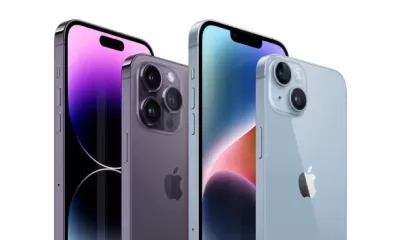

Best iPhones to Buy in 2026: Top 7 Models Compared with Features, Prices, and Expert Advice
Choosing the best iPhone to buy in 2026 is not simply about picking the newest release. With several generations still...
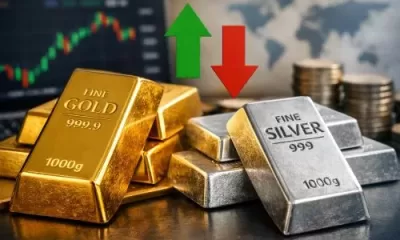

Why Gold and Silver Are Rising: What’s Driving Precious Metals’ Strong Momentum
Gold and silver are gaining strength as investors seek safe-haven assets amid global economic and geopolitical uncertainty. Silver is outperforming...