
Branding
Brand Awareness: Effective Strategies to Grow Your Business

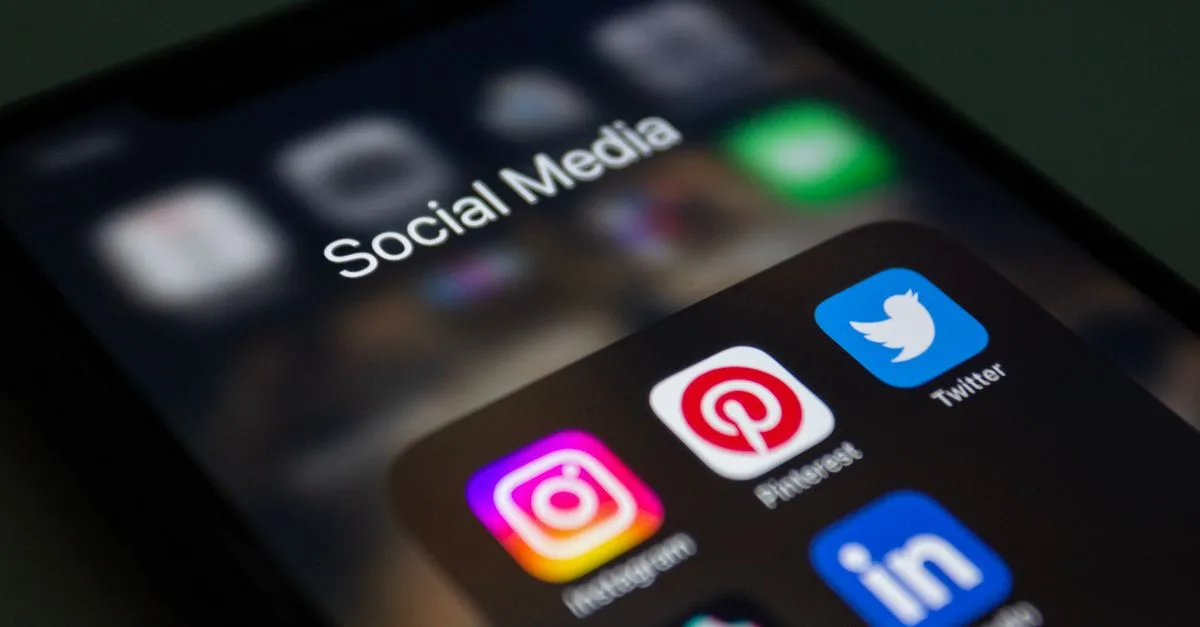
Featured image — Source: Anurag Jamwal / Pexels
Before anyone can buy from you, love you, or recommend you, they have to know you exist. That’s the job of brand awareness — how familiar your target audience is with your brand and how easily they recognise or recall it. It’s the very top of the marketing funnel and the foundation everything else is built on. A brilliant product nobody has heard of still sells nothing, which is why awareness is where most growth stories begin.
In this guide
What is brand awareness?
Brand awareness is the extent to which people are familiar with your brand and can recognise or recall it. It ranges from a faint flicker of recognition when someone spots your logo, all the way to being the automatic first name that pops into their head when a need arises. It isn’t a single on/off state; it’s a spectrum you climb over time.
It’s worth separating awareness from its cousins. Awareness is about being known. Your brand image is about how you’re perceived, and brand equity is the value that familiarity and perception create together. Awareness comes first — you can’t have a reputation with people who’ve never heard of you.
Why brand awareness matters
Awareness does more than make you visible. Familiar brands enjoy what psychologists call the mere-exposure effect: people tend to prefer things simply because they’ve encountered them before. That subtle bias means a shopper facing a shelf of options will often reach for the name they recognise, even without a rational reason.
Strong awareness also lowers your cost of doing business. When people already know you, your ads convert better, your sales team faces less resistance, and word of mouth does some of the selling for free. It compounds, too — each new customer who knows and mentions you widens the circle of people who’ll recognise you next time.
The 4 levels of brand awareness
Not all awareness is equal. Climbing from bare recognition to top-of-mind status is the real work, and it helps to know which rung you’re on.
The holy grail is that last rung, where a brand becomes shorthand for the whole category — think how people say they’ll “Google” something. Most businesses don’t need to get there, but every step up the ladder makes marketing easier and cheaper.
9 strategies to build brand awareness
There’s no single lever for awareness; it’s the result of showing up consistently in the right places. Here are nine approaches that reliably move the needle.
1. Create genuinely useful content
Helpful articles, videos, and guides pull in people searching for answers and leave them associating your name with expertise. This is the slow-burn engine behind most modern awareness.
2. Show up consistently on social media
Regular, on-brand posting keeps you in front of your audience. Consistency of voice and look matters more than volume — every post should feel unmistakably yours.
3. Keep your visual identity consistent
The same colours, logo, and typography everywhere make you instantly recognisable. A strong, consistent identity — the kind you set when you build a brand from scratch — multiplies every impression.
4. Partner with others
Collaborations, guest content, and influencer partnerships borrow someone else’s audience and introduce you to people who’d never have found you alone.
5. Invest in SEO
Ranking for the questions your audience asks puts you in front of high-intent people at the exact moment they’re looking. Organic search is awareness that keeps paying off.
6. Use paid ads strategically
Targeted ads accelerate reach when you need speed. They work best reinforcing a clear message rather than shouting into the void.
7. Give something memorable away
Free tools, templates, samples, or standout events create positive first impressions and get people talking. Memorable beats merely seen.
8. Encourage referrals and reviews
A recommendation from a friend carries more weight than any ad. Make it easy for happy customers to spread the word.
9. Sharpen your positioning
People remember brands that stand for one clear thing. Tight brand positioning makes you easier to recall and describe.
How to measure brand awareness
Awareness feels fuzzy, but you can track it with real signals. Direct and branded search traffic shows how many people are looking for you by name. Social reach, mentions, and share of voice reveal how often you come up in conversation. Surveys can measure aided recognition (“do you know this brand?”) and unaided recall (“name a brand in this category”). And website traffic sources tell you how people are finding you in the first place. Watch these over months, not days — awareness moves slowly but steadily.
Common brand awareness mistakes
The biggest trap is chasing reach for its own sake. A viral moment that reaches the wrong people, or that nobody connects to your name, is vanity, not awareness. Inconsistency is another killer: changing your look, voice, or message too often resets the recognition you’ve built. Some brands also confuse awareness with the finish line — being known means nothing if the experience that follows disappoints. And a few pour everything into paid ads while ignoring the compounding, lower-cost channels like content and SEO that build durable familiarity.
Frequently asked questions
What is brand awareness in simple terms?
It’s how well people know and recognise your brand — whether they’ve heard of you and how easily your name comes to mind.
Why is brand awareness important?
People buy from brands they know. Awareness sits at the top of the funnel, making every later step — consideration, sales, loyalty — easier and cheaper.
What is the difference between brand awareness and brand recognition?
Recognition is one level of awareness — identifying a brand when you see it. Awareness also includes recall, where people remember you without any prompt.
How do you increase brand awareness on a small budget?
Focus on compounding channels: useful content, SEO, consistent social presence, partnerships, and referrals. They cost time more than money and keep paying off.
How do you measure brand awareness?
Track branded search volume, social reach and mentions, survey-based recall, and where your traffic comes from — then watch the trend over time.
How long does it take to build brand awareness?
It’s a gradual climb measured in months and years. Consistency is what turns scattered impressions into lasting familiarity.
Key takeaways
- Brand awareness is how well people know and recall your brand — the top of the funnel.
- It climbs through four levels: recognition, recall, top of mind, and category dominance.
- Build it with consistent content, identity, social presence, SEO, partnerships, and referrals.
- Measure it through branded search, social reach, surveys, and traffic sources.
- Consistency beats one-off virality; awareness compounds when you show up the same way, everywhere.
Every enduring brand was unknown once. What changed wasn’t luck but repetition — showing up consistently, usefully, and recognisably until the name stuck. Strong brand awareness is that stickiness, the quiet familiarity that makes people choose you before they’ve consciously decided to. Start with one or two channels you can sustain, keep your identity consistent, and give it time. The brands people can’t forget simply refused to stop showing up.


Brand Loyalty: How Successful Brands Keep Customers Coming Back
Featured image — Source: Thirdman / Pexels It costs far more to win a new customer than to keep an...


Brand Awareness: Effective Strategies to Grow Your Business
Featured image — Source: Anurag Jamwal / Pexels Before anyone can buy from you, love you, or recommend you, they...

Brand Equity Explained: Meaning, Importance, and Examples
Featured image — Source: Ann H / Pexels Two bottles of fizzy brown cola sit side by side. One is...


Brand Positioning: Definition, Strategies, and Real-World Examples
Featured image — Source: Leeloo The First / Pexels Two coffee shops sit on the same street, sell a similar...

Brand Identity vs Brand Image vs Brand Reputation: Key Differences
Featured image — Source: Eva Bronzini / Pexels Ask ten marketers to explain the difference between brand identity vs brand...

How to Build a Brand From Scratch: A Step-by-Step Guide
Featured image — A brand starts with strategy, not a logo. Source: Walls.io / Pexels Every business you admire started...


What Is Branding? A Complete Beginner’s Guide
Ask ten people what branding means and you’ll get ten different answers. Some say it’s your logo. Others point to...


Best Perfume Brands in India (2026): Top Luxury & Affordable Fragrances Ranked
Choosing from the best perfume brands in India has never been more exciting — or more confusing. Walk into any...


Elon Musk: Business Leader Behind Tesla, SpaceX, and xAI
Quick Facts Field Details Full Name Elon Reeve Musk Born June 28, 1971 Birthplace Pretoria, South Africa Nationality South African,...


Best Places to Visit in Vietnam – Complete Travel Guide
Vietnam is one of the most rewarding destinations in Southeast Asia. It’s a country where emerald bays meet towering limestone...