
Technology
Minimalist Branding: A Lifestyle Trend Backed by Data

Okay, I’ll admit something weird. A few months ago, I bought toothpaste—not because I needed toothpaste (I mean, I did), but because the packaging looked… calming?
It was just this plain white tube, lowercase letters, black font, no fancy icons or wild minty graphics. It looked like the toothpaste equivalent of meditation.
And it made me feel weirdly seen. Like, yes, thank you—finally, a brand that isn’t yelling at me through holographic lightning bolts and glitter fonts. That one tube said, “We’re good. No need to shout.”
That’s when it hit me: minimalist branding isn’t just a design fad. It’s something deeper. Emotional. Personal. A reaction to how freaking loud the world has gotten.
And yeah—there’s actual data to back that up. (Because feelings are cool, but numbers get funding.)
Life Is Loud, So Brands Got Quiet
You ever open a cupboard and feel like everything in it is yelling at you? Energy bars with “MAX CRUNCH BLAST” in red. Protein powders with neon lightning bolts. It’s like living inside a softcore action movie.
So when a product just… exists? No clutter, no chaos? That’s powerful.
Minimalist branding is the opposite of performative. It’s the marketing equivalent of a friend who listens more than they talk. Which honestly? We all need right now.
There was this stat I found (can’t remember if it was from Siegel +Gale or PwC, but it checks out): over 60% of people say they prefer brands that make their lives simpler. And something like two-thirds would actually pay more for that simplicity.
We don’t want more. We want less, done better.
A Personal Side Note (Skip If You Hate Tangents)
I once stood in a cereal aisle for 15 minutes and left without buying anything. There were just too many options. Crunchy flakes. Soft flakes. Heart-healthy. Heart-dangerous but tasty. I froze.
A week later, I ordered granola from a small brand online. It came in a matte bag with like, 3 words on it. One flavor. No buzzwords. And I bought it in 11 seconds flat.
That’s the thing—minimalist branding doesn’t just look nice. It functions better. It calms the brain. It clears the mental clutter. It’s anti-anxiety branding, honestly.
The Psychology Behind It (But I Swear This Isn’t a Lecture)
There’s a reason we crave this stuff. It’s called cognitive fluency. Basically, our brains love when things are easy to process. The simpler something looks or feels, the more we tend to trust it.
So when a brand shows up clean, calm, and clear? Our brains go, “Ahhh. Yes. This I understand.”
And Google (of course) figured this out ages ago. They ran some UX tests and found people instantly liked simpler websites more. Like, in under 50 milliseconds. Literally faster than the time it takes to blink.
That gut feeling you get when something just “feels right”? It’s not a vibe. It’s neurology.
Why Minimalist Branding Isn’t Just for the Cool Kids
Sure, Apple basically built its entire empire on the back of minimalism. But it’s not just tech giants riding this wave.
Some of the best branding I’ve seen lately? Tiny candle shops on Instagram. Indie coffee roasters. One-person Etsy stores selling hand-poured soap.
And you know what they all have in common? They’re not trying to do everything. They pick one mood, one font, one feeling—and stay there.
There’s something wildly reassuring about that. You get the sense that the person behind the brand isn’t overcompensating. They just know what they’re about. And honestly, that’s kind of rare these days.
When Minimalism Goes Too Far (And Just Feels… Empty?)
Okay. Let’s be honest.
Some brands go full minimalist and end up looking like they forgot to be anything. You know the ones. Their logo is just a sad little dot. Their copy says things like “redefine everything” but tells you nothing.
That’s not minimalist. That’s lazy.
Minimalism isn’t the absence of personality. It’s clarity of it.
Good minimalist branding still tells a story. It just tells it quietly. It doesn’t need 12 slogans and a YouTube ad campaign. It just needs one honest sentence in a nice font, and the guts to say, “Yeah, this is enough.”
Social Media Totally Reinforced the Vibe
Remember when everyone’s Instagram feed looked like a magazine explosion? Now it’s all beige walls, one coffee mug, one houseplant. It’s like we all collectively decided to become soft and neutral. (I’m not complaining.)
And brands picked up on that. Real fast.
A 2020 study from Later (that IG scheduling app) said minimalist-looking posts performed better than loud, over-designed ones. Like 20-something percent better engagement. That’s not subtle.
Turns out, your eyes—and your thumb—prefer less chaos too.
The “Lifestyle” Part? That’s Real Too
Minimalist branding wouldn’t have taken off if people weren’t already craving a slower life. A quieter one. We’ve all been decluttering, deleting apps, unsubscribing from newsletters we never read anyway.
So when a brand shows up with that same energy? It just clicks.
It’s not just about clean fonts and soft packaging—it’s about saying, “We’re not here to sell you 17 things you don’t need. Just one good thing.”
And weirdly, that feels luxurious now. Not having more—but having enough.
Final Thoughts, Because I’m Rambling Now
Here’s what I think, bottom line:
We’re not choosing minimalist branding because it’s pretty. We’re choosing it because the world feels full, and we’re tired, and this kind of branding feels like a deep breath.
Also, the data supports it. But even if it didn’t, I think we’d still choose the toothpaste with the quiet packaging. The tea with the soft label. The app that just works and doesn’t ping us every five seconds.
So if you’re building a brand—or even just refreshing your own personal style—maybe think about subtracting instead of adding.
See what’s left. You might like the quiet.
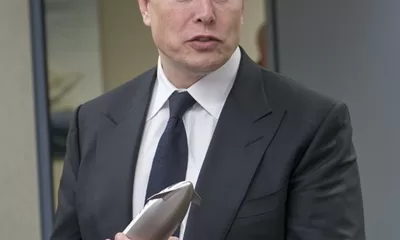

Elon Musk: Business Leader Behind Tesla, SpaceX, and xAI
Quick Facts Field Details Full Name Elon Reeve Musk Born June 28, 1971 Birthplace Pretoria, South Africa Nationality South African,...


Best Places to Visit in Vietnam – Complete Travel Guide
Vietnam is one of the most rewarding destinations in Southeast Asia. It’s a country where emerald bays meet towering limestone...
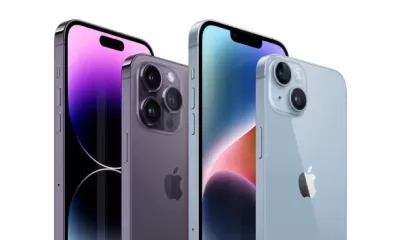

Best iPhones to Buy in 2026: Top 7 Models Compared with Features, Prices, and Expert Advice
Choosing the best iPhone to buy in 2026 is not simply about picking the newest release. With several generations still...
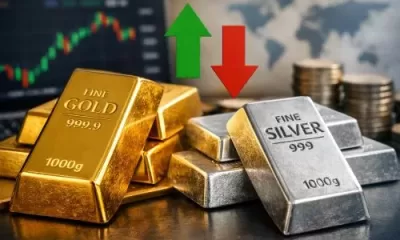

Why Gold and Silver Are Rising: What’s Driving Precious Metals’ Strong Momentum
Gold and silver are gaining strength as investors seek safe-haven assets amid global economic and geopolitical uncertainty. Silver is outperforming...


Best Hospitals in India for Heart Surgery – Top Cardiac Care Centers in 2026
Heart disease is a significant health challenge in India and worldwide. With rising incidence of coronary artery disease, heart attacks,...


Best Airline Loyalty Programs in 2026: Which Frequent Flyer Programs Are Really Worth It?
Spend enough time in airports and you’ll notice something interesting. Some travelers move effortlessly — priority check-in, lounge access, early...


Best Medical Schools in the US in 2026: A Complete and Easy Guide for Future Doctors
Choosing from the best medical schools in the US is one of the most important decisions in a future doctor’s...

Cars Below 15 Lakhs in India: The Complete Buyer’s Guide for 2026
The Indian automobile market in 2026 has entered a value-driven era. Buyers no longer need to exceed their budget to...


Cuisine of the Middle East: Flavours That Carry History on Every Plate
There’s a reason people speak of the cuisine of the Middle East with a certain reverence. It isn’t simply about...

Credit Card With Benefits Best: How to Maximize Value
Credit cards have become part of everyday life — from paying utility bills to booking travel online. But today, a...