
Technology
From NFTs to AR: How Tech Tools Are Totally Changing the Way We Experience Brands
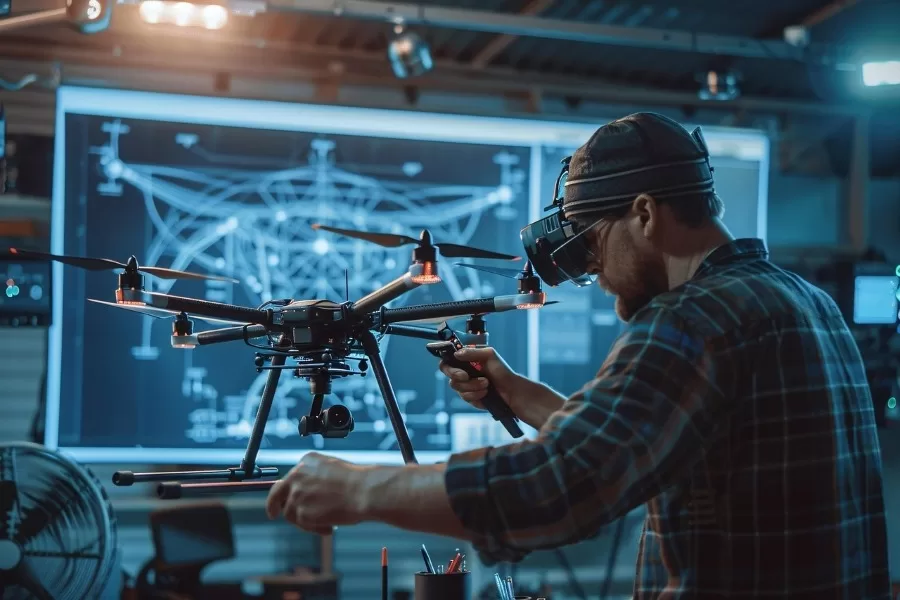
We’re living in a strange little moment where the lines between tech, identity, and branding are all starting to blur. You notice it, right?
Like, you open Instagram and there’s a filter from some luxury fashion house letting you “try on” their sunglasses. Or you hear about someone paying five grand for an NFT hoodie they can’t physically wear. What even is that?
But here’s the weird part—it’s kind of working.
The brands that used to be one-dimensional are now becoming experiences. And the tools making that possible? Things like NFTs, AR, AI, and a whole bunch of other digital magic that, five years ago, most of us couldn’t explain at a dinner table.
So let’s break it down. Not like a tech journalist. Just like a regular person who’s been paying attention.
NFTs: They’re Not Dead (Even If the Hype Is)
When NFTs first blew up, I’ll admit it—I thought it was a joke. Like, who’s paying $100K for a pixelated ape? But once the dust settled, something interesting was left behind.
NFTs, at their best, give you more than an image. They give you access. To stuff. To people. To experiences.
I saw a music artist drop an NFT that unlocked an invite to a private listening party and a signed vinyl. That felt different. Like a cooler version of a fan club.
Fashion’s doing this too. You buy a digital wearable—some crazy designer jacket—and along with it, you get into a members-only space online, or maybe a real-world launch party.
It’s not about flexing (well, sometimes it is), it’s about belonging. Smart brands know that. The NFT becomes a digital handshake between you and the brand, saying “you’re in.”
AR: Trying Things On Without Trying at All
AR is maybe my favorite out of all these tech tools. Mainly because it feels useful. Practical. But also kind of magical.
The first time I used an AR app to drop a virtual sofa into my living room, I was low-key amazed. Like—wait—I can spin this thing, move it, see if it fits under my window? This is genius.
Beauty brands are doing this now too. You pull up your camera, pick a lipstick shade, and boom—it’s on your face. No mess, no wasted money. Just vibes.
But AR’s not only about convenience. It’s also about play. I saw a whiskey brand do this campaign where you scan the label and suddenly your bottle becomes animated, telling the story of the distillery. It was unexpected—and kinda delightful.
That’s what AR does best. It doesn’t scream “look at us!” like a billboard might. Instead, it winks at you and says, “Hey, want to see something cool?”
A Quick Side Note: Tech Isn’t the Star, It’s the Stage
This part’s important.
I think a lot of brands fall into the trap of thinking tech is the experience. Like, if we just slap an NFT on this or throw in a VR headset, people will care.
Nope.
The tech’s only as good as the story it tells or the problem it solves. And people can sniff out a cash grab from a mile away. We don’t need more noise—we need stuff that feels like it’s made for us.
Some Other Tools You’re Probably Seeing (But Don’t Think About)
Let’s rapid-fire through a few more examples that aren’t quite as buzzy, but totally shaping branding right now:
- AI chatbots with vibes — These aren’t your old-school “How may I help you?” bots. Some are cheeky, funny, even emotional. One clothing brand I follow has a bot that tells you what to wear based on your mood. Sounds silly. Works surprisingly well.
- Wearables that talk back — Some fitness brands are linking up with Apple Watches or Fitbits and adjusting your app experience in real time. Hit your goal for the week? Surprise coupon. Haven’t moved in hours? Friendly nudge (maybe with a bit of sass).
- Virtual stores — Not just websites, but 3D stores. You walk around (with your mouse), click on stuff, hear audio clips, see behind-the-scenes videos. It’s retail therapy meets video game.
All of this feels like baby steps toward a bigger shift. One where the line between customer and community, or product and experience, disappears entirely.
A Thought Experiment: What If This Was Normal?
Let’s imagine something.
You’re on your phone one night and get a ping from a sneaker brand you follow. There’s a mysterious new drop, but it’s invite-only. You click the link and—boom—you’re looking through your phone’s camera into your bedroom.
Except now, there’s a glowing doorway hovering over your floor. You walk toward it, tap your screen, and step into a virtual pop-up. There’s music, lights, a digital wall of sneakers. You browse around, and one pair catches your eye.
Click it, and you’re told: “Unlock early access by solving this puzzle.” You do it. You win. The sneakers drop into your cart—plus a digital badge that gives you 20% off your next order and a pass to the next drop.
Sounds futuristic? Not really. Everything I just described exists. It’s just not mainstream yet.
But soon, it might be.
Real Talk: Is All of This Good?
Honestly? Depends.
Sometimes it feels like brands are throwing tech at us just to seem modern. Other times, they’re actually using it to create something memorable.
For me, the difference comes down to one thing: intention.
If you’re using AR just to show off? Meh. But if you’re using AR to help someone find a couch that fits their space and their vibe? That’s meaningful.
If your NFT does nothing but sit in a wallet? Pass. But if it opens doors—literal or figurative—that’s something worth talking about.
So, Where’s It All Going?
Nobody really knows. That’s the fun part.
But I’d bet this: brand loyalty won’t be built on catchy slogans or sleek ads anymore. It’ll be built on experiences. On the way a brand makes you feel when you interact with it—whether through your phone, your watch, or some digital item you own.
Tech will keep evolving. Faster than we expect. But the human part—the part where someone says, “This brand gets me”? That’s timeless.
Quick Takeaway (No Corporate Jargon, Promise)
If you’re a brand, here’s the cheat code: use tech to connect, not distract.
And if you’re just a regular person trying to make sense of all this? Don’t overthink it. Let the experiences speak for themselves. If something feels genuine, lean in. If it feels like a gimmick, trust your gut.
Because the brands that are going to win the future? They’re not just building stuff. They’re building moments.


Elon Musk: Business Leader Behind Tesla, SpaceX, and xAI
Quick Facts Field Details Full Name Elon Reeve Musk Born June 28, 1971 Birthplace Pretoria, South Africa Nationality South African,...


Best Places to Visit in Vietnam – Complete Travel Guide
Vietnam is one of the most rewarding destinations in Southeast Asia. It’s a country where emerald bays meet towering limestone...

Best iPhones to Buy in 2026: Top 7 Models Compared with Features, Prices, and Expert Advice
Choosing the best iPhone to buy in 2026 is not simply about picking the newest release. With several generations still...


Why Gold and Silver Are Rising: What’s Driving Precious Metals’ Strong Momentum
Gold and silver are gaining strength as investors seek safe-haven assets amid global economic and geopolitical uncertainty. Silver is outperforming...


Best Hospitals in India for Heart Surgery – Top Cardiac Care Centers in 2026
Heart disease is a significant health challenge in India and worldwide. With rising incidence of coronary artery disease, heart attacks,...


Best Airline Loyalty Programs in 2026: Which Frequent Flyer Programs Are Really Worth It?
Spend enough time in airports and you’ll notice something interesting. Some travelers move effortlessly — priority check-in, lounge access, early...


Best Medical Schools in the US in 2026: A Complete and Easy Guide for Future Doctors
Choosing from the best medical schools in the US is one of the most important decisions in a future doctor’s...

Cars Below 15 Lakhs in India: The Complete Buyer’s Guide for 2026
The Indian automobile market in 2026 has entered a value-driven era. Buyers no longer need to exceed their budget to...


Cuisine of the Middle East: Flavours That Carry History on Every Plate
There’s a reason people speak of the cuisine of the Middle East with a certain reverence. It isn’t simply about...

Credit Card With Benefits Best: How to Maximize Value
Credit cards have become part of everyday life — from paying utility bills to booking travel online. But today, a...