
Technology
How AI Is Revolutionizing Brand Storytelling: A Marketer’s Messy, Honest Take
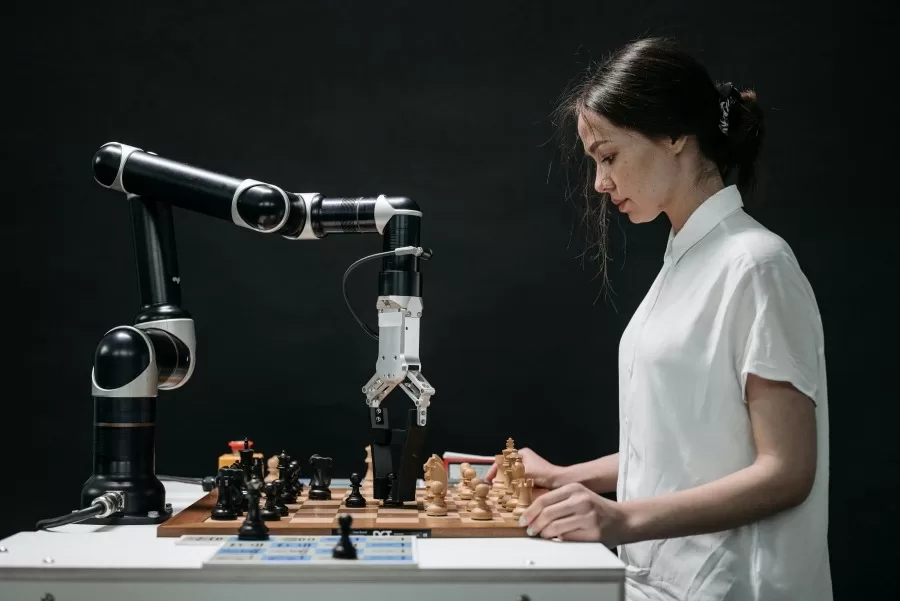
Let me start by saying something a little controversial for someone who works in marketing: I don’t always trust AI.
Yep, I said it.
But I also can’t stop using it. And honestly, if you’re in branding or storytelling right now and you’re not using AI in some form, you’re either a purist (no shade) or you’re missing out on some wild tools that are changing how we connect with people.
Because make no mistake—AI is revolutionizing brand storytelling. Not in some sterile, “future is here” kind of way. I’m talking about messy, surprising, awkward, sometimes brilliant ways. Let’s get into it.
The Old School Way of Brand Storytelling (AKA: Blood, Sweat & Moodboards)
Before AI started creeping into every tool I use, storytelling was this gritty, intuitive process. You’d spend days digging through customer research, trying to understand your audience like a friend. You’d sit in a conference room arguing about whether a brand was more “rebellious explorer” or “wise teacher.” You’d write ten versions of a tagline before finding one that didn’t make you cringe.
There was beauty in that chaos. And a lot of late nights.
But the truth is, while humans are great at creating emotional narratives, we suck at speed and scale. And that’s where AI came stomping into the room—wearing boots, not slippers.
AI as Your Brainstorming Buddy (Who Never Sleeps)
One of the weirdest parts of AI’s rise is how it’s become the most tireless brainstorming partner I’ve ever had. Got writer’s block? Plug a few ideas into a language model. Want ten versions of a headline in five seconds? Done. Curious how a campaign might resonate in Mumbai vs. Madrid? Translate and localize instantly.
Is every idea AI gives you amazing? No. A lot of it is mediocre. Some of it is straight-up cringeworthy.
But here’s the thing: when you’re staring at a blank doc at 11:47 p.m. with a deadline breathing down your neck, even “meh” ideas can spark something.
I once asked ChatGPT to give me product description ideas for a skincare brand that wanted to sound like “a beach bonfire in a bottle.” What came back was mostly useless, but one weird metaphor—“sunset in your pores”—made me laugh enough to keep going. Eventually, it led to a tagline the client actually approved.
So yeah, AI doesn’t replace my brain. But it definitely greases the wheels.
Data-Driven Storytelling (Without Losing the Soul)
Here’s where things get juicy. We used to create personas based on surveys, assumptions, and gut instincts. Now? We can feed AI thousands of data points—reviews, purchase behavior, even social media comments—and get insights we’d never see ourselves.
For example, a friend of mine runs content for a startup that sells meal kits for diabetics. She ran their customer feedback through a natural language processing tool and discovered that people weren’t buying just for health reasons. They were buying because they were scared. Scared of losing control, of cooking the wrong thing, of not being there for their kids.
Boom. That changed the whole storytelling angle from “convenient and nutritious” to “empowering you to feel safe and confident in the kitchen.”
Would a human have eventually figured that out? Maybe. But AI helped her get there faster and with receipts.
Hyper-Personalization: Blessing or Creep-Fest?
One of the biggest ways AI is revolutionizing brand storytelling is through personalization. Not just “Hi [First Name]” level personalization. I mean dynamic content that shifts based on your behavior, interests, and even your mood (hello, sentiment analysis).
Have you ever browse for hiking boots and then suddenly your Spotify ad sounds like it’s narrated by a park ranger? That’s AI-fueled storytelling adapting to you. It’s part magic, part surveillance. Depending on your view.
There’s definitely a line. Sometimes brands cross it and it feels invasive. But when it’s done right, it feels like the brand gets you. Like they’re speaking directly to your weird little corner of the internet life. And let’s be honest—when was the last time you felt truly seen by a brand? That stuff sticks.
Visual Storytelling: AI Isn’t Just Writing Your Copy
We tend to focus a lot on AI text generators (hi, guilty). But visual storytelling is getting its own AI glow-up. Tools like Midjourney, DALL·E, and Runway are changing how we mock up campaigns, design logos, or even create video narratives.
I’ve used AI-generated storyboards to pitch concepts to clients when the budget didn’t allow for a full shoot. A friend in fashion marketing created an entire campaign concept using AI-generated models styled in fictional outfits. It got approved—and funded.
Do I sometimes miss the hand-drawn sketches and moody Polaroids taped to a corkboard? Of course. But AI gives us speed, flexibility, and experimentation on a level we’ve never had before.
And sometimes, it’s just fun. (Seriously, try asking an AI image generator to imagine “luxury meets alien rave” and tell me you don’t get inspired.)
The Dark Side: Generic Content, Ethical Headaches & Human Disconnection
Okay, let’s take off the rose-colored glasses for a sec.
AI can make storytelling easier, but it can also make it lazier. I’ve seen so many brands fall into the trap of letting AI do all the work—spitting out cookie-cutter captions, meaningless slogans, or soulless video scripts that sound like they were written by a marketing robot (because, well… they were).
There’s also the question of bias. If your training data is flawed, your AI output will be too. And don’t even get me started on deepfakes and the ability to manipulate video or voice in a way that blurs ethical lines.
But the biggest risk, in my opinion? Losing humanness. The quirks. The mistakes. The imperfect but real emotion that makes a story stick.
AI can help us scale storytelling. It can even help us shape it. But it can’t replace the spark that comes from real human experience. That part is still all us.
So… What Does a Brand Storyteller Actually Do Now?
Great question. I’ve asked myself this more than once.
In a world where AI can generate headlines, edit videos, analyze data, and even simulate emotions, where does that leave the actual human storytellers?
Here’s my current theory: we become editors, curators, and emotion wranglers.
We still drive the heart of the story. We’re just using smarter tools to shape it faster, test it better, and share it farther. We focus less on the mechanics of storytelling and more on the meaning. The strategy. The why behind the words.
And honestly? That’s not such a bad gig.
A Hypothetical Scenario (Because Why Not?)
Imagine you’re launching a new coffee brand targeted at remote workers who are burnt out, nostalgic, and craving moments of comfort between Zoom calls. Instead of guessing what resonates, you feed customer reviews, Reddit threads, and Twitter posts into an AI tool.
The AI tells you: these people don’t want just caffeine. They want ritual. They miss the sound of the café door. The smell of beans. The small talk with the barista.
Now you’re not selling coffee. You’re selling a micro-moment of peace.
You use AI to generate mood boards, test headlines, simulate Instagram captions, and even predict which type of content (ASMR café sounds? Handwritten packaging notes?) will hit best.
Then you, the human, tie it all together into a campaign that feels like a warm hug.
That, right there, is the sweet spot where AI and brand storytelling meet.
The Bottom Line: Let AI Be the Tool, Not the Voice
So yeah. AI is revolutionizing brand storytelling. But not by replacing storytellers. By amplifying us.
It gives us more power, more data, more tools. But it still needs our weird metaphors, our sense of irony, our gut instincts.
Use it. Question it. Argue with it. Break it. Shape it. Just don’t lose yourself in it.
Because of the best brand stories? The ones that actually move people? They don’t come from machines. They come from messy, curious, beautifully human minds—just a little faster now.
Reflection:
At the end of the day, AI is just another chapter in the evolution of storytelling. Maybe a dramatic chapter. Maybe one with plot twists we haven’t seen coming yet. But if we stay thoughtful—if we use AI to support creativity, not replace it—we might just tell stories that are more powerful, more personal, and more resonant than ever before.


Best Phones Under 20000 in India 2026: Top 7 Picks
Finding the best phones under 20000 in India has never been this rewarding. In 2026, this price band buys a...


Brand Loyalty: How Successful Brands Keep Customers Coming Back
Featured image — Source: Thirdman / Pexels It costs far more to win a new customer than to keep an...


Brand Awareness: Effective Strategies to Grow Your Business
Featured image — Source: Anurag Jamwal / Pexels Before anyone can buy from you, love you, or recommend you, they...

Brand Equity Explained: Meaning, Importance, and Examples
Featured image — Source: Ann H / Pexels Two bottles of fizzy brown cola sit side by side. One is...

Best Phones Software Updates in 2026: How Many Years of Support Every Brand Gives
When you buy a phone in 2026, the spec that quietly matters most isn’t the camera or the chip —...

Brand Positioning: Definition, Strategies, and Real-World Examples
Featured image — Source: Leeloo The First / Pexels Two coffee shops sit on the same street, sell a similar...

Brand Identity vs Brand Image vs Brand Reputation: Key Differences
Featured image — Source: Eva Bronzini / Pexels Ask ten marketers to explain the difference between brand identity vs brand...

How to Build a Brand From Scratch: A Step-by-Step Guide
Featured image — A brand starts with strategy, not a logo. Source: Walls.io / Pexels Every business you admire started...


What Is Branding? A Complete Beginner’s Guide
Ask ten people what branding means and you’ll get ten different answers. Some say it’s your logo. Others point to...


Best Perfume Brands in India (2026): Top Luxury & Affordable Fragrances Ranked
Choosing from the best perfume brands in India has never been more exciting — or more confusing. Walk into any...