
Education
Public vs Private Universities in the US: Key Differences

Okay, so… I have to admit. When I first started looking at colleges in the U.S., I had no idea what I was doing. Public? Private? I knew public schools were “cheaper” or “state-funded,” and private ones were “prestigious” and “expensive,” but that’s about it. And honestly, the more I read, the more confused I got. Every article seemed like it was either trying to sell me a school or make everything sound super technical.
So I decided to just… think it through out loud. Like, what actually matters when you’re comparing public vs private universities in the US? And, spoiler: it’s not as simple as “money vs prestige.”
Money, tuition, and all that scary stuff
Alright, so first, the money part. Let’s be honest—this is what freaks everyone out. Public universities are usually cheaper if you’re an in-state student. Take, like, UC Berkeley or the University of Michigan. In-state? Totally manageable. Out-of-state? Yeah… brace yourself. And private universities? The sticker price can make your jaw drop. $60k a year? Yeah, no thanks.
But here’s the thing—private schools often have scholarships and financial aid that can completely flip the story. I mean, my friend Sarah? She was convinced she couldn’t afford a private school. She applied anyway, got aid, and ended up paying less than some of her public school options. Totally wild, right?
And then you have all the hidden stuff—room, board, meal plans, activity fees, health insurance. Those numbers add up quick. So the sticker price is scary, but the real cost might be… not as scary as you think. Or maybe it’s even worse, who knows? You really have to dig in.
Class sizes: tiny seminars vs huge lecture halls
This one is… well, obvious but important. Public universities can be huge. Like, hundreds of students in one class. You’re sitting there, trying to take notes while the professor talks to a podium 50 feet away. Honestly, it’s intimidating.
Private universities? Way smaller classes. Sometimes fewer than 20 students. Professors know your name. They ask for your opinion. Sometimes they even remember what you said last week. I had a cousin who hated her giant intro biology lecture at a public university. She said she felt like just another face. Her friend at a private university? Loved the small seminars. Felt like a conversation, not a conveyor belt.
But here’s the nuance—not all public universities are huge, and not all private universities are small. Honors programs, special tracks, department size—it all matters. So, yeah… class size is important, but don’t assume based on public/private alone.
Campus life: chaos vs cozy
Public universities are basically small cities. There’s always something happening: concerts, protests, clubs, festivals. Honestly, it can be exhausting just thinking about it. I had a friend who thrived in that chaos—she loved the energy, the variety, the people everywhere.
Private universities often feel… smaller, more intimate. Traditions matter. Alumni engagement is strong. You get to know people. Some students love that. Others feel trapped. My cousin? Loved her private school because she liked the cozy feeling. My friend? Loved her public school because she needed noise, activity, randomness. Both happy, just very different experiences.
Research: big labs vs personal mentorship
If research is your thing, both types have pros and cons. Public universities often get huge federal and state grants, which means big labs, big projects, lots of resources. But… because there are so many students, competition is tough. You have to hustle to get noticed.
Private universities sometimes have smaller research programs but offer more mentorship. I met a student who got involved in a faculty project as a sophomore—something she might not have gotten at a big public school.
But then her friend at a public university ended up on a multi-million-dollar funded project that no private school could match. So, trade-offs. Big school = resources, scale, lots of competition. Small school = mentorship, attention, maybe less scale.
Alumni networks: connections, connections, connections
Okay, so networking. Private universities usually have tight, influential alumni networks. Public universities have massive alumni bases, sometimes dominating regions. Want a Wall Street internship? Private school might help. Want to run a business in Texas? Public school network might be stronger locally.
But honestly… the network is only as good as how you use it. Internships, clubs, volunteering, reaching out—this stuff matters way more than just the school’s label.
Admissions: numbers vs stories
Public universities often focus on numbers: GPA, test scores, residency. Private universities? Holistic. Essays, extracurriculars, recommendations, interviews.
If you’re strong academically but not super involved outside class, public might be easier to get into. If you have a compelling story, private might love that. And don’t assume private = “better.” Some top-tier public universities are insanely competitive, especially for out-of-state applicants.
Diversity: regional vs global
Diversity is… interesting. Public universities pull students from all over the state or region, which gives you a mix of backgrounds. Private universities often recruit internationally, so you might meet more people from abroad. Both are great, but the vibe is different.
I knew a friend who loved meeting people from all over her state. Another loved the mix of international students at her private school. Both had rich experiences, just different flavors.
Location & campus size
This is more important than I thought. Public universities usually have sprawling campuses, sometimes suburban or rural. Private universities might be in cities, or small, cozy campuses.
Think about it: private college in Boston vs public university in rural Michigan. Both teach the same stuff, but daily life? Totally different. Weekend plans, social life, internships, commuting… all changed.
Programs & flexibility
Public universities usually have a ton of majors, minors, and interdisciplinary programs. You can switch fields without leaving campus. Private universities are often more specialized, but provide structured guidance.
If you’re undecided… public schools = buffet. Know what you want? Private schools might guide you better.
Sports, clubs, and extracurriculars
Public universities often have huge sports programs, tons of clubs, crazy variety. Private universities might have smaller clubs, but traditions and depth are strong. Want to join 3-4 clubs at once? Public school. Want deep involvement in one tradition? Private school.
The bottom line
Honestly… public or private? Neither is inherently better. Fit matters most. Chaos, energy, scale? Go public. Intimacy, mentorship, cozy community? Go private. Personality, goals, lifestyle—it’s all bigger than labels.
Visit campuses. Eat in the dining hall. Walk around. Which place feels like home? That’s the key. College is what you make it. Classes, clubs, internships, friendships—they all count. Public or private, dive in. Don’t stress about prestige.


Elon Musk: Business Leader Behind Tesla, SpaceX, and xAI
Quick Facts Field Details Full Name Elon Reeve Musk Born June 28, 1971 Birthplace Pretoria, South Africa Nationality South African,...


Best Places to Visit in Vietnam – Complete Travel Guide
Vietnam is one of the most rewarding destinations in Southeast Asia. It’s a country where emerald bays meet towering limestone...
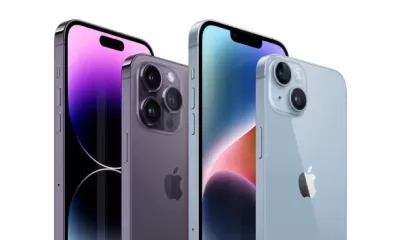

Best iPhones to Buy in 2026: Top 7 Models Compared with Features, Prices, and Expert Advice
Choosing the best iPhone to buy in 2026 is not simply about picking the newest release. With several generations still...


Why Gold and Silver Are Rising: What’s Driving Precious Metals’ Strong Momentum
Gold and silver are gaining strength as investors seek safe-haven assets amid global economic and geopolitical uncertainty. Silver is outperforming...


Best Hospitals in India for Heart Surgery – Top Cardiac Care Centers in 2026
Heart disease is a significant health challenge in India and worldwide. With rising incidence of coronary artery disease, heart attacks,...


Best Airline Loyalty Programs in 2026: Which Frequent Flyer Programs Are Really Worth It?
Spend enough time in airports and you’ll notice something interesting. Some travelers move effortlessly — priority check-in, lounge access, early...


Best Medical Schools in the US in 2026: A Complete and Easy Guide for Future Doctors
Choosing from the best medical schools in the US is one of the most important decisions in a future doctor’s...


Cars Below 15 Lakhs in India: The Complete Buyer’s Guide for 2026
The Indian automobile market in 2026 has entered a value-driven era. Buyers no longer need to exceed their budget to...


Cuisine of the Middle East: Flavours That Carry History on Every Plate
There’s a reason people speak of the cuisine of the Middle East with a certain reverence. It isn’t simply about...


Credit Card With Benefits Best: How to Maximize Value
Credit cards have become part of everyday life — from paying utility bills to booking travel online. But today, a...