
Technology
AI Video Tools Are Quietly Revolutionizing Content Creation — And It’s Honestly Wild
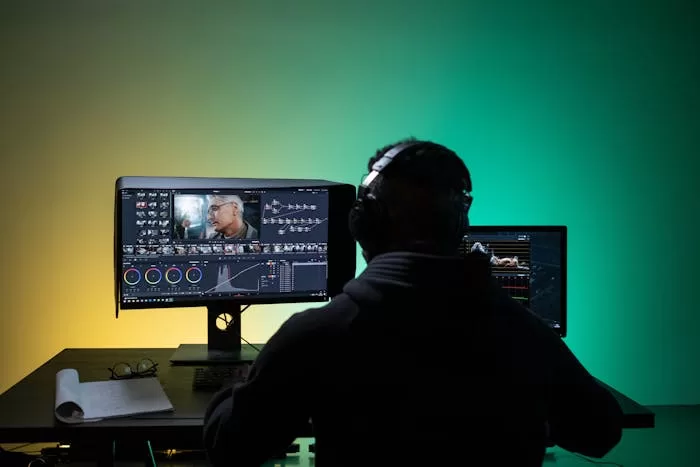
A while back, I remember struggling through a 12-hour edit for a client video that ended up getting… 83 views. Total. No lie, it almost made me quit content altogether. Between scrubbing through footage, finding royalty-free music that didn’t suck, and timing captions manually, the process felt more like punishment than creation.
Flash forward to now — I literally turned a blog post into a talking-head Instagram Reel in under 5 minutes using a tool called Pictory. AI picked out stock footage, generated subtitles, and even added music. While I was making tea. I’m still wrapping my head around it.
We’re not in the future — we’re smack in the middle of it.
What’s Actually Happening Here?
Let’s be real — AI video tools are changing the game. Not because they’re replacing creators (they’re not), but because they’re flipping the old workflow on its head.
We used to start with raw footage and slowly shape it into something watchable. Now, we often start with an idea — maybe a script or even just a topic — and the tools help us reverse-engineer the visuals. That’s a huge mental shift.
Need to turn your podcast episode into a week’s worth of short-form videos? Done. Want to make a professional explainer with no camera, lights, or mic? There’s an app for that — probably five, actually.
Why It’s More Than Just “Saving Time”
Yes, AI speeds things up. No question. But the deeper benefit is how it opens doors for people who were shut out before.
You don’t need a $2,000 camera or a full Adobe suite anymore. Heck, you barely need editing experience. If you can write a script or talk into your phone, you can make a professional-looking video now. That’s… democratization. It sounds cliché, but it’s true.
Take Descript, for example. You edit a video by editing the transcript. Cut a word, and the video automatically adjusts. I’ve used it to cut interviews without touching a timeline once.
Tools like Runway or Veed.io? They’ll clean up your audio, color-grade footage, add subtitles, and remove awkward silences — automatically. Some even let you generate video from text prompts. I know, it sounds fake. It’s not.
Real Talk: Is It Cheating?
I asked myself this a lot early on.
If a tool selects clips for me, adds captions, and chooses transitions — am I still a video editor? Or am I just pressing buttons?
But here’s the thing — creative work was never just about pushing buttons. It’s about judgment, story, voice, style. AI tools don’t write your message for you (at least not yet). They help you express it faster, sometimes more clearly. The artistry isn’t gone — it just moved upstream.
Honestly? I spend more time now refining my voice and less time fiddling with settings I don’t really understand.
A Quick Breakdown of the Tools I’m Actually Using
Let me give you the real shortlist — not the ones that popped up in a random Google search, but ones I’ve tested in the trenches:
- Descript: My go-to for interviews and podcast edits. It’s like editing in Google Docs, but for video. It still surprises me how intuitive it feels.
- Pictory: I use it to turn long-form content — like blog posts or webinars — into bite-sized, social-friendly videos. Good for people who hate being on camera.
- Runway ML: This one’s a little techy but powerful. It can remove backgrounds, objects, even people. The video generation tools? Kind of mind-blowing.
- HeyGen: This is the avatar stuff. You write the script, pick a virtual presenter, and boom — studio-quality video without picking up a camera.
- Opus Clip: If you’re repurposing long videos for TikTok, this tool pulls out the “viral” moments and edits them for vertical formats. It’s spooky-good at spotting interesting bits.
All of these are helping creators (and businesses, honestly) do more with less.
The Repurposing Revolution
Here’s a scenario I see play out weekly:
A coach records a Zoom call or course module. Before AI, they’d post it once, maybe chop it into two videos if they had time. Now? That one call becomes:
- A LinkedIn post
- 3–5 Instagram Reels
- A subtitled YouTube Short
- A quote graphic
- A full blog post using transcript-to-text tools
All in under an hour. That’s not theory — I’ve done it. It’s exhausting how easy it is once you’re in the groove.
But What About Quality?
Good question. Automation can’t fix bad content. If your message is vague or your delivery is flat, even the smartest AI won’t save it.
And sometimes, yes, these tools can feel “templated.” That’s why your human eye still matters. I still review everything. Tweak transitions. Cut lines that feel robotic. The tools are smart, but they aren’t you.
Which is kind of the point — you’re still the artist here. You just have a faster paintbrush now.
Who Should Be Paying Attention?
Honestly? Anyone creating content regularly. Whether you’re:
- A startup founder making pitch videos
- A freelancer trying to build your personal brand
- A teacher creating learning material
- Or just someone with a voice and something to say
AI video tools help you skip the hard part and get to the fun part faster.
They’re especially useful for small teams or solo operators. If you’re doing it all yourself, these tools aren’t just helpful — they’re necessary.
Let Me Get Personal for a Second
I used to spend so much energy trying to “look professional.” Fancy lower thirds, smooth transitions, crisp audio. I was chasing Hollywood polish when all I really needed was clarity and consistency.
Now, I focus on being real, not perfect. And weirdly, AI helps with that. It strips away the technical overwhelm and just lets me share.
One of my most-viewed videos? Filmed on my phone, edited in 12 minutes using Veed, with AI-generated captions. It got more engagement than stuff I spent hours on. Go figure.
Final Thoughts: It’s Not the Tools — It’s What You Do With Them
AI video tools aren’t replacing creators — they’re empowering them. The cameras still roll. The ideas still need shaping. But now, you can go from concept to creation in a fraction of the time.
It’s not magic. It’s progress.
So if you’re still sitting on ideas, waiting for the right gear, or scared to start because editing seems overwhelming — don’t wait. Pick a tool. Hit record. Let AI Video tool handle the messy bits.
You’ve got something to say. These tools just help you say it louder, faster, and to more people.


Best Phones Under 20000 in India 2026: Top 7 Picks
Finding the best phones under 20000 in India has never been this rewarding. In 2026, this price band buys a...


Brand Loyalty: How Successful Brands Keep Customers Coming Back
Featured image — Source: Thirdman / Pexels It costs far more to win a new customer than to keep an...


Brand Awareness: Effective Strategies to Grow Your Business
Featured image — Source: Anurag Jamwal / Pexels Before anyone can buy from you, love you, or recommend you, they...


Brand Equity Explained: Meaning, Importance, and Examples
Featured image — Source: Ann H / Pexels Two bottles of fizzy brown cola sit side by side. One is...

Best Phones Software Updates in 2026: How Many Years of Support Every Brand Gives
When you buy a phone in 2026, the spec that quietly matters most isn’t the camera or the chip —...


Brand Positioning: Definition, Strategies, and Real-World Examples
Featured image — Source: Leeloo The First / Pexels Two coffee shops sit on the same street, sell a similar...

Brand Identity vs Brand Image vs Brand Reputation: Key Differences
Featured image — Source: Eva Bronzini / Pexels Ask ten marketers to explain the difference between brand identity vs brand...

How to Build a Brand From Scratch: A Step-by-Step Guide
Featured image — A brand starts with strategy, not a logo. Source: Walls.io / Pexels Every business you admire started...


What Is Branding? A Complete Beginner’s Guide
Ask ten people what branding means and you’ll get ten different answers. Some say it’s your logo. Others point to...


Best Perfume Brands in India (2026): Top Luxury & Affordable Fragrances Ranked
Choosing from the best perfume brands in India has never been more exciting — or more confusing. Walk into any...