
Education
Rankings & Comparisons: Why We Can’t Stop Measuring Everything

Okay, so here’s the thing—I have this weird obsession with rankings. Don’t judge me. Top 10 smartphones, best coffee spots in the city, most binge-worthy shows… I can’t resist scrolling through them. There’s something satisfying about seeing everything lined up like little soldiers. It’s like, “Ah, someone did the hard thinking for me.”
But honestly? Rankings and comparisons are tricky. They’re supposed to simplify choices, but half the time they make me feel more confused. Does that happen to you too?
The Weird Appeal of Rankings
I mean, think about it. When you’re buying a laptop, who wants to read fifty reviews, a hundred spec sheets, and maybe a dozen forum posts? Not me. I hit the “Top 10” list and move on. Rankings are basically mental shortcuts with some pretty graphics slapped on.
Humans love heuristics—that’s the fancy word for shortcuts. We see a #1, a 5-star rating, or a “best in class” badge, and our brains just… trust it. Sometimes too much, honestly. But here’s the thing: #1 for one reviewer might be useless for someone else. And yet, we scroll anyway, clicking and hoping.
Comparisons: Messy But Honest
If rankings are neat and shiny, comparisons are messy. Comparisons make you think. They make you weigh trade-offs. And sometimes, they make you go, “Wait… what am I even looking for again?”
Take phones, for instance. One phone has a crazy-good camera but dies halfway through the day. Another has a battery that lasts forever but a screen that’s… well, kind of sad. And then there’s price—ugh, don’t even start on the price. Comparisons force you to ask yourself, what do I actually care about?
That’s the beauty of comparisons. They don’t pretend there’s one “winner.” They just show the differences and let you figure out what fits your life.
When Rankings Lie (And They Do)
I’ll confess—I’ve been burned by rankings more than once. A few months ago, I bought a “Top 5 Budget Laptops” pick. Looked perfect on paper. Reality? Meh. Keyboard was terrible, it overheated after a couple of hours, and the screen made me want to cry.
Rankings are only as good as their methodology. Some ignore real-world use. Some are influenced by sponsorships. And some… well, they’re just opinions dressed up as science.
So yeah, tip number one: don’t blindly trust #1. Read multiple sources. Peek at user reviews. If you can, test things yourself. It’s annoying, but worth it.
Subjectivity Is Everywhere
Even numbers aren’t as objective as they seem. A 5000 mAh battery sounds better than 4000 mAh, right? Sure, in theory. But if the phone has a power-hungry processor, the difference doesn’t really matter.
Movies are even worse. One critic calls a film a masterpiece. Another says it’s trash. Both are “experts.” Taste is messy. Subjective. Personal. Comparisons help show why something ranks a certain way and whether that matters to you.
Rankings in Real Life
And it’s not just tech stuff. Rankings are everywhere. Schools rank students. Workplaces rank employees. Social media ranks us with likes and followers. Even restaurants get ranked in reviews.
It’s a double-edged sword. Rankings can motivate, guide, even inspire. But they can also stress people out. My friend in college was always second in class. Objectively amazing—but the ranking didn’t capture creativity, curiosity, or effort. Comparisons sometimes capture that nuance better than rankings.
Algorithmic Rankings
Then there’s algorithms. Google, Netflix, Amazon—they rank things for you, automatically. Your “Top 10” list isn’t just human-made—it’s AI-driven, click-optimized.
Convenient, yes. But tricky. Popular doesn’t always equal quality. Sometimes #1 is just what gets clicks. Makes you wonder if we’re outsourcing judgment to machines. I mean… I do it all the time. Guilty.
The Fun (and Weird) Side of Comparing
Sometimes, the act of comparing is just… entertaining. I’ll catch myself endlessly scrolling through lists like “Top 10 Weirdest Snacks Around the World” or “Best Travel Destinations You’ve Never Heard Of,” not even planning to buy or visit anything. Honestly, it’s like a tiny mental game. You start ranking things in your head, debating with yourself, “Would I actually try that?”
It’s human to measure and compare. Even if it’s silly or arbitrary, it helps us organize our thoughts, make sense of chaos, and occasionally, laugh at our own preferences. And here’s the kicker—sometimes, the fun is more valuable than the outcome. You don’t always need to pick a winner. Just engaging with rankings and comparisons can spark curiosity, conversation, and even creativity.
How I Navigate Rankings & Comparisons
Here’s my method, for what it’s worth:
- Check methodology. Why is this ranked #1? What mattered to the reviewer?
- Cross-check. One list doesn’t tell the whole story.
- Know yourself. The “top-rated” item may not fit your life.
- Appreciate nuance. Comparisons show trade-offs. Rankings rarely do.
- Watch bias. Ads, sponsorships, or trends can skew lists.
Basically: rankings and comparisons are tools, not gospel. Use them to inform, not decide.
Decision Fatigue Is Real
Too many rankings can fry your brain. I’ve spent hours scrolling “Best laptops under ₹50,000” lists, only to feel more lost than when I started.
It’s ironic. Rankings are supposed to make life simpler, but sometimes they paralyze you. Treat them like a map, not a GPS that refuses to consider alternatives.
Rankings Can Inspire
Here’s a fun thing: they can actually push you to try new stuff. A “Top 10 Art Exhibits” list got me to visit a gallery I’d never considered. Comparing cameras made me experiment with photography in ways I hadn’t thought of.
So yes—they measure. But they also expand horizons. Rankings and comparisons aren’t just about picking the “best.” They can spark curiosity.
Personal Reflection
Honestly, I use rankings and comparisons as conversation starters. I argue with them. Question them. Sometimes ignore them. Reading a “Top 10” isn’t about following blindly—it’s about thinking: Would this actually work for me? That pause is the real value.
Takeaway
Rankings and comparisons aren’t going anywhere. They help choices, spark curiosity, maybe motivate. But they’re messy, subjective, and biased.
Use them wisely. Cross-check. Think critically. Remember: #1 doesn’t mean best for you. Life is messy. Preferences are personal. Sometimes second-best is perfect.
Next time you scroll through top 10s or agonize over side-by-side comparisons, pause and ask yourself: What actually matters to me? That’s the real ranking that counts.


Elon Musk: Business Leader Behind Tesla, SpaceX, and xAI
Quick Facts Field Details Full Name Elon Reeve Musk Born June 28, 1971 Birthplace Pretoria, South Africa Nationality South African,...


Best Places to Visit in Vietnam – Complete Travel Guide
Vietnam is one of the most rewarding destinations in Southeast Asia. It’s a country where emerald bays meet towering limestone...
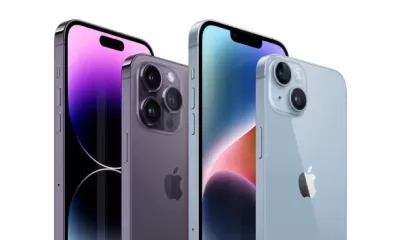

Best iPhones to Buy in 2026: Top 7 Models Compared with Features, Prices, and Expert Advice
Choosing the best iPhone to buy in 2026 is not simply about picking the newest release. With several generations still...

Why Gold and Silver Are Rising: What’s Driving Precious Metals’ Strong Momentum
Gold and silver are gaining strength as investors seek safe-haven assets amid global economic and geopolitical uncertainty. Silver is outperforming...


Best Hospitals in India for Heart Surgery – Top Cardiac Care Centers in 2026
Heart disease is a significant health challenge in India and worldwide. With rising incidence of coronary artery disease, heart attacks,...


Best Airline Loyalty Programs in 2026: Which Frequent Flyer Programs Are Really Worth It?
Spend enough time in airports and you’ll notice something interesting. Some travelers move effortlessly — priority check-in, lounge access, early...


Best Medical Schools in the US in 2026: A Complete and Easy Guide for Future Doctors
Choosing from the best medical schools in the US is one of the most important decisions in a future doctor’s...


Cars Below 15 Lakhs in India: The Complete Buyer’s Guide for 2026
The Indian automobile market in 2026 has entered a value-driven era. Buyers no longer need to exceed their budget to...


Cuisine of the Middle East: Flavours That Carry History on Every Plate
There’s a reason people speak of the cuisine of the Middle East with a certain reverence. It isn’t simply about...


Credit Card With Benefits Best: How to Maximize Value
Credit cards have become part of everyday life — from paying utility bills to booking travel online. But today, a...