
Lifestyle
Remote Work and Its Impact on Lifestyle
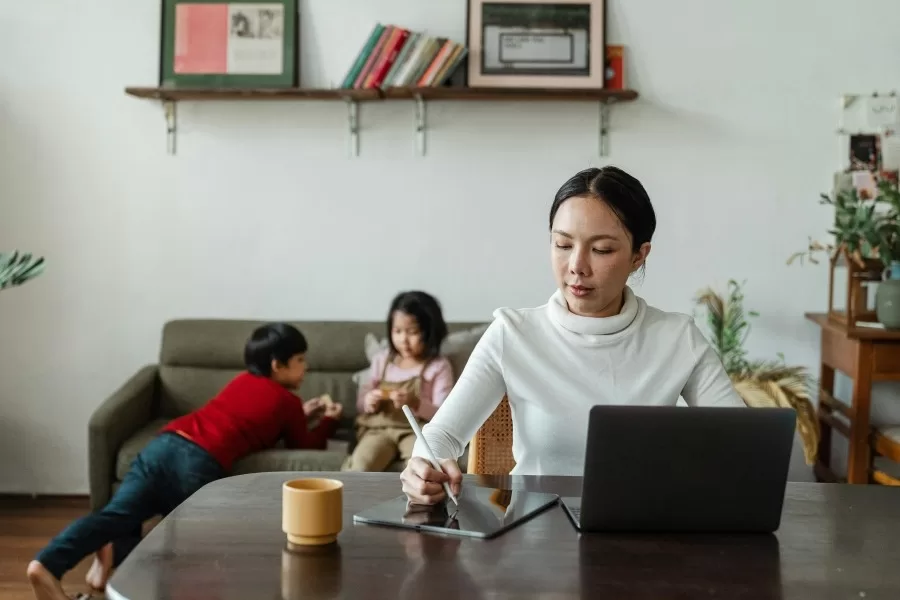
Remote work… it used to sound like a perk. Like a rare thing your cool cousin did when she said she “consulted” for companies while traveling through Bali. Now? It’s everywhere. It’s become this massive shift in how we live. And if you’ve been part of the experiment (let’s be real, most of us have in some form), you know it’s not just about where we work—it’s about how we live our lives.
The remote work, impact on lifestyle conversation isn’t straightforward. It’s not a one-size-fits-all deal. Some folks swear it’s the best thing that ever happened to them. Others quietly wonder if they’re losing their minds sitting in the same room 24/7. I’ve lived through both moods, often in the same week.
The Obvious Perk: Flexibility (and No Commute!)
The best part first: freedom. That sweet, sweet feeling of not being chained to a rush-hour commute. You don’t realize how draining daily traffic or crowded trains are until you suddenly… don’t have to do them.
You gain back hours. Hours to sleep, hours to read, hours to just exist. Some people take morning walks, some sneak in gym sessions, others just roll out of bed and straight into emails (no judgment).
And flexibility is underrated. You can build your day around your own rhythms. If you’re one of those mythical 5 a.m. people, you can finish half your workload before the rest of the world even finds its coffee. Night owls? You finally don’t have to fake it in early meetings. That alone is a massive lifestyle shift.
But the Blur is Real
Here’s the thing: when your home becomes your office, the line between work and life smudges. And not in a cool watercolor way. More like… coffee spilled on paper.
I’ve had nights where I tell myself, “just one more email.” Then suddenly it’s 11:30 p.m., I’m squinting at my laptop, and the day feels like it never ended. It’s exhausting.
People cope in different ways. Some carve out a literal “office space” (even if it’s just a corner desk with a plant). Others make fake commutes—walks around the block before logging in, same again after logging out. Weirdly, it helps. Because otherwise, you’re both always working and never fully working.
Health: The Good and the Bad
Health is where remote work flips a coin.
On the plus side: no commute stress, more sleep, time to actually cook something that doesn’t come in plastic. You can do yoga in between meetings. Or stretch on the floor while waiting for Zoom to load (I’ve done this more than once).
But on the downside: sitting. Sitting all the time. I’ve had days where my step counter doesn’t even break a thousand. That’s… basically sloth territory. And the snacking? Don’t even get me started. The fridge is right there. All. The. Time.
The impact on lifestyle health-wise is clear: if you’re disciplined, remote work can help you thrive. If you’re not… it can turn into a slow-motion health disaster.
Loneliness Creeps In
I didn’t expect this at first, but the social side really changes. Offices—love them or hate them—were where you bumped into people, made random work friends, shared gossip over coffee. Without that? Silence.
Some thrive on this (hello, introverts). But even introverts get lonely. There’s a difference between choosing solitude and being stuck in it. And let’s be real: Slack jokes don’t hit the same as laughing across a table with coworkers.
What happens instead is you have to actively plan your social life. Call friends, join hobby groups, actually leave the house. Otherwise, you end up in a weird loop of work-eat-sleep-repeat, with your only “interaction” being delivery drivers.
Money: A Mixed Bag
Remote work changes how we spend, too.
Yes, you save on gas, train tickets, eating out, maybe even childcare. You don’t need a full office wardrobe either (unless you count “Zoom shirts” that live permanently on the back of your chair).
But the expenses sneak in. Your electric bill climbs. You suddenly care way too much about desk chairs and buy a fancy ergonomic one. Maybe you splurge on a coffee machine because you miss café vibes. Little things add up.
Some people come out ahead financially. Others break even or even spend more. It really depends how disciplined you are—or how much you love online shopping.
The Geography Shuffle
This one fascinates me. Remote work has uncoupled jobs from locations. You don’t have to live in big cities anymore. People are moving back to small towns, closer to family, or even abroad.
That shift has lifestyle consequences that ripple out. Imagine being able to live in the mountains but still work for a New York firm. Or moving to a place where rent is half what you used to pay. That’s life-changing.
But there are downsides—like housing markets in small cities suddenly spiking because of digital migrants. Or people working weird hours because their “remote” job is still tied to headquarters in another time zone.
Productivity (Depends Who You Ask)
This debate never dies: are people more productive at home?
Some absolutely are. No office distractions, no random “got a minute?” chats. Just focus. Others… not so much. Netflix is too close, the couch is too comfy, the bed is calling.
Personally? I’ve seen both sides. Some days I hit a flow state and crank out work faster than ever. Other days, I waste an hour rearranging my desk. Remote work forces you to know yourself. Are you disciplined enough to self-manage? If yes, great. If not… good luck.
The Identity Shift
One thing people don’t talk about enough: how remote work messes with identity.
Offices gave us structure. Commutes, routines, team lunches—it all wrapped work into daily life. Without that, some people start asking bigger questions. Who am I outside of this job? Do I even like what I do, or did I just like the office culture?
It can be freeing, sure. But also unsettling. Lifestyle shifts aren’t just about logistics—they’re psychological. Remote work quietly nudges us into reevaluating what “success” and “career” even mean.
Is remote work good or bad for lifestyle? Honestly, both. It’s freedom with a side of isolation. Healthier in some ways, unhealthier in others. Cheaper for some, more expensive for others.
The truth is: remote work forces us to design our lives more intentionally. Offices used to structure our days for us. Now we have to build that structure ourselves—boundaries, routines, even social connections. That’s a lot of responsibility, and not everyone likes it.
Final Takeaway
Remote work isn’t just a work trend. It’s a life trend. Its impact on lifestyle is deep, messy, and ongoing.
The big question isn’t “is remote work good or bad?” It’s: how do you make it work for you? Because it can either set you free or leave you feeling stuck. And maybe the real skill here isn’t just working remotely—it’s learning how to live remotely, too.

Elon Musk: Business Leader Behind Tesla, SpaceX, and xAI
Quick Facts Field Details Full Name Elon Reeve Musk Born June 28, 1971 Birthplace Pretoria, South Africa Nationality South African,...


Best Places to Visit in Vietnam – Complete Travel Guide
Vietnam is one of the most rewarding destinations in Southeast Asia. It’s a country where emerald bays meet towering limestone...

Best iPhones to Buy in 2026: Top 7 Models Compared with Features, Prices, and Expert Advice
Choosing the best iPhone to buy in 2026 is not simply about picking the newest release. With several generations still...

Why Gold and Silver Are Rising: What’s Driving Precious Metals’ Strong Momentum
Gold and silver are gaining strength as investors seek safe-haven assets amid global economic and geopolitical uncertainty. Silver is outperforming...


Best Hospitals in India for Heart Surgery – Top Cardiac Care Centers in 2026
Heart disease is a significant health challenge in India and worldwide. With rising incidence of coronary artery disease, heart attacks,...


Best Airline Loyalty Programs in 2026: Which Frequent Flyer Programs Are Really Worth It?
Spend enough time in airports and you’ll notice something interesting. Some travelers move effortlessly — priority check-in, lounge access, early...


Best Medical Schools in the US in 2026: A Complete and Easy Guide for Future Doctors
Choosing from the best medical schools in the US is one of the most important decisions in a future doctor’s...

Cars Below 15 Lakhs in India: The Complete Buyer’s Guide for 2026
The Indian automobile market in 2026 has entered a value-driven era. Buyers no longer need to exceed their budget to...


Cuisine of the Middle East: Flavours That Carry History on Every Plate
There’s a reason people speak of the cuisine of the Middle East with a certain reverence. It isn’t simply about...

Credit Card With Benefits Best: How to Maximize Value
Credit cards have become part of everyday life — from paying utility bills to booking travel online. But today, a...