
Lifestyle
Growth Mindset vs. Fixed Mindset in Daily Life (and why my burnt toast was weirdly helpful)

I had one of those mornings. Burnt toast. Lukewarm coffee. Phone at 3% even though I could’ve sworn I charged it. And then I caught myself muttering, out loud, “This is why I can’t have nice things.” Which is dramatic, sure, but also familiar. If you listen closely, you can hear the mindset behind it.
That’s really what this is about — not a textbook debate, but the tiny running commentary while you live your life. Call it Growth Mindset vs. Fixed Mindset in Daily Life if you want to sound official. I think of it as two radio stations in my head. One is the “You Are What You Are” channel. The other is the “Okay, but what if we try again?” channel. I flip between them more than I’d like to admit.
The two stations, no jargon (promise)
Fixed mindset, in plain language, is the belief that your abilities are basically baked in. Good at numbers? Congrats, forever. Bad at public speaking? Sorry, forever. If you fail, it’s proof that some core trait is missing. Door shuts. Lights off. Go home.
Growth mindset says the door might be noisy but it isn’t locked. You can learn to knock differently. You can practice, get feedback, change your approach. Failure is data. Embarrassing data, sometimes, but still data.
No halos here. Nobody lives entirely on one station. I’ll grind away for hours on writing (growth), but ask me to troubleshoot a printer and I suddenly become a medieval peasant who thinks the machine is cursed (fixed).
Where it sneaks in (a day in small scenes)
Picture a Tuesday — not grand, not tragic, just… a Tuesday.
Scene 1: Kitchen. The omelet rips when you flip it.
- Fixed voice: “I’m terrible at cooking. Why do I even try?”
- Growth voice: “Pan too hot. Next time lower heat. Also… maybe don’t answer texts while flipping eggs.”
Scene 2: Inbox. Your manager replies, “Let’s tighten this and add more examples.”
- Fixed: “I’m bad at this job. They regret hiring me.”
- Growth: “Vague, but helpful. Tighten how? Okay, three concrete examples, fewer adverbs. Send a quick clarifying question.”
Scene 3: Gym (or the dusty yoga mat in your living room).
- Fixed: “I missed three days. I’m inconsistent. Whatever.”
- Growth: “Missed three. Today counts. Ten minutes is not zero.”
Scene 4: That conversation you’ve been avoiding.
- Fixed: “I’m just not good at difficult talks. It’ll blow up.”
- Growth: “I might bumble it, but I can own that and try again. I can also write notes. Nobody’s grading me.”
None of these are TED Talk moments. They’re small behavior pivots. But small pivots change the route.
Quick detour: a bus stop story
At a bus stop last month (or maybe it was last year — time is a pancake), I watched a kid try a kickflip. Land. Fall. Try again. Fall harder. The board shoots into traffic; he jogs after it, sheepish. His friend claps anyway. Third try, he lands it messy, sort of. They cheer like he just won a medal.
I stood there thinking: adults don’t do this enough. We fail once and declare an identity. “Not a numbers person.” “Not the creative type.” We stop clapping for attempts. And then we wonder why we don’t improve.
Mindset in relationships (aka why “that’s just me” is suspicious)
We often frame mindset around school or careers, but it quietly rules our connections too. If you’ve ever said, “I’m bad at apologizing,” you’ve met your fixed station. It feels true — like the weather. But “I’m not great at apologizing yet, and I’m practicing pausing before I get defensive” lands on a different frequency.
I tried a small experiment: when I felt misunderstood, I replaced “You never listen” (defensive, fixed) with “I’m trying to explain this clumsily — let me try again” (curious, growth). You know what changed? Not the other person, at least not right away. Me. I left the conversation less tangled.
Growth mindset doesn’t promise that other people will change, by the way. It just returns your power to change your own patterns.
Work, creativity, and the fear of looking foolish
Feedback is a flashlight. Fixed mindset hates flashlights. It squints, shields its eyes, and decides the person holding the light is rude. Growth mindset leans in, even if it flinches first.
There’s a project I once stalled for weeks because I wanted it “perfect.” (Translation: I was afraid to be seen in the messy middle.) Perfection is often a fixed-mindset costume; it looks fancy and responsible, but mostly it keeps you from trying where people can see you wobble. Eventually a colleague said, gently, “Send the ugly draft.” I did. Of course it wasn’t as bad as I feared. It never is.
Creativity rides the same bike. Fixed mindset whispers, “Don’t share — people will notice you’re not naturally talented.” Growth replies, “Show your rough notes. Invite edits. Iterate.” Most of what we love in the world came through drafts.
“Growth Mindset, Fixed Mindset in Daily Life” (in one messy thought)
If I had to compress it into a single daily sentence: fixed mindset tells me I am the mistake; growth mindset tells me the mistake is information. Same event, different identity cost.
The gray middle (where most of us live)
A thing worth saying loudly: growth mindset is not magical thinking. You can’t manifest a new skill just by being optimistic. Effort matters, but so do strategies, coaching, rest, timing, money, access. The growth lens helps you look for levers you do control without pretending constraints don’t exist.
Also, you can carry both mindsets in your backpack. In the morning you’re brave about pitching an idea. By evening you’re convinced you’ll never keep a plant alive because the basil died again (RIP). That’s normal. The goal isn’t to never flip stations; it’s to notice the flip sooner.
Micro-practices that actually helped (not a guru list)
- Add “yet.” Sounds cheesy. Works anyway. “I don’t understand pivot tables… yet.” Watch how your brain softens its shoulders.
- Rename failure. I call mine “attempts.” I keep a Notes app list titled Museum of Attempts. When something flops, I drop it in there with one tweak I’ll try next time. It’s weirdly funny. Humor helps learning stick.
- Practice in public (a little). Share a draft with one trusted person. Ask, “What’s one thing to cut?” Specific questions get useful answers.
- Reward the showing up. If effort has no dopamine, you’ll avoid it. My bribe: cup of tea only after I open the document. Pavlov would be proud.
- Borrow scripts. “I’m not sure yet; can you show me?” “I’m learning; I’ll make a rough version first.” Scripts are training wheels for courage.
- Shrink the next step. Not “write a novel,” just “open a blank page and write a messy paragraph.” Momentum > drama.
- Rest like it’s part of practice. Because it is. Exhaustion pretends everything is impossible. Sleep is an anti-fixed-mindset vitamin.
A split-screen Tuesday (two versions of the same day)
7:10 a.m. Alarm boops.
- Fixed: Snooze. “Already late. Day’s ruined. Why bother with the run?”
- Growth: Sigh. Two laps around the block. Not heroic. Still a run.
9:30 a.m. Feedback lands: “Can you reorganize this? Feels scattered.”
- Fixed: “I’m scattered.” Quiet doom scroll.
- Growth: “Okay, outline first. Lead with results. Ping Sam for the good example he used last week.”
1:00 p.m. Lunch burns.
- Fixed: “I’m hopeless.” Order fries.
- Growth: “Too hot again. Lower flame. Try again with onions. (Fries later to celebrate attempt.)”
6:45 p.m. Friend texts, “Can we talk?”
- Fixed: “They’re mad; I’m bad at this. Avoid.”
- Growth: “Scary. Also okay. Ask for 10 minutes to gather thoughts. Write three bullet points. Listen first.”
10:30 p.m. Reflection.
- Fixed: Catalog the ways you failed.
- Growth: Two lines in the notes app: What went weird? What would I try differently tomorrow?
The day is the same. The soundtrack changes the plot.
Learning curves and small humiliations (we need more of both)
I once watched someone in their forties learn to swim in the slow lane, goggles fogging, cough-laughing every time a wave surprised them. They looked… joyful? Terrified? Alive. You could see the growth happening in real time. Then I thought about all the times I didn’t start something because I wanted to skip the “bad at it” part. We don’t get that luxury. The “bad at it” part is where your brain lays down new wiring.
Maybe that’s the point: growth mindset doesn’t promise you won’t be embarrassed. It promises the embarrassment is doing something useful.
Common traps (and what to say back)
- Trap: “If I can’t win, why start?”
Say back: “Start to learn, not to win. Winning is a side effect of practice.” - Trap: “Other people are naturally better.”
Say back: “I’m seeing the highlight reel, not the rehearsal. What’s one thing they do that I can copy?” - Trap: “I missed a day; I’ve failed.”
Say back: “Missing a day is part of the plan. The string continues tomorrow.” - Trap: “Feedback means I’m bad.”
Say back: “Feedback means someone spent energy helping me improve. (Also: I get to choose which notes to use.)”
What about talent? (the awkward section)
Yes, talent exists. Bodies are different. Brains are different. Time is real. A growth lens can’t make me seven feet tall, and it won’t turn anyone into a world-class pianist without brutal practice and resources. But here’s the quiet miracle: most of the results we care about in daily life (better conversations, better presentations, better sleep, better budgeting) are wildly responsive to small, repeated efforts. You don’t need to be gifted to send a clearer email.
So… respect talent. Bet on practice.
The boring power of environment
Mindset isn’t only inside your skull. It’s also the room you’re in.
- If everyone around you mocks tries and only celebrates wins, fixed mindset grows like mold.
- If your team shares drafts, thanks people for questions, and talks openly about how they learned, growth feels normal.
I don’t always control the room. But I can choose a corner — one friend who likes experiments, one colleague who gives kind notes, one community where “attempts” are currency. Curate two inches of air where practice can breathe.
If you only do three things this month
- Pick a skill and do 20 ugly reps. Guitar strums, cartwheels, spreadsheet shortcuts, five-minute journal entries. Twenty. Ugly. Reps.
- Ask for one piece of feedback with a narrow prompt. “What’s one thing you’d cut?” brings better responses than “Thoughts?”
- Say “yet” out loud once a day. You will feel silly. That’s fine. Silly is stickier than silent despair.
Tiny FAQ people rarely say out loud
- Does growth mindset make you happier?
Not always. It can make you more uncomfortable short-term because you’ll try more things. Over time, yes — because agency is lighter to carry than doom. - Can I have a growth mindset and still set boundaries?
Absolutely. Growth isn’t saying yes to everything; it’s learning how to say yes on purpose. - What if I’m tired?
Then rest is the growth move. Burnout cosplays as discipline.
The takeaway I keep on a sticky note
When I hear myself say, “I’m just not the type of person who can do this,” I try to add one quiet word at the end: yet. It’s clumsy. Sometimes I forget. Sometimes I don’t mean it — not fully. But “yet” wedges a little daylight between me and the verdict. Daylight is all I need to try once more.
That’s the whole thing, really. Growth Mindset, Fixed Mindset in Daily Life isn’t about being endlessly positive, or pretending constraints don’t exist. It’s about telling a kinder, more useful story while you make breakfast or answer emails or apologize badly and then try again. It’s about clapping (even once) for attempts — yours, mine, the kid at the bus stop. And then attempting again tomorrow.
Quick reflection
If today’s version of you burned the toast, let tomorrow’s version lower the heat. If today’s version panicked at feedback, let tomorrow’s version ask one narrow question. If today’s version froze at the tough conversation, let tomorrow’s version write three bullet points and start with, “I might say this clumsily.” That’s growth in the wild. Not glamorous. Real. And enough.


Best Phones Under 20000 in India 2026: Top 7 Picks
Finding the best phones under 20000 in India has never been this rewarding. In 2026, this price band buys a...


Brand Loyalty: How Successful Brands Keep Customers Coming Back
Featured image — Source: Thirdman / Pexels It costs far more to win a new customer than to keep an...


Brand Awareness: Effective Strategies to Grow Your Business
Featured image — Source: Anurag Jamwal / Pexels Before anyone can buy from you, love you, or recommend you, they...


Brand Equity Explained: Meaning, Importance, and Examples
Featured image — Source: Ann H / Pexels Two bottles of fizzy brown cola sit side by side. One is...


Best Phones Software Updates in 2026: How Many Years of Support Every Brand Gives
When you buy a phone in 2026, the spec that quietly matters most isn’t the camera or the chip —...
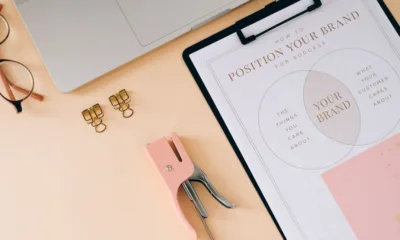

Brand Positioning: Definition, Strategies, and Real-World Examples
Featured image — Source: Leeloo The First / Pexels Two coffee shops sit on the same street, sell a similar...
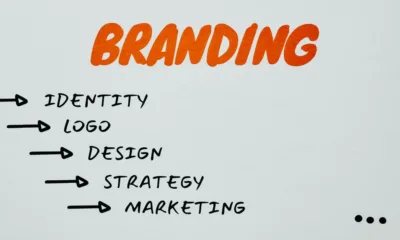

Brand Identity vs Brand Image vs Brand Reputation: Key Differences
Featured image — Source: Eva Bronzini / Pexels Ask ten marketers to explain the difference between brand identity vs brand...
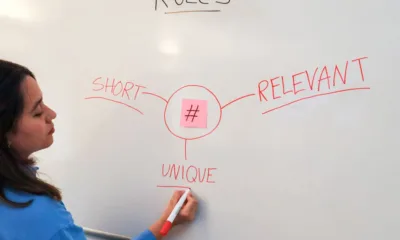

How to Build a Brand From Scratch: A Step-by-Step Guide
Featured image — A brand starts with strategy, not a logo. Source: Walls.io / Pexels Every business you admire started...


What Is Branding? A Complete Beginner’s Guide
Ask ten people what branding means and you’ll get ten different answers. Some say it’s your logo. Others point to...


Best Perfume Brands in India (2026): Top Luxury & Affordable Fragrances Ranked
Choosing from the best perfume brands in India has never been more exciting — or more confusing. Walk into any...