
Technology
Value: Snapdragon vs MediaTek, Chipsets in Budget Phones
Okay, confession time: I used to scroll past the “Snapdragon vs MediaTek” line on budget phone specs because, honestly, it felt like alphabet soup. Snapdragon 695, Dimensity 700…what does it even mean? I just wanted a phone that works, lasts the day, and doesn’t make me rage-quit when I open Instagram. But the more I dug in, the more I realized — the chipset actually matters. Maybe not for everyone, but for some of us who really notice those little annoyances, it does.
So let’s talk about value: Snapdragon vs MediaTek, chipsets in budget phones in a way that actually makes sense for day-to-day life. No overblown benchmarks, no specs-only debate — just what you care about.
The Chipset: Your Phone’s Brain
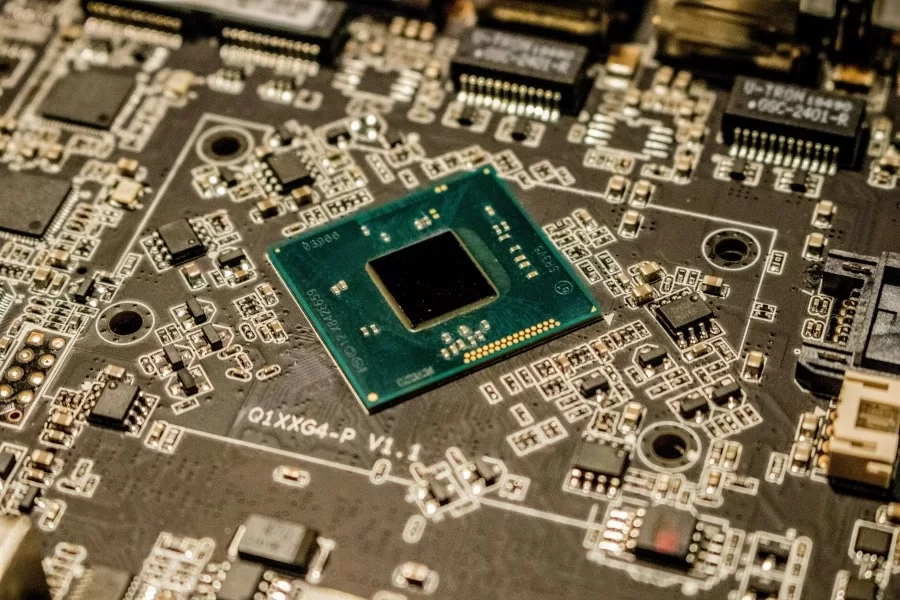
Think of the chipset as your phone’s brain. Everything — scrolling, opening apps, taking photos, playing games — depends on it. Snapdragon, by Qualcomm, has been around forever and is kind of the “safe choice.” MediaTek, a Taiwanese company, used to be the underdog, mostly in cheap phones that sometimes lagged. But times have changed. Their Dimensity series has gotten really good, even in budget devices.
I remember trying a MediaTek phone a couple of years ago and bracing myself for glitches. Surprisingly, it ran almost as smoothly as a Snapdragon phone at the same price. That was the moment I realized — maybe MediaTek isn’t the “lesser” option anymore.
Price vs Performance: Stretching Your Budget
Budget phones are all about value, right? MediaTek has a clear advantage here. Take the Dimensity 700: plenty fast for daily tasks, light gaming, YouTube, scrolling through feeds — and it costs noticeably less than a comparable Snapdragon phone.
Snapdragon phones, like ones with the 480 or 695 chip, might feel slightly snappier when switching between apps. But for most of us, the difference is subtle. Honestly, I’ve used both on back-to-back days, and for Instagram, WhatsApp, or even casual mobile games, the gap is barely noticeable.
If you’re the kind of person who just wants “good enough” without emptying your wallet, MediaTek often wins. But if you’re picky about smoothness and long-term updates, Snapdragon still has a slight edge.
Battery Life: Can You Make It Through the Day?
Nothing ruins a day faster than a dead phone. Snapdragon chipsets have historically been slightly more efficient, meaning your phone sips power instead of guzzling it. MediaTek used to lag here, but their newer Dimensity series has improved.
I tested a Dimensity 9300 phone over a weekend of heavy scrolling, YouTube, and light gaming. By the time I went to bed, it still had 20% left. I didn’t expect that from a budget-oriented chip! So yes, battery life used to favor Snapdragon, but MediaTek is catching up quickly.
Gaming: Casual Fun vs Hardcore Sessions
Here’s the reality: if you play mobile games casually, both chipsets are fine. PUBG Mobile, Call of Duty Mobile, even lighter titles run smoothly on both Snapdragon and MediaTek devices.
MediaTek’s GPUs are solid, but heat can build up faster during longer sessions. I once tried a Dimensity 700 phone with 30 minutes of Call of Duty Mobile. It ran well at first, but then it got warm and frames dropped slightly. Swap to a Snapdragon phone in the same range, and it stayed cooler and smoother for longer.
So, for casual gamers, MediaTek is totally fine. For heavier gamers who play in long stretches, Snapdragon might be worth the extra money.
Cameras: More Than Just Megapixels
People always fixate on megapixels, but the chipset does a lot behind the scenes — image processing, AI enhancements, low-light handling.
Snapdragon phones often have slightly better AI support, so portrait shots, night photos, and dynamic range tend to be a touch smoother. MediaTek Dimensity chips are improving though. I recently compared photos from a Dimensity 700 phone and a Snapdragon 480 phone: for casual Instagram posting, I barely noticed a difference. Only when zooming in or testing extreme low-light shots did Snapdragon pull ahead.
For most people, MediaTek cameras are perfectly fine. If photography is your hobby, then Snapdragon’s edge might matter more.
Software Support: Will Your Phone Last?
Here’s a big one: updates. Snapdragon devices usually get longer support — security updates, Android upgrades, bug fixes. MediaTek has improved, but it’s more dependent on the manufacturer. Xiaomi, Realme, and Poco have been decent about updating their MediaTek phones, but it’s inconsistent.
If you plan to keep your phone for three or more years, Snapdragon is generally safer. But if you upgrade every year or two, MediaTek is fine.
Everyday Life Scenarios
To make this real, let’s imagine two people:
- Aman: Student, tight budget, mostly social media, YouTube, light gaming. A MediaTek Dimensity 700 phone covers everything Aman needs, and he saves money. Perfect.
- Priya: Working professional, multitasking apps, video calls, occasional photo editing. Wants phone to last 3+ years. Snapdragon 695 phone is safer — smoother multitasking, better updates, slightly longer battery.
See the difference? The “better” chipset depends on lifestyle, not just benchmarks.
What You’ll Find in the Market
Right now, budget phones are full of both chipsets:
- MediaTek: Poco M4 Pro, Realme Narzo 60, some Redmi Note 12 models. Affordable, decent 5G support.
- Snapdragon: Samsung Galaxy M14, Redmi Note 12 Snapdragon variant, Realme Narzo 60x. Slightly pricier, more predictable performance.
Some models even have both Snapdragon and MediaTek variants. Kind of funny, like choosing between two siblings — same family, different quirks.
My Take: Value Perspective
Snapdragon: Slightly safer, smoother for long-term use, better efficiency.
MediaTek: Amazing for budget-conscious buyers, strong performance, almost as good in battery and gaming.
Honestly, I’ve used both back-to-back, and for daily stuff, it’s hard to tell the difference unless you push your phone hard. MediaTek has closed the gap in a big way, which is great for buyers like us.
A Personal Reflection
I’ve learned that specs aren’t everything. A MediaTek phone can feel as fast as a Snapdragon phone if the software is well-optimized. Conversely, a Snapdragon phone can feel sluggish if the brand messes up the software.
Sometimes I don’t even notice the chipset — what matters is how the phone feels in my hand, lasts through the day, and doesn’t frustrate me when I open 10 apps at once.
Final Thoughts
The “Snapdragon vs MediaTek” debate isn’t about a universal winner. It’s about priorities: budget, battery, gaming habits, camera interest, software updates.
If you want value without compromise, MediaTek is excellent. If you want slightly more reliability and updates, Snapdragon is worth it. Both have strengths. Both have flaws. The rivalry just means better budget phones for everyone.
At the end of the day, the real value is how happy your phone makes you — not what number is printed on the spec sheet.


Elon Musk: Business Leader Behind Tesla, SpaceX, and xAI
Quick Facts Field Details Full Name Elon Reeve Musk Born June 28, 1971 Birthplace Pretoria, South Africa Nationality South African,...


Best Places to Visit in Vietnam – Complete Travel Guide
Vietnam is one of the most rewarding destinations in Southeast Asia. It’s a country where emerald bays meet towering limestone...

Best iPhones to Buy in 2026: Top 7 Models Compared with Features, Prices, and Expert Advice
Choosing the best iPhone to buy in 2026 is not simply about picking the newest release. With several generations still...


Why Gold and Silver Are Rising: What’s Driving Precious Metals’ Strong Momentum
Gold and silver are gaining strength as investors seek safe-haven assets amid global economic and geopolitical uncertainty. Silver is outperforming...


Best Hospitals in India for Heart Surgery – Top Cardiac Care Centers in 2026
Heart disease is a significant health challenge in India and worldwide. With rising incidence of coronary artery disease, heart attacks,...


Best Airline Loyalty Programs in 2026: Which Frequent Flyer Programs Are Really Worth It?
Spend enough time in airports and you’ll notice something interesting. Some travelers move effortlessly — priority check-in, lounge access, early...


Best Medical Schools in the US in 2026: A Complete and Easy Guide for Future Doctors
Choosing from the best medical schools in the US is one of the most important decisions in a future doctor’s...

Cars Below 15 Lakhs in India: The Complete Buyer’s Guide for 2026
The Indian automobile market in 2026 has entered a value-driven era. Buyers no longer need to exceed their budget to...


Cuisine of the Middle East: Flavours That Carry History on Every Plate
There’s a reason people speak of the cuisine of the Middle East with a certain reverence. It isn’t simply about...


Credit Card With Benefits Best: How to Maximize Value
Credit cards have become part of everyday life — from paying utility bills to booking travel online. But today, a...