
Education
Refugees Face Health Threat As Climate Change Threatens Camps
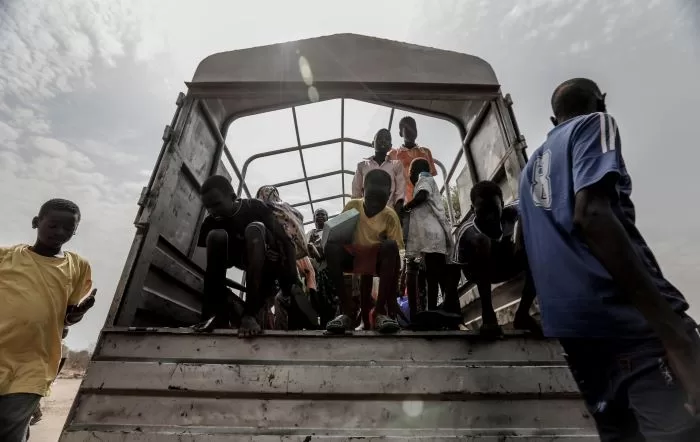
Thousands of migrants in overcrowded refugee camps are threatened by the effects of climate change
Climate uncertainty is creating health threats for thousands of migrants as overcrowding and pollution place huge stresses on humanitarian organisations’ ability to provide sanctuary in refugee camps, a new study reveals.
Locating camps in disaster-prone or climate hotspot areas increases their vulnerability and, coupled with stress from overcrowding that increases pressure on water, sanitation, and hygiene resilience (WaSH), leads to overexploitation of resources.
The combination depletes ground water, pollutes surface water, changes river dynamics and results in wastewater discharged into rivers – threatening future efforts to help refugees.
Researchers at the University of Birmingham published their findings in International Journal of Water Resources Development, identifying three key barriers to sustainability of WaSH in refugee camps:
- environmental health is not widely considered;
- system-wide sustainability pre-planning in access and services quality in camps is absent; and
- impact of interrelated ecological, institutional, and cultural factors is not considered.
The camps – often located in developing countries worst hit by the effects of climate change – are considered as temporary shelters before any viable long-term solution to displacement, such as repatriation or integration into the hosting community, can be achieved.
People living in camps often lack safe access to clean water or have a shared toilet system and the health of many is already stressed from water-borne diseases, such as cholera and diarrhoea. Public health-related impacts from natural climate disasters or man-made hazards in often-overcrowded refugee camps are more devastating than in any other setting if not prepared for or mitigated through sustainability planning.”
Professor Iseult Lynch – University of Birmingham
Professor Iseult Lynch, from the University of Birmingham, commented: “People living in camps often lack safe access to clean water or have a shared toilet system and the health of many is already stressed from water-borne diseases, such as cholera and diarrhoea.
“Public health-related impacts from natural climate disasters or man-made hazards in often-overcrowded refugee camps are more devastating than in any other setting if not prepared for or mitigated through sustainability planning.”
The researchers note that many camps have been operating for decades without effective solutions and face further difficulties in providing access to WaSH services due to the ageing of infrastructure, sudden onset of climate-related disaster and shortages of for maintenance.
Just four large camps together accommodate more than one million migrants, and almost 86% of the estimated 82.4 million displaced people are hosted by developing countries with 65% of camps located in climate hotspots.
The World Health Organization (WHO) predicts that most countries can expect to experience at least one large-scale emergency every five years. There are also likely to be more small emergencies such as disease outbreaks and fires, as well as large disasters such as monsoon floods or cyclones, with impacts including loss of life, disability and significant loss of livelihoods.
Tahmina Yasmin, Postdoctoral Research Fellow at the University of Birmingham, commented: “By 2050, there could be more than 200 million environmental refugees globally due to the impacts of climate change such as sea-level rise, water security issues, and increased drought/flooding and extreme weather events.
“Long-term provision for climate refugees must be considered, through a system governance approach, to prevent repeated cycles of displacement for the most vulnerable of our fellow humans – as has just happened to refugees in camps in Pakistan.”
As refugee camps are designed to meet the most basic needs – food, water, shelter, medical treatment – during emergencies as temporary shelters, the researchers support moving to the UNHCR ‘alternatives to camps’ approach. This includes integrating refugees with the community upon arrival or as soon as possible afterwards.
However, the researchers acknowledge that alternatives to camps are complicated and require years of strategic planning and facilitation by host countries to achieve the necessary integration
Professor Stefan Krause, from the University of Birmingham, commented: “Ensuring provision of the basic services such as WaSH to camps and securing the sustainability of these services is critical, but must be done in such a way that benefits the surrounding local communities.
“Given that camps are home to growing numbers of displaced people, typically in areas that have major infrastructure and poverty challenges, it is vital that ‘alternatives to camps’ are made viable as a matter of urgency through humanitarian organisations and human rights groups developing coherent policies.”


Best Phones Under 20000 in India 2026: Top 7 Picks
Finding the best phones under 20000 in India has never been this rewarding. In 2026, this price band buys a...

Brand Loyalty: How Successful Brands Keep Customers Coming Back
Featured image — Source: Thirdman / Pexels It costs far more to win a new customer than to keep an...

Brand Awareness: Effective Strategies to Grow Your Business
Featured image — Source: Anurag Jamwal / Pexels Before anyone can buy from you, love you, or recommend you, they...

Brand Equity Explained: Meaning, Importance, and Examples
Featured image — Source: Ann H / Pexels Two bottles of fizzy brown cola sit side by side. One is...


Best Phones Software Updates in 2026: How Many Years of Support Every Brand Gives
When you buy a phone in 2026, the spec that quietly matters most isn’t the camera or the chip —...


Brand Positioning: Definition, Strategies, and Real-World Examples
Featured image — Source: Leeloo The First / Pexels Two coffee shops sit on the same street, sell a similar...

Brand Identity vs Brand Image vs Brand Reputation: Key Differences
Featured image — Source: Eva Bronzini / Pexels Ask ten marketers to explain the difference between brand identity vs brand...

How to Build a Brand From Scratch: A Step-by-Step Guide
Featured image — A brand starts with strategy, not a logo. Source: Walls.io / Pexels Every business you admire started...


What Is Branding? A Complete Beginner’s Guide
Ask ten people what branding means and you’ll get ten different answers. Some say it’s your logo. Others point to...


Best Perfume Brands in India (2026): Top Luxury & Affordable Fragrances Ranked
Choosing from the best perfume brands in India has never been more exciting — or more confusing. Walk into any...