
Technology
Bridging the Digital Divide in Remote Learning: Thoughts From the Ground
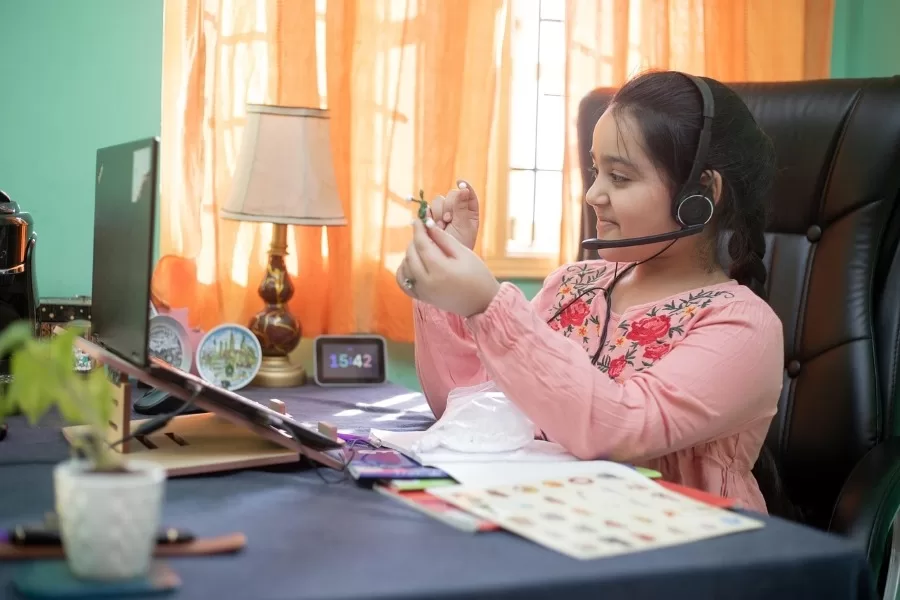
Let me be blunt — remote learning wasn’t built for everyone.
Not when it rolled out at scale, and definitely not for the kids I’ve worked with. I mean, sure, in theory, learning from home sounds pretty modern. Flexible. Comfortable. Maybe even fun. But in reality? It’s only smooth if you’ve got the setup. And surprise — a lot of people didn’t.
This “digital divide” thing? It’s not just a buzzword. It’s real. And if you’ve never experienced it, it’s easy to overlook. I didn’t fully understand it until I started tutoring remotely during lockdown. That’s when it hit me — some students weren’t even remotely (no pun intended) in the same starting position as others.
It’s Not Just About Internet Access
Here’s something I realized quickly: having internet doesn’t mean you’re all set.
I had students who technically “had access” — but barely. One had to borrow her uncle’s phone to join Zoom classes. Another could only log in during certain hours because his family shared a single device. And then there were the Wi-Fi issues. Don’t even get me started on that.
People love to simplify the divide: “Some families don’t have internet.” True, but not the whole story. The divide also includes:
- Old devices that freeze every five minutes
- Mobile data limits that make video calls impossible
- Parents who don’t know how to use a computer, let alone help with homework
- Kids learning from the kitchen table while younger siblings scream in the background
You see the problem?
It’s not just whether a kid can get online. It’s what happens once they do.
Remote Learning Could Be a Game-Changer
Here’s the twist, though: I’m not against remote learning. In fact, I’ve seen it work beautifully — for the right students in the right environment.
One of my best students, Maya, had social anxiety. In the classroom, she barely spoke. But online? Total transformation. She was more engaged, more vocal, and just more… herself. She didn’t have to worry about people staring at her or feeling self-conscious.
So no — remote learning isn’t the enemy. The problem is that it’s been super uneven. Some kids got this sleek, supported virtual learning experience. Others? They were thrown into it with zero help and told to “figure it out.”
That’s where the digital divide really hurts — it turns what should be an equalizer into another barrier.
Real People, Real Gaps
Let me tell you about one girl I met, Ruksar. She lived in a two-room home with four siblings. Her school gave her access to Google Classroom, but no device. For weeks, she tried using her mom’s ancient phone to do assignments.
Can you imagine trying to write a science paper on a tiny phone screen?
Eventually, her teacher started printing out lessons and delivering them by hand once a week. Old-school, sure — but it was better than nothing. That’s what it came down to for a lot of kids: survival learning.
No fancy tools. No proper setup. Just trying to keep up.
The “Fixes” So Far — Mixed Bag
Some attempts to fix the problem have helped. Others? Meh.
- Device distribution programs: Good in theory. But sometimes the laptops were outdated or poorly maintained.
- Free data packages: Useful, but ran out fast, especially in homes with multiple kids online.
- Community Wi-Fi hubs: Super clever, especially in low-income neighborhoods. But again — you had to get to the hub, and not everyone could.
- TV and radio lessons: Yep, they brought those back. Surprisingly effective in really remote areas. Still, it’s hard to ask questions when your teacher’s on a TV screen.
Point is — the people trying to help are trying. But most solutions are patchwork. We need more than that. We need a plan.
Digital Literacy Is Part of the Problem
Let’s talk about something that doesn’t get enough attention: knowing how to use tech isn’t automatic.
We assume kids are “digital natives” because they’re always on their phones. But TikTok and Google Docs aren’t the same thing. Watching memes doesn’t teach you how to upload assignments or join a virtual classroom.
I’ve watched students struggle with simple stuff — opening attachments, turning in homework, switching between tabs. No shame in that. But it shows how much we assume.
And then there’s the parents. A lot of them didn’t grow up with tech at all. So when schools said, “Have your child log in at 9 AM,” many just stared blankly.
That’s not a failure of parenting. It’s a failure of the system to support them.
The Emotional Side — Can’t Ignore It
Beyond devices and data, there’s something else we don’t talk about enough: loneliness.
Even when the tech works, remote learning can feel isolating. No classroom banter. No high-fives. No pulling a friend aside after class. Some students felt totally cut off.
And let’s be honest — it’s hard to stay motivated when your whole school experience is a screen and a schedule. The structure, the social stuff — it all plays a role in learning. Remote setups often stripped that away.
For kids on the wrong side of the digital divide, the message wasn’t just “you’re behind.” It was “you’re alone.”
So What Can Regular People Do?
Not everyone reading this is a policymaker, and that’s okay. You don’t have to draft a 40-page bill to make a difference.
Here’s where you can help:
- Donate that old laptop collecting dust. Seriously, you’d be shocked how far a secondhand device can go.
- Offer time. If you know how to troubleshoot tech or use education apps, teach someone who doesn’t.
- Spread the word about community hotspots or local tech drives. Awareness is half the battle.
- Check in on students in your circle. Ask how online learning is really going. Not just “how’s school,” but like — how are you managing this stuff?
Sometimes the smallest gestures stick.
Final Thought — Let’s Stop Pretending It’s Fixed
Look, the emergency phase of the pandemic might be behind us, but the digital divide didn’t just vanish. In fact, now that hybrid learning is becoming more common, the gaps matter even more.
If we don’t fix this, we’re telling a whole segment of kids: “You’re not a priority.”
And that’s not something we can afford.
Education should be accessible — whether it happens in a classroom, on a screen, or somewhere in between. But until the tools and training are universal, “remote learning” won’t be truly remote. It’ll just be distant — for some more than others.
Let’s close the gap. Not just with tech, but with empathy.


Best Phones Under 20000 in India 2026: Top 7 Picks
Finding the best phones under 20000 in India has never been this rewarding. In 2026, this price band buys a...


Brand Loyalty: How Successful Brands Keep Customers Coming Back
Featured image — Source: Thirdman / Pexels It costs far more to win a new customer than to keep an...


Brand Awareness: Effective Strategies to Grow Your Business
Featured image — Source: Anurag Jamwal / Pexels Before anyone can buy from you, love you, or recommend you, they...


Brand Equity Explained: Meaning, Importance, and Examples
Featured image — Source: Ann H / Pexels Two bottles of fizzy brown cola sit side by side. One is...

Best Phones Software Updates in 2026: How Many Years of Support Every Brand Gives
When you buy a phone in 2026, the spec that quietly matters most isn’t the camera or the chip —...


Brand Positioning: Definition, Strategies, and Real-World Examples
Featured image — Source: Leeloo The First / Pexels Two coffee shops sit on the same street, sell a similar...

Brand Identity vs Brand Image vs Brand Reputation: Key Differences
Featured image — Source: Eva Bronzini / Pexels Ask ten marketers to explain the difference between brand identity vs brand...

How to Build a Brand From Scratch: A Step-by-Step Guide
Featured image — A brand starts with strategy, not a logo. Source: Walls.io / Pexels Every business you admire started...


What Is Branding? A Complete Beginner’s Guide
Ask ten people what branding means and you’ll get ten different answers. Some say it’s your logo. Others point to...


Best Perfume Brands in India (2026): Top Luxury & Affordable Fragrances Ranked
Choosing from the best perfume brands in India has never been more exciting — or more confusing. Walk into any...