
Education
A New Book Describes the High Stakes of Rising CO2 Levels for Life on Earth
In “Greenhouse Planet,” plant biologist Lewis Ziska explores the ways in which increased carbon dioxide will affect all of us.

Source – Columbia University
The carbon dioxide that industries spew into the atmosphere has serious consequences for life on earth that extend beyond climate change. CO2 levels directly affect plant growth, in turn affecting any kind of life that depends on plants—in other words, everything.
Greenhouse Planet, the new book by Lewis Ziska, a professor of environmental health sciences at the Mailman School of Public Health, reveals the stakes of increased CO2 for plants, people, and ecosystems—from crop yields to seasonal allergies, and from wildfires to biodiversity. He describes the importance of plants for food, medicine, and culture, and explores the complex ways higher CO2 concentrations alter the systems on which humanity relies.
Ziska—who resigned in 2019 after nearly 25 years as a scientist at the U.S. Department of Agriculture, to protest Trump Administration research policies—explains in his book the science of how increased carbon dioxide affects plant species, and addresses the politicization and disinformation surrounding these facts. He discusses the book with Columbia News, along with what he’s read lately, what he plans to read next, and who he would invite to a dinner party.
What motivated you to write this book?
Plant scientists recognize that rising CO2, of and by itself, will affect how plants grow, and since all life is dependent on plants, that change has profound implications for all animal life, including humans. Yet, in looking at headlines and discussions, this aspect was never mentioned—except as a talking point by climate deniers, who insisted that plants growing more was uniformly beneficial.
Can you provide some examples from the book of how increased carbon dioxide levels will adversely affect plants, people, and ecosystems?
A couple of salient points: First, not all plants respond the same to the recent spate of projected increases in CO2. For example, in crop/weed competition, weeds are the winners, and herbicides used to control weed growth become less effective—which has implications for both plants and people who might suffer health effects with more herbicide exposure (for example, Roundup weed killer products). Second, at the ecosystem level, plants that do show a strong CO2 response, like kudzu or cheatgrass, may come to dominate entire ecosystems, with subsequent reductions in biodiversity and ecosystem function.
How is the longtime conservative talking point—”CO2 is plant food”—while not false, very misleading?
“CO2 is plant food” is misleading because it ties directly into the idea that all plants are beneficial and good for the environment; but plants that are harmful to humans, from poison ivy to hemlock, also respond to CO2. The talking point is also deceptive because it assumes that all plants will respond to carbon dioxide in the same degree. Yet, as we have seen time and again, weeds respond more than crops, and invasive plants respond more than native plants. The consequences are every bit as serious to ecological function as rising sea levels and drowning polar bears.
What have you read lately that you would recommend, and why?
What Would Nature Do? by University Professor Ruth DeFries, who teaches in the Department of Ecology, Evolution, and Environmental Biology. The book provides interesting insight into how natural systems deal with environmental stress.
What’s next on your reading list?
The Flag, the Cross, and the Station Wagon by Bill McKibben, a memoir of sorts about growing up in America.
What is the best book you ever received as a gift, and why?
The Botany of Desire by Michael Pollan. I was just blown away by the insight and poetic quality of Pollan’s perception of life from a plant’s perspective.
What are you teaching this academic year?
In the spring, I will be teaching a course on climate change and plant biology with a focus on food systems.
You’re hosting a dinner party. Which three scientists, dead or alive, would you invite, and why?
Carl Sagan, a boyhood hero; Bill Nye, for his ability to communicate science in ways people understand; and Richard Feynman, for his unique perception of the world.
Source – Columbia University


Best Phones Under 20000 in India 2026: Top 7 Picks
Finding the best phones under 20000 in India has never been this rewarding. In 2026, this price band buys a...


Brand Loyalty: How Successful Brands Keep Customers Coming Back
Featured image — Source: Thirdman / Pexels It costs far more to win a new customer than to keep an...


Brand Awareness: Effective Strategies to Grow Your Business
Featured image — Source: Anurag Jamwal / Pexels Before anyone can buy from you, love you, or recommend you, they...

Brand Equity Explained: Meaning, Importance, and Examples
Featured image — Source: Ann H / Pexels Two bottles of fizzy brown cola sit side by side. One is...


Best Phones Software Updates in 2026: How Many Years of Support Every Brand Gives
When you buy a phone in 2026, the spec that quietly matters most isn’t the camera or the chip —...


Brand Positioning: Definition, Strategies, and Real-World Examples
Featured image — Source: Leeloo The First / Pexels Two coffee shops sit on the same street, sell a similar...
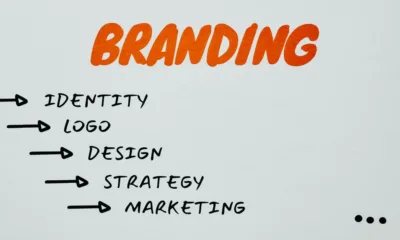

Brand Identity vs Brand Image vs Brand Reputation: Key Differences
Featured image — Source: Eva Bronzini / Pexels Ask ten marketers to explain the difference between brand identity vs brand...
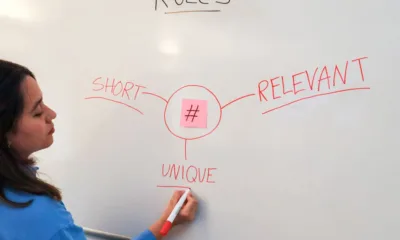

How to Build a Brand From Scratch: A Step-by-Step Guide
Featured image — A brand starts with strategy, not a logo. Source: Walls.io / Pexels Every business you admire started...


What Is Branding? A Complete Beginner’s Guide
Ask ten people what branding means and you’ll get ten different answers. Some say it’s your logo. Others point to...


Best Perfume Brands in India (2026): Top Luxury & Affordable Fragrances Ranked
Choosing from the best perfume brands in India has never been more exciting — or more confusing. Walk into any...