
Education
Gamification in Modern Education
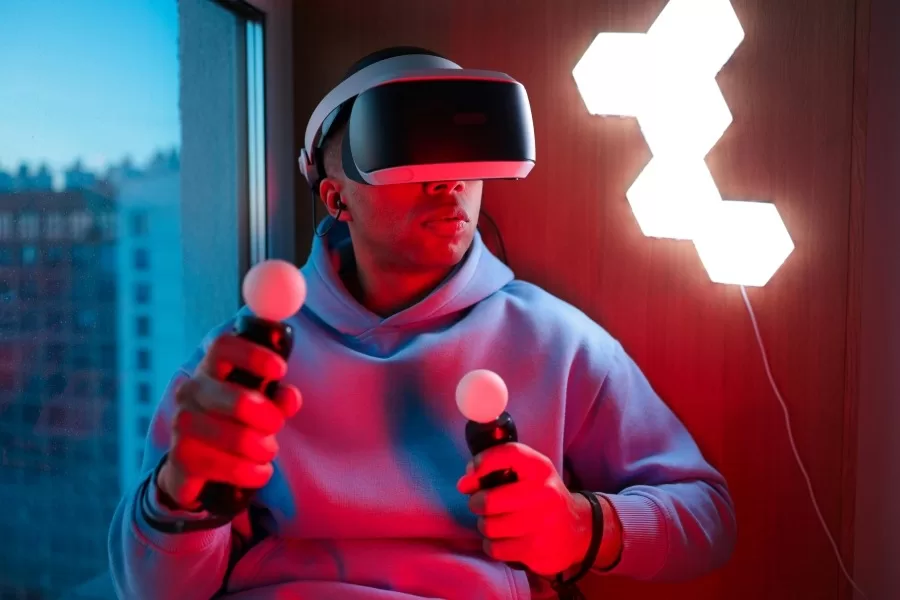
Let me just say this up front: I wasn’t the kid who looked forward to school. I did okay, but the daily routine of notes, lectures, and pop quizzes? Soul-crushing. What did light me up, though? Games. Board games, card games, video games — didn’t matter. If there were points to score or levels to beat, I was in.
Now imagine if those two worlds — learning and gaming — had collided earlier. I probably wouldn’t have faked the flu to skip math class. That’s the idea behind gamification in modern education. And honestly? It’s not just some buzzword educators are throwing around to sound cool. It’s actually shifting how classrooms work — and how students respond.
So, What’s Gamification Really About?
If you’re picturing students playing Mario in class, slow down. That’s not what gamification means.
It’s more like this: imagine your teacher gives you a “mission” instead of an assignment. You complete it, earn points, and maybe even unlock a badge. Maybe your group gets ranked on a leaderboard. It’s still learning — but the mechanics? They’re straight out of a game.
You’ve probably seen this in apps like Duolingo. Miss a day? Your streak resets. Hit your daily goal? Confetti rains down. It’s all psychology, really. You’re being nudged to keep going, to not break the chain. It works on adults too. I know folks who’ve kept language streaks alive for over a year purely because they didn’t want to lose their score. Wild, right?
Why It Actually Works (And Isn’t Just Flashy)
Let’s be real: kids today have attention spans that get fried by the second scroll on TikTok. So holding their focus in a classroom? Not easy. Gamification gives educators a fighting chance.
There’s something about earning rewards — even tiny ones — that keeps people engaged. And it’s not just because of dopamine (though that helps). It’s about structure. Goals feel manageable when you break them into steps. When students know what they need to do to level up or unlock the next activity, it gives them direction. They’re not wandering aimlessly through another bland worksheet.
More importantly, the feedback is immediate. Think about it: when you submit an assignment and wait a week to get your grade, the connection between effort and result gets diluted. In a gamified setup, you get instant confirmation that you did something right — or a hint that you need to try again. That loop keeps people in the zone.
This Isn’t Hypothetical — It’s Happening Right Now
There’s a school I heard about — not a fancy private one, just a regular public school in Delhi — that started using a platform called Classcraft. It turned the classroom into a kind of RPG, where kids picked characters, earned points for good behavior or completing work, and could “heal” teammates if they helped others out.
The teacher said even the quiet students started stepping up. Kids who used to avoid group projects were suddenly excited to “save the team” by doing their part. And here’s the kicker: grades improved. Not because students were suddenly geniuses, but because they cared. The classroom had energy.
And it’s not just India. In the US, some schools are using Minecraft Education Edition to teach coding and history. Students literally build ancient civilizations in-game. You want to teach about pyramids? Make them build one block by block. Way more memorable than just reading about it in a textbook.
But Let’s Not Pretend It’s All Perfect
Alright, pause — before we get carried away, let’s be honest. ] isn’t a silver bullet.
One issue? Leaderboards. They’re motivating for some students, sure. But for others? A constant reminder that they’re always behind. That can hurt more than it helps. I’ve seen kids completely disengage once they realize they’re at the bottom of the rankings.
Then there’s the danger of reward addiction. If students are doing the work just to earn points or badges, what happens when the rewards stop? Are they still motivated to learn, or are they just chasing pixels?
Also, designing a good gamified experience takes time and intention. It’s not just about sticking a scoreboard on top of a boring lesson. If the core content isn’t strong or relevant, no amount of glittery game elements is going to fix that.
The Role of Tech (Spoiler: It’s Not Going Anywhere)
One of the coolest shifts lately is how gamification is becoming smarter — literally. AI is stepping in to personalize the learning experience.
For instance, a platform might adjust the difficulty of questions based on how fast a student is answering. If they breeze through five in a row, the sixth one might be trickier. But if they’re struggling, the system dials it down. It’s like the app is tuning itself to the student’s ability in real time.
Also, VR and AR are sneaking into classrooms too. I saw a demo of a biology lesson where students explored a 3D human cell from the inside. They “walked” around it like a video game. It wasn’t just flashy — they actually remembered more of the lesson later.
And Adults? We’re Not Immune Either
Funny thing — gamification isn’t just for kids.
Companies are using it in employee training. You’ve probably seen it. Quizzes with scoreboards, training modules with progress bars, onboarding programs that feel more like missions than lectures.
A friend of mine joined a tech company where the cybersecurity training was styled like a game. You had to “defend” the office from simulated phishing attacks. It was cheesy, but also? People actually paid attention. They joked about it afterward. And yeah — they learned the rules better than in the usual boring slideshow.
So Should All Learning Be Gamified?
Not necessarily.
There’s still value in traditional teaching methods. Quiet reading. Deep thinking. Discussions without timers or points. Not everything needs to be a race or a mission.
But let’s also admit: school hasn’t always been designed to make students feel engaged. Sometimes it’s just survival. If gamification helps make the process a little more meaningful — or even just tolerable — then that’s a win.
You don’t need to turn the whole classroom into a game. Even small touches — earning stars for participation, unlocking secret questions after finishing a quiz, turning projects into team challenges — can make a difference.
Final Thoughts: Let Kids Play Their Way Into Learning
At the end of the day, learning doesn’t have to feel like punishment. It can be playful. It can have moments of joy. And when kids feel like their effort matters — not just in grades, but in a way that mirrors real progress — they show up differently.
Gamification isn’t about replacing education. It’s about reimagining it. Giving students more control. Making lessons stick. Making effort visible.
Because let’s face it — most of us are more likely to finish something when it feels like a quest instead of a chore.


Best Phones Under 20000 in India 2026: Top 7 Picks
Finding the best phones under 20000 in India has never been this rewarding. In 2026, this price band buys a...


Brand Loyalty: How Successful Brands Keep Customers Coming Back
Featured image — Source: Thirdman / Pexels It costs far more to win a new customer than to keep an...


Brand Awareness: Effective Strategies to Grow Your Business
Featured image — Source: Anurag Jamwal / Pexels Before anyone can buy from you, love you, or recommend you, they...


Brand Equity Explained: Meaning, Importance, and Examples
Featured image — Source: Ann H / Pexels Two bottles of fizzy brown cola sit side by side. One is...

Best Phones Software Updates in 2026: How Many Years of Support Every Brand Gives
When you buy a phone in 2026, the spec that quietly matters most isn’t the camera or the chip —...


Brand Positioning: Definition, Strategies, and Real-World Examples
Featured image — Source: Leeloo The First / Pexels Two coffee shops sit on the same street, sell a similar...

Brand Identity vs Brand Image vs Brand Reputation: Key Differences
Featured image — Source: Eva Bronzini / Pexels Ask ten marketers to explain the difference between brand identity vs brand...

How to Build a Brand From Scratch: A Step-by-Step Guide
Featured image — A brand starts with strategy, not a logo. Source: Walls.io / Pexels Every business you admire started...


What Is Branding? A Complete Beginner’s Guide
Ask ten people what branding means and you’ll get ten different answers. Some say it’s your logo. Others point to...


Best Perfume Brands in India (2026): Top Luxury & Affordable Fragrances Ranked
Choosing from the best perfume brands in India has never been more exciting — or more confusing. Walk into any...