Technology
Micro-Certifications and Blockchain-Based Credentials Might Be the Future
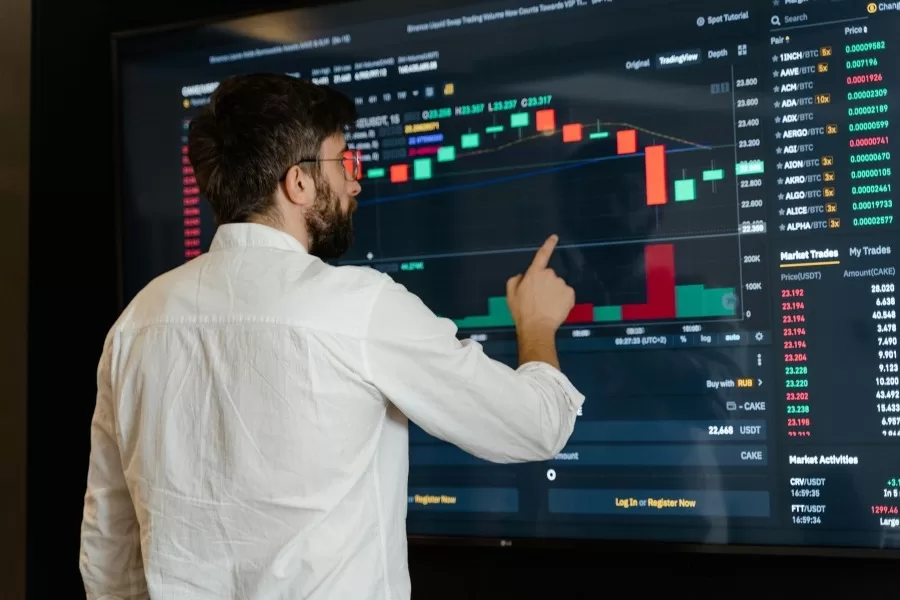
I was chatting with a friend over coffee recently—he’s in hiring at a fast-growing fintech company—and he told me something that stuck:
“We’ve had candidates with Ivy League degrees bomb our technical interviews, but someone with three obscure certifications crushed it.”
That’s when it really hit me: credentials are changing. Not just what they are, but how they’re earned, who respects them, and where they live.
We’re entering this weird but exciting moment where micro-certifications and blockchain-based credentials might matter more than the name on your diploma. And honestly, I kind of love it.
Micro-Certifications: Small but Mighty
Let’s break it down. A micro-certification is basically proof that you’ve picked up a specific skill or chunk of knowledge—without enrolling in a four-year program or going into debt.
Think: learning SQL in a two-week online bootcamp. Or a crash course in ethical hacking. Even a weekend workshop on UX design principles.
You complete the course, pass some kind of assessment, and get a credential—usually a digital badge. That’s it. Fast, focused, and often cheap (or free). And for a lot of people, that’s more realistic than chasing another degree.
These “bite-sized” learning experiences are catching on in big ways, especially in tech and digital fields. But even outside of that—healthcare, education, marketing—they’re being taken seriously.
Some folks stack them like Legos. A project management badge here, a no-code automation cert there. Over time, it builds a unique skills portfolio—more tailored than any single degree ever could be.
What Changed?
There’s this old idea that your degree defines your career. You study one thing, then go do it for the next 40 years. But that formula’s… kind of broken now?
Industries are evolving so fast, even traditional education can’t keep up. By the time you graduate, some of the stuff you studied might already be outdated. Meanwhile, real-world jobs want people who can hit the ground running with specific, up-to-date skills.
That’s why micro-certifications are having a moment. They give you a fast track to re-skill or upskill, without starting from scratch. And in a weird way, they democratize opportunity. You don’t need a fancy pedigree—just time, effort, and maybe a strong Wi-Fi connection.
But Can You Actually Prove You Did It?
Here’s the problem: anyone can say they earned a micro-certification. Pop it on LinkedIn, add it to your resume, and hope no one calls bluff.
That’s where blockchain-based credentials come in—and yes, we’re about to talk crypto, but don’t run just yet.
Think of blockchain as a secure, decentralized record book. Once a credential is logged there, it’s locked in. Can’t be faked. Can’t be altered. It’s like having an indestructible digital diploma—but for everything you’ve learned.
Let’s say you finish a cybersecurity certification through an online platform. If that cert is stored on a blockchain, anyone can verify it instantly. No emails to the course provider. No sketchy screenshots. Just clean, confirmed data.
No More Digging Through Old Email Attachments
This part actually excites me on a personal level. I can’t tell you how many times I’ve had to hunt down an old certificate or re-request a copy from a company that no longer exists. Total nightmare.
With blockchain, your credentials live in a verified, portable wallet. You can share them with potential employers, collaborators, even clients—without jumping through hoops.
Some platforms are already doing this. MIT’s been experimenting with blockchain diplomas. IBM uses it for workforce credentials. And startups are building entire ecosystems around verified, shareable proof of learning.
Are Resumes Dead?
Maybe not dead, but they’re definitely evolving.
Imagine a recruiter looking at your blockchain credential wallet instead of just scanning your resume. They’d see not just what you studied, but when, with who, and how you performed. That’s a whole different level of transparency.
No more padding your resume with vague claims. No more “Proficient in Excel” unless you’ve actually got a credential to back it up.
And if you’re a freelancer? This is gold. Clients can check your verified certifications before hiring. Trust builds faster. Projects move smoother.
What About Privacy?
Okay, so I know what you’re thinking: “Wait, do I really want all my learning history public forever?”
Fair concern. Not all blockchain implementations are public. Some use private chains or encryption so only approved parties can access the data. It’s still early days, and privacy frameworks are catching up. But it’s a valid thing to watch.
Real Talk: It’s Not All Perfect
Let’s be honest here—not all micro-certifications are equal. Some are rigorous and meaningful. Others feel like they were made in Canva and handed out like candy.
The blockchain part doesn’t fix that. It just confirms you did something—it doesn’t judge whether that something was worth doing.
So we still need quality standards. We need platforms to vet courses. We need learners to do their homework before signing up for a cert just because it sounds impressive.
And the tech itself? Still growing. Some platforms don’t talk to each other. Interoperability’s a bit of a mess. You might earn a badge on one platform that another employer has never heard of.
So… Where’s All This Headed?
Honestly? I think we’re heading toward a world where skills are the new currency—and credentials are your receipts.
Instead of a static degree you earned 15 years ago, you’ll have a living portfolio. A verified timeline of everything you’ve learned, sharpened, or even just explored.
That feels a lot more honest to me. Because let’s face it: we all grow in different ways. Some of my best skills came from side projects, YouTube tutorials, and weekend workshops—not from my formal education.
And if we can recognize that in a verifiable, transparent way? That’s a win for everyone.
Final Thought: Credentials with Character
I think what draws me to this whole concept isn’t just the tech. It’s the humanity underneath it.
People are more than their degrees. We learn in bits and bursts—through life, work, curiosity. Micro-certifications respect that. And blockchain? It helps us prove it.
If we get this right, we could open doors for millions of people who’ve been overlooked just because they didn’t take the traditional path.
That’s not just smart—it’s fair.


Best Phones Under 20000 in India 2026: Top 7 Picks
Finding the best phones under 20000 in India has never been this rewarding. In 2026, this price band buys a...


Brand Loyalty: How Successful Brands Keep Customers Coming Back
Featured image — Source: Thirdman / Pexels It costs far more to win a new customer than to keep an...


Brand Awareness: Effective Strategies to Grow Your Business
Featured image — Source: Anurag Jamwal / Pexels Before anyone can buy from you, love you, or recommend you, they...

Brand Equity Explained: Meaning, Importance, and Examples
Featured image — Source: Ann H / Pexels Two bottles of fizzy brown cola sit side by side. One is...

Best Phones Software Updates in 2026: How Many Years of Support Every Brand Gives
When you buy a phone in 2026, the spec that quietly matters most isn’t the camera or the chip —...

Brand Positioning: Definition, Strategies, and Real-World Examples
Featured image — Source: Leeloo The First / Pexels Two coffee shops sit on the same street, sell a similar...

Brand Identity vs Brand Image vs Brand Reputation: Key Differences
Featured image — Source: Eva Bronzini / Pexels Ask ten marketers to explain the difference between brand identity vs brand...

How to Build a Brand From Scratch: A Step-by-Step Guide
Featured image — A brand starts with strategy, not a logo. Source: Walls.io / Pexels Every business you admire started...

What Is Branding? A Complete Beginner’s Guide
Ask ten people what branding means and you’ll get ten different answers. Some say it’s your logo. Others point to...


Best Perfume Brands in India (2026): Top Luxury & Affordable Fragrances Ranked
Choosing from the best perfume brands in India has never been more exciting — or more confusing. Walk into any...